Diwali snacks at homeદિવાળીનો નાસ્તો
Making the Diwali snacks is not like cooking a dish; it is a short project. Sunshine, oil, counter space, tins and hands are the five things that have to line up, and once they do the work gets much easier. What follows is less about which snacks to make than about how to actually get a kitchen through them.
Setting up the frying session
You do not have to fry everything on one day, but whatever you fry in a session is best finished in one go, so the oil is heated once and the kitchen cleaned once. Order matters. Fry the plain, pale things first, the heavily spiced ones next, and keep separate oil for anything sweet, or the colour and the flavour will carry across. To check the oil, drop in a small piece of dough: it should rise steadily, not sit at the bottom and not brown instantly. Fry in small batches rather than crowding the pan, which drops the temperature. Keep a second burner free for tea, because you will want it all day.
The things that have to be sun dried
Mathiya and chorafali are rolled out and dried in the sun before they are ever fried, and that requirement sets the whole calendar: you need two or three consecutive days of clear weather. Spread a clean cloth over a cot or on the terrace and lay them out in a single layer, never overlapping. Turn them partway through so both sides dry evenly. Cover them with netting or a thin cloth against dust and birds, but do not seal them in and stop the air moving. Only bring them in when they are completely dry. Any moisture left behind will soften them in the tin and they will not puff properly when fried.
Tins, and what keeps how long
Two rules govern storage. First, never close a tin until the contents are completely cold; residual warmth becomes steam and softens the whole batch overnight. Second, keep sweet and savoury in separate tins, because spice smells transfer readily into sweets. On keeping times, dry snacks and sukhdi last longest, fried mathiya come next, mohanthal holds well once set and cut in a tray, and mawa filled ghughra have the shortest life of the lot. If something does go soft, move it around a pan over a low flame for a few minutes, or spread it in a low oven, and the crispness usually returns.
Sharing out the work
This is not a one person job and does not need to be. With two or three people, split the roles: one rolling, one frying, one draining and filling tins. Working alone, spread one item across each of three or four days rather than attempting everything in one marathon, which reduces both the exhaustion and the mistakes. In many neighbourhoods families each make one item and swap plates, so everyone ends up with a full spread for a fraction of the effort. And buy whatever nobody in the house minds buying; there is no requirement that all of it be homemade.
Oil, space and the clean up
Before you start, set out three things: a slotted spoon, a rack or paper lined tray for draining, and a large empty vessel for the finished snacks. Keep the area around the pan clear and do not stack tins beside it. When you finish, let the oil cool to just warm, strain it, and keep it in a separate container; use it up in everyday cooking such as tempering vegetables rather than frying with it again and again, since both the colour and the smell change. Spread old newspaper or cloth on the floor to save it from grease, and keep windows open. Broken pieces are not waste; crush them, add some seasoning and fold them into chevdo.
Questions people ask
What if I have nowhere to sun dry mathiya?
Many homes have no suitable space, and buying mathiya already rolled and drying done, then simply frying them at home, is now very common. If you want to do it yourself, lay them out in a single layer in an airy spot near a window with a fan running, but expect it to take longer and to be less reliable than a few days of proper sunshine.
Can the frying oil be reused?
Once, sensibly. When you have finished, let the oil cool until it is just warm, strain it through a sieve, pour it into a separate container and keep it somewhere cool and dark. Use it up in ordinary cooking, for tempering vegetables and the like. Do not keep deep frying in the same oil repeatedly, because both its colour and its smell deteriorate noticeably.
How much should I make for how many people?
Exact quantities are hard to give, but there is a reliable method: think back to what was left over last year and what ran out, adjust from there, and write the amounts down for next time. Making four or five items in modest quantities beats making one in a huge batch. An empty tin is far less of a problem than a full one nobody is eating by December.
Two weeks before Diwali, Gujarati kitchens start filling with snacks. Tins are packed, plates go to the neighbours, and the house smells of frying for days. Here is the full list and how families plan it.
The fried things
Mathiya and chorafali are the signature Diwali snacks. Both are made from urad flour and must be dried in the sun, so work starts about ten days ahead. Fafda, sev and gathiya are made alongside them.
The sweets
Ghughra (filled with mawa, coconut and dry fruit), mohanthal, sukhdi and magas are the four most commonly made at home. Sukhdi is the easiest and keeps the longest.
The dry snacks
Chevdo and shakkarpara keep in a tin for weeks, and they are the first thing brought out when guests arrive.
New Year morning
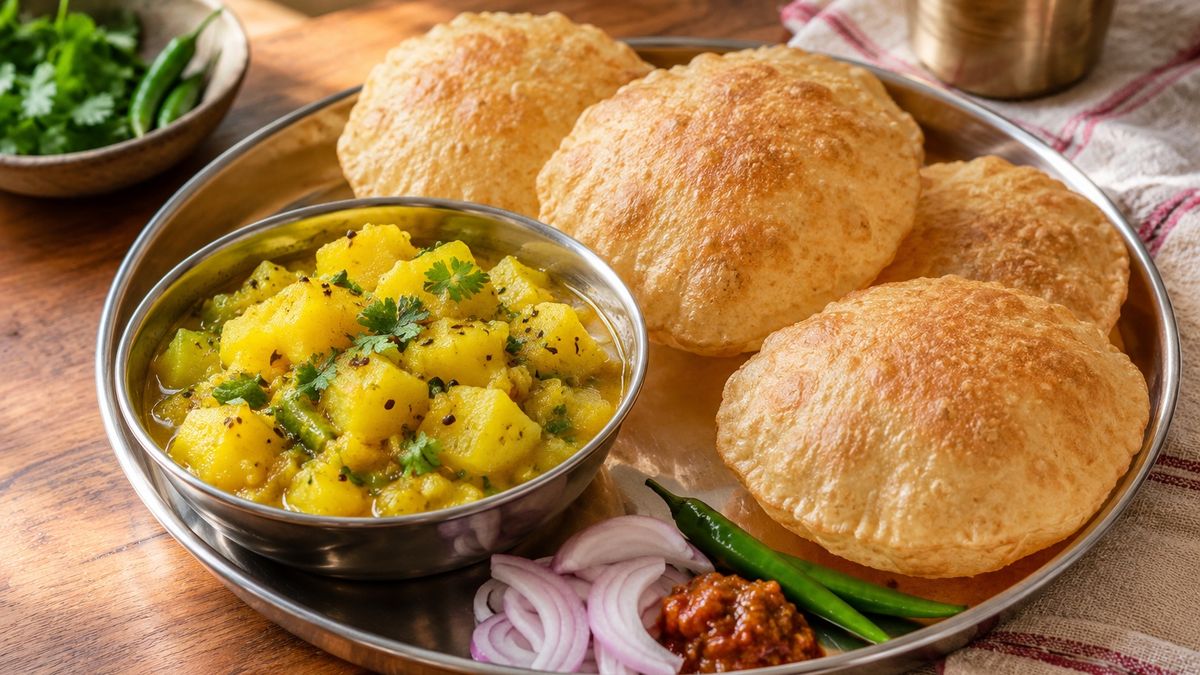
On Bestu Varas, most homes cook potato curry with puri, served with sukhdi and curd.
How to plan it
- 10 days before: roll and sun-dry the mathiya and chorafali
- 7 days before: sukhdi, magas and chevdo, which keep longest
- 3 days before: ghughra and mohanthal
- 1 day before: finish the frying and fill the tins
- New Year morning: potato curry and puri