South Indian vegetarian recipesદક્ષિણ ભારતીય વાનગીઓ
South Indian breakfast has become ordinary in Gujarat. Dosa, idli and upma appear in many homes once or twice a week. These recipes are written for a home kitchen, with the batter, the fermentation and the pan explained rather than assumed.
Fermentation is the whole thing
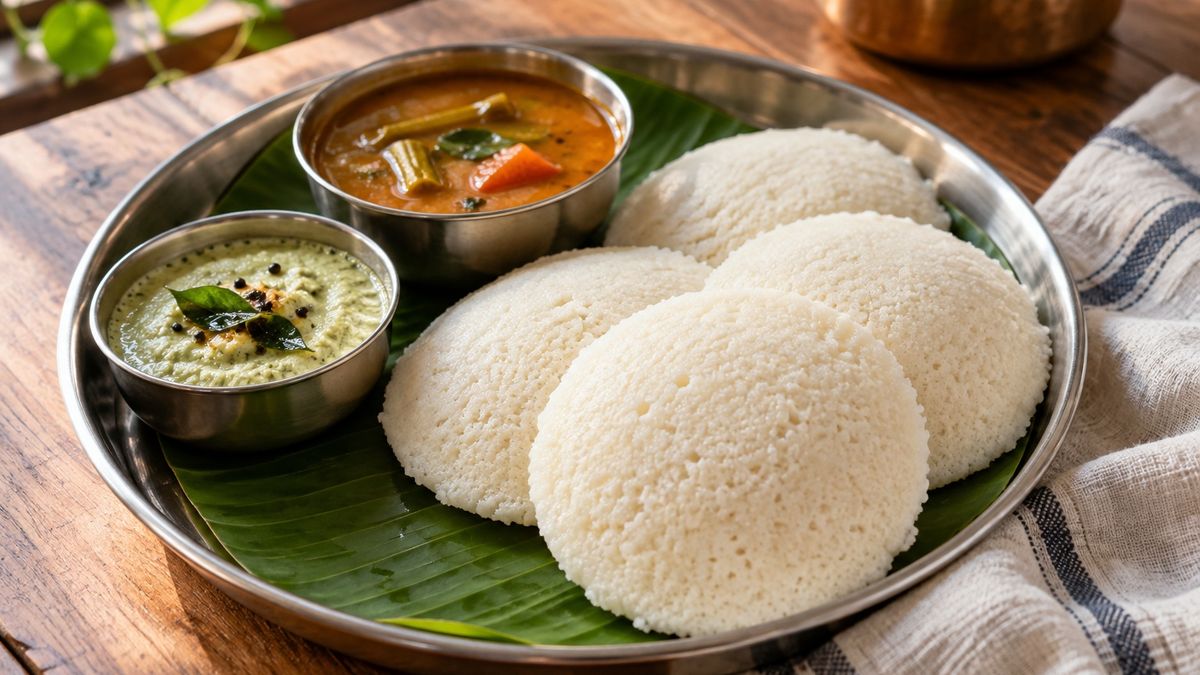
Idli and dosa succeed or fail on the batter, not the spices. Soak rice and urad dal separately, grind the dal fine and the rice slightly coarse, and mix them together by hand. In a Gujarati winter the batter ferments slowly: keep it in an oven with the light on, or anywhere warm. It is ready when it has roughly doubled and the surface is covered in small bubbles.
Three dishes from one batter
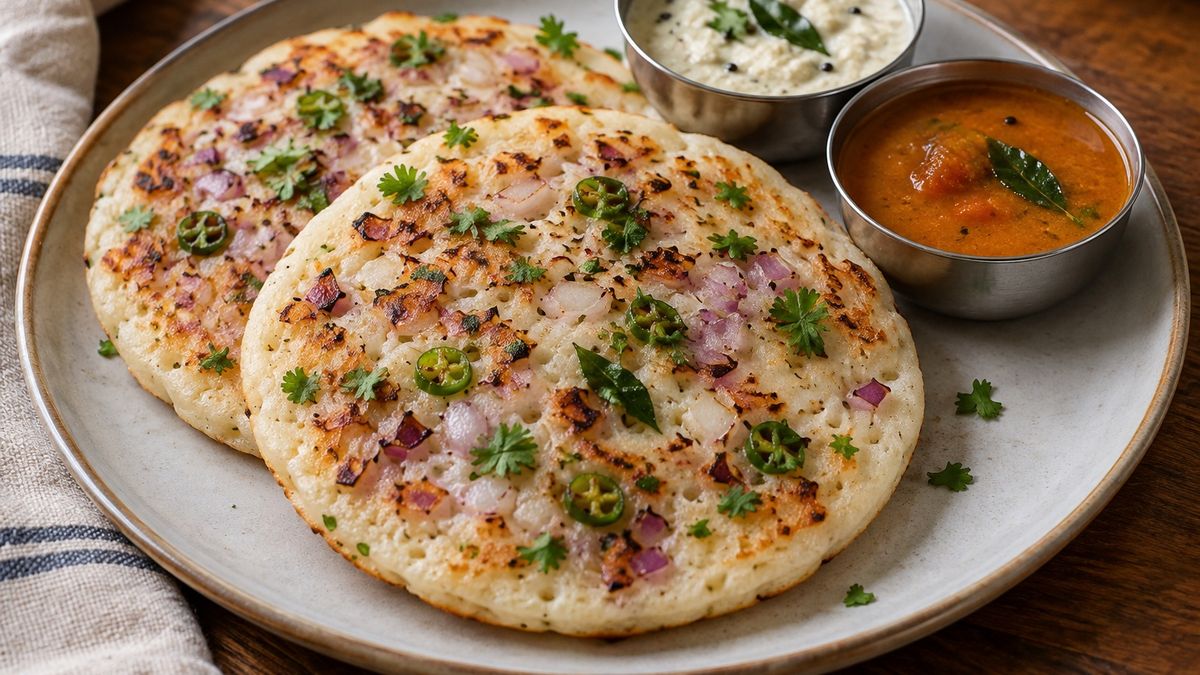
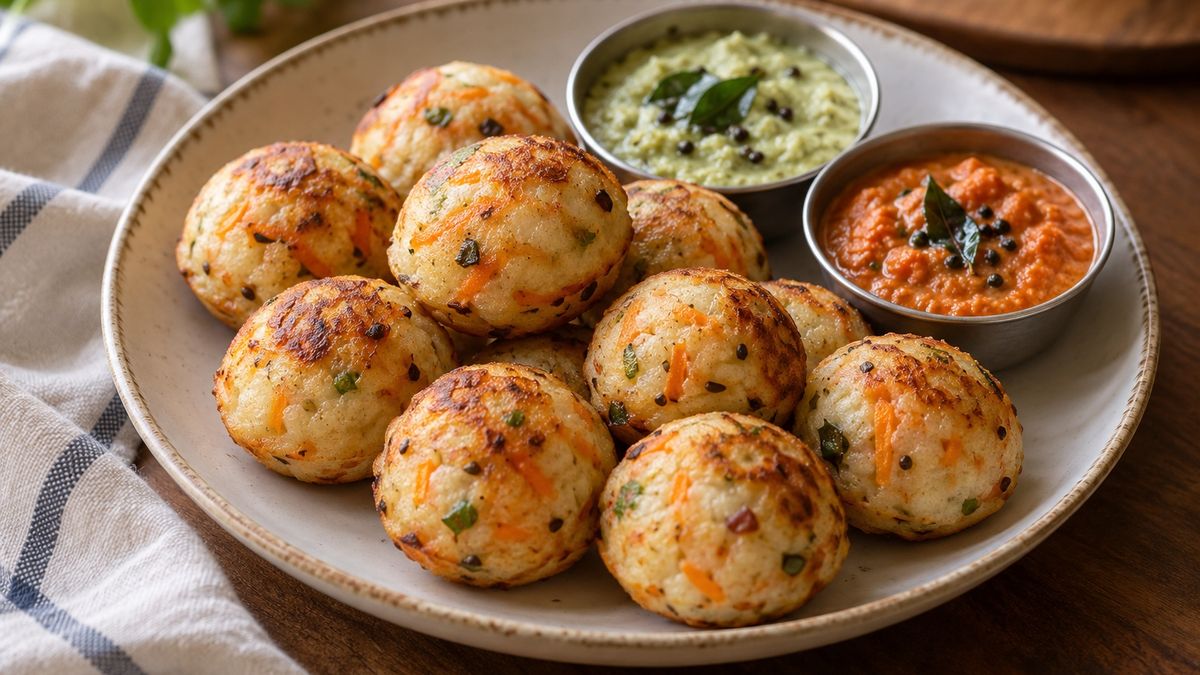
A single batch of batter lasts three days and gives you something different each day. Day one, idli, while the batter is fresh and least sour — that is when they come out softest. Day two, dosa, because slightly sour batter crisps better. Day three, uttapam or appe, where the sourness disappears under the toppings. Understand that sequence and you will never throw batter away.
About sambar and chutney
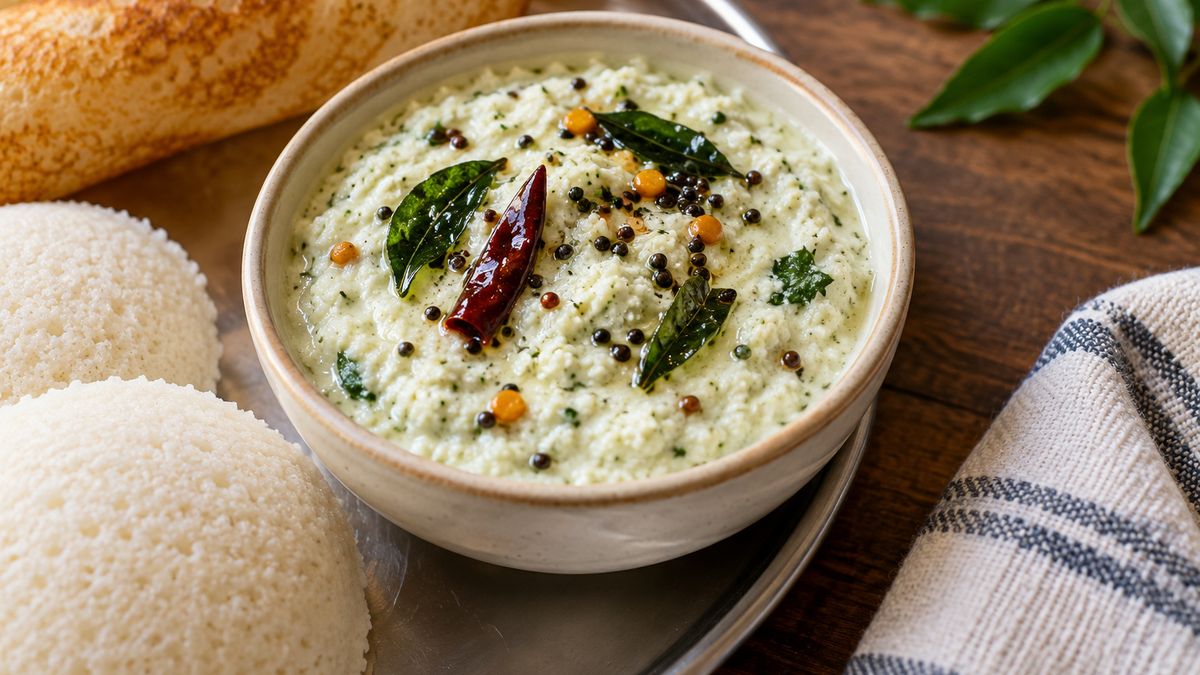
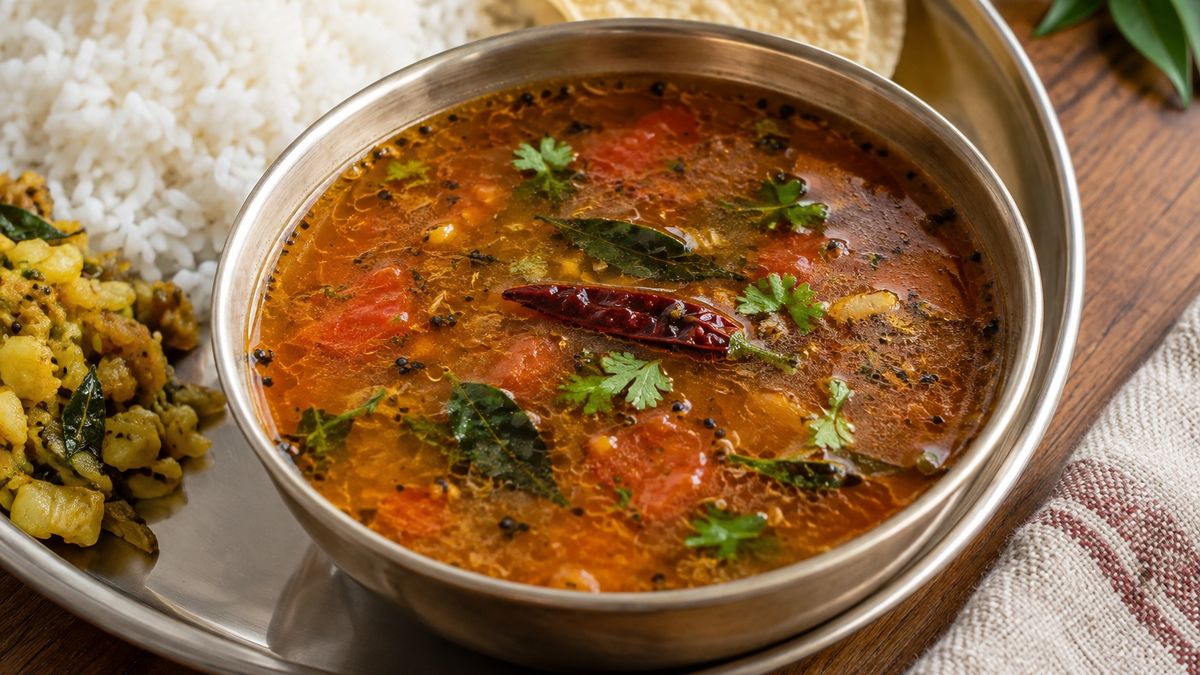
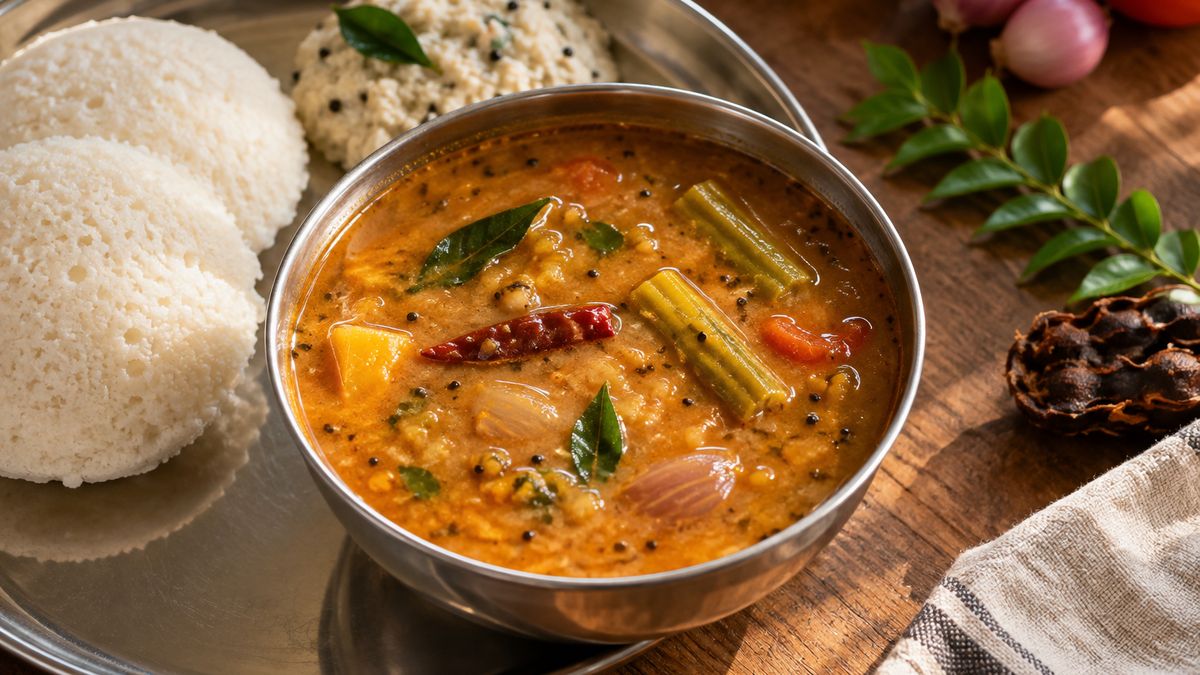
Many Gujarati homes add a little jaggery to sambar, and there is nothing wrong with that. Add the tamarind at the end: early tamarind stops the vegetables softening. Coconut chutney is good only on the day it is made and turns sour within two days in the fridge, so make small quantities.
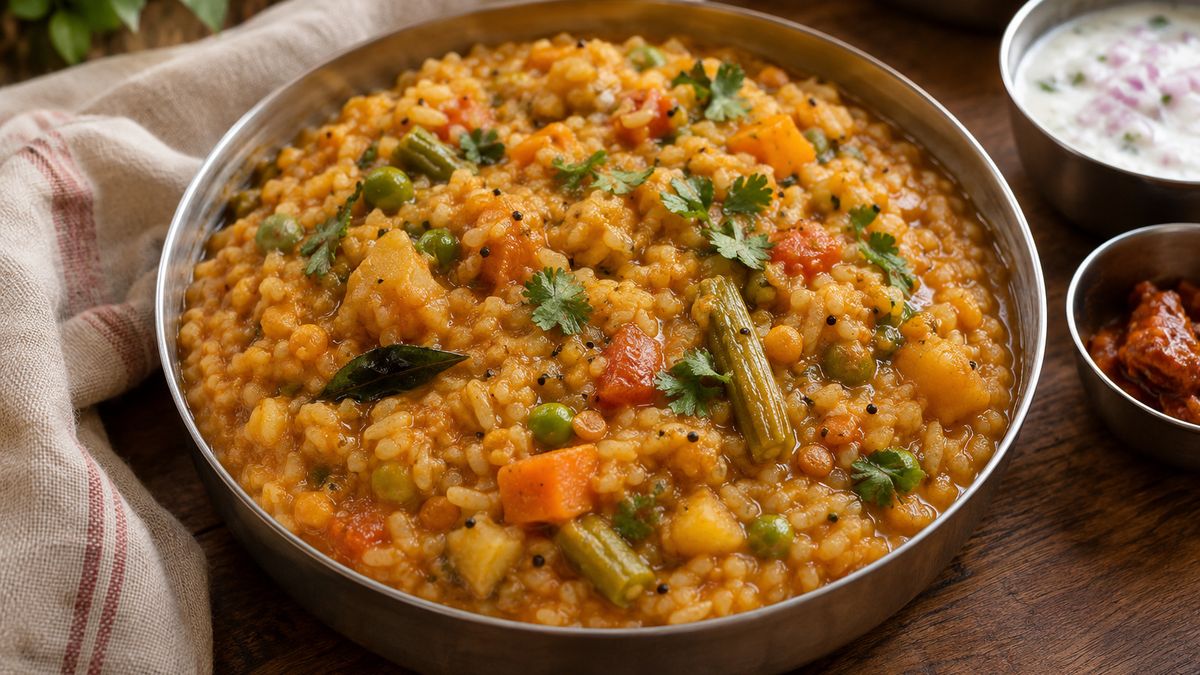
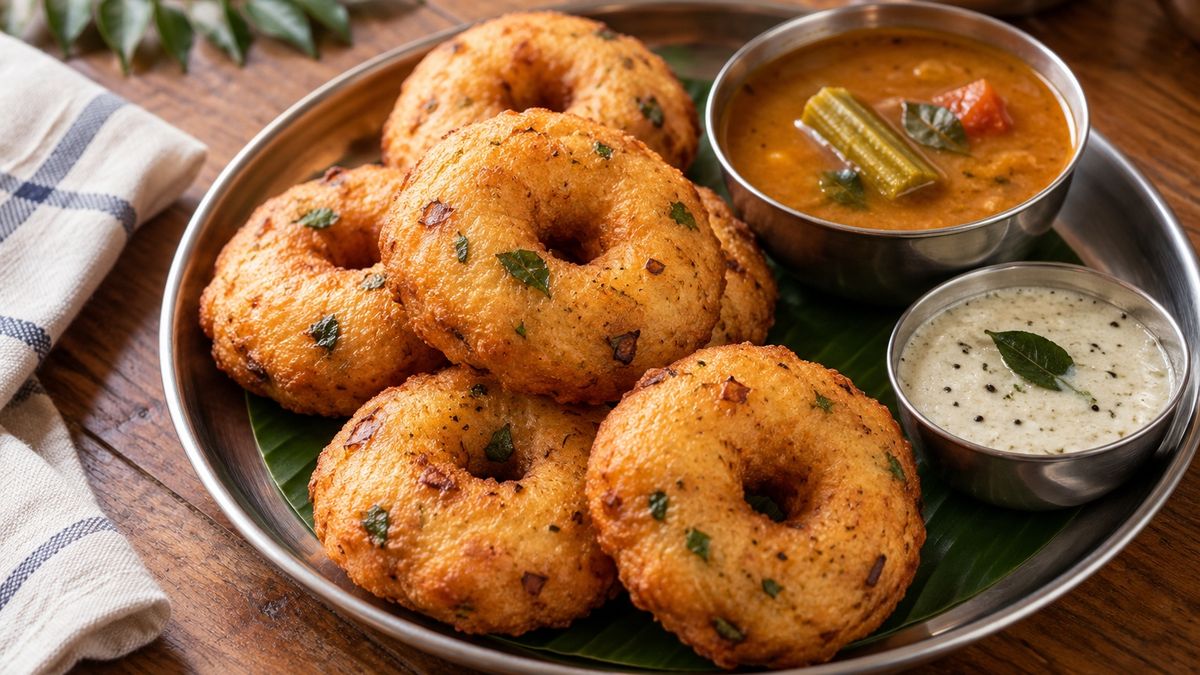
Idli, dosa, sambar and rasam. South Indian cooking leans on fermentation and lighter tempering, and all of it here is vegetarian.