Punjabi vegetarian recipesપંજાબી વાનગીઓ
Punjabi food is no longer foreign in a Gujarati kitchen. It appears when guests come, on birthdays, or on a Sunday when someone wants a change. These recipes are written for home cooking rather than as imitations of restaurant food.
What actually separates Gujarati and Punjabi cooking
Gujarati sabzi is built around a balance of sweet and sour: jaggery, lemon, tamarind. A Punjabi gravy starts somewhere else entirely — onion, tomato, ginger and garlic, cooked slowly with curd or cream until the oil separates. That patience is the whole technique. Rush the masala and the dish tastes raw and faintly bitter, no matter what else you do to it afterwards.
Cooking it at home rather than copying a restaurant
Restaurant gravies lean on cream, cashew paste and butter in quantities nobody wants to eat daily. At home, use curd or a smaller amount of malai, and keep cashew paste for occasions. Crush kasuri methi between your palms at the end: that single step changes the taste of a Punjabi sabzi more than any other, and its absence is what people notice without being able to name.
A note about paneer
Shop paneer is often firm. Soak it in warm water for ten minutes before use and it softens considerably. Add it to a gravy at the end and simmer no more than two or three minutes, or it turns rubbery. If you make your own, a litre of milk yields roughly 200 grams.
Punjabi cooking means butter, ghee, paneer and dal simmered slowly. Everything below is vegetarian and works in an ordinary Indian home kitchen.
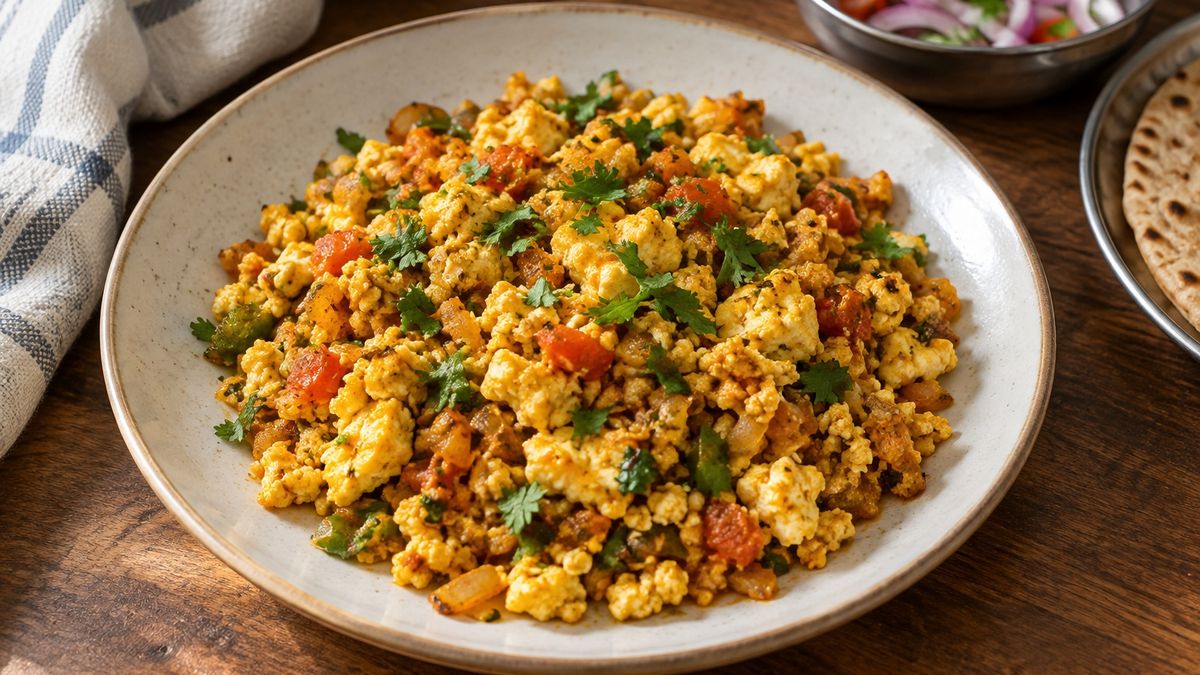 Paneer Bhurjiપનીર ભુર્જી
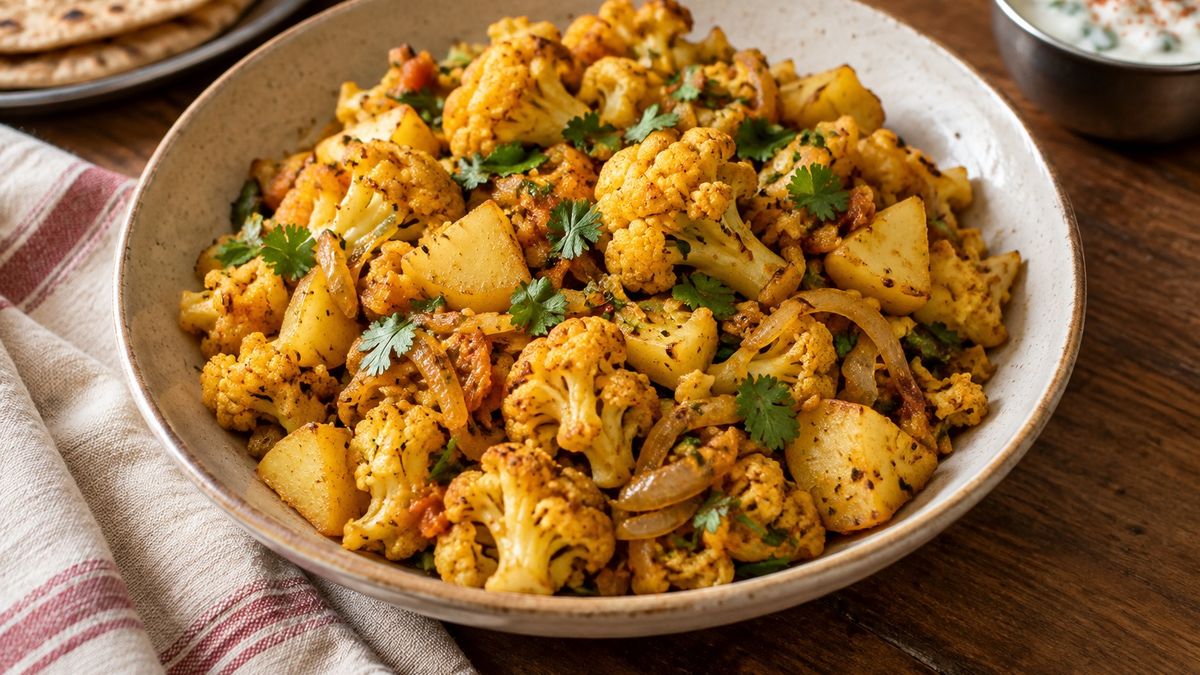 Aloo Gobiઆલુ ગોબી
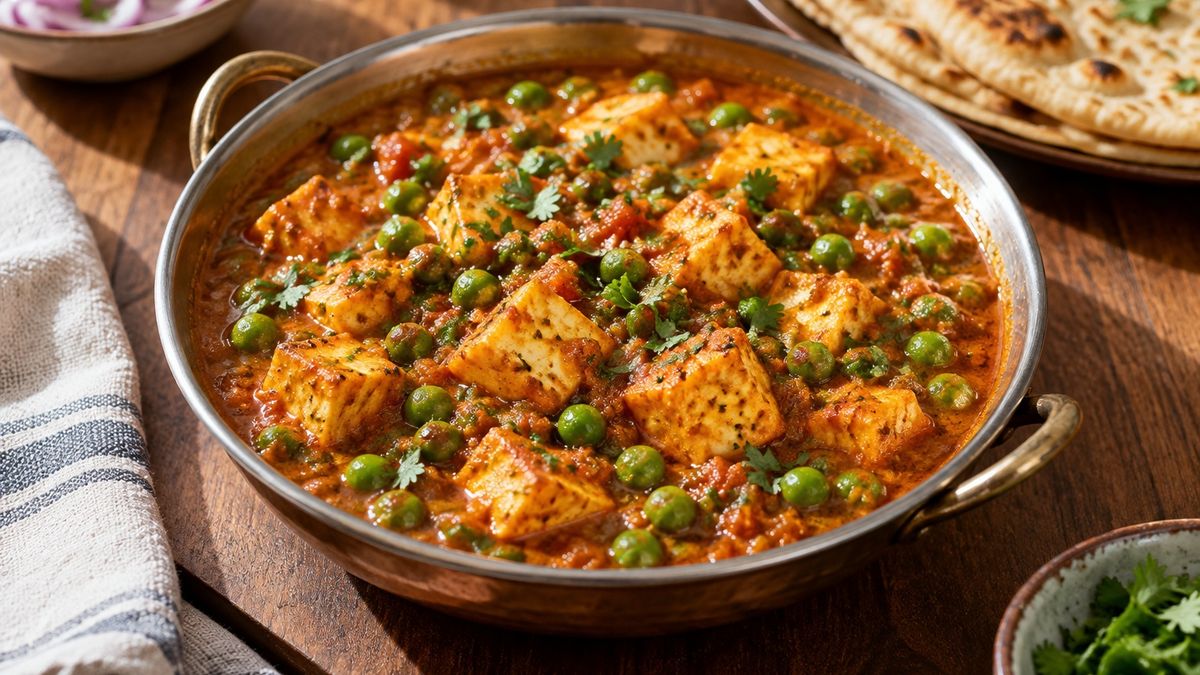 Matar Paneerમટર પનીર
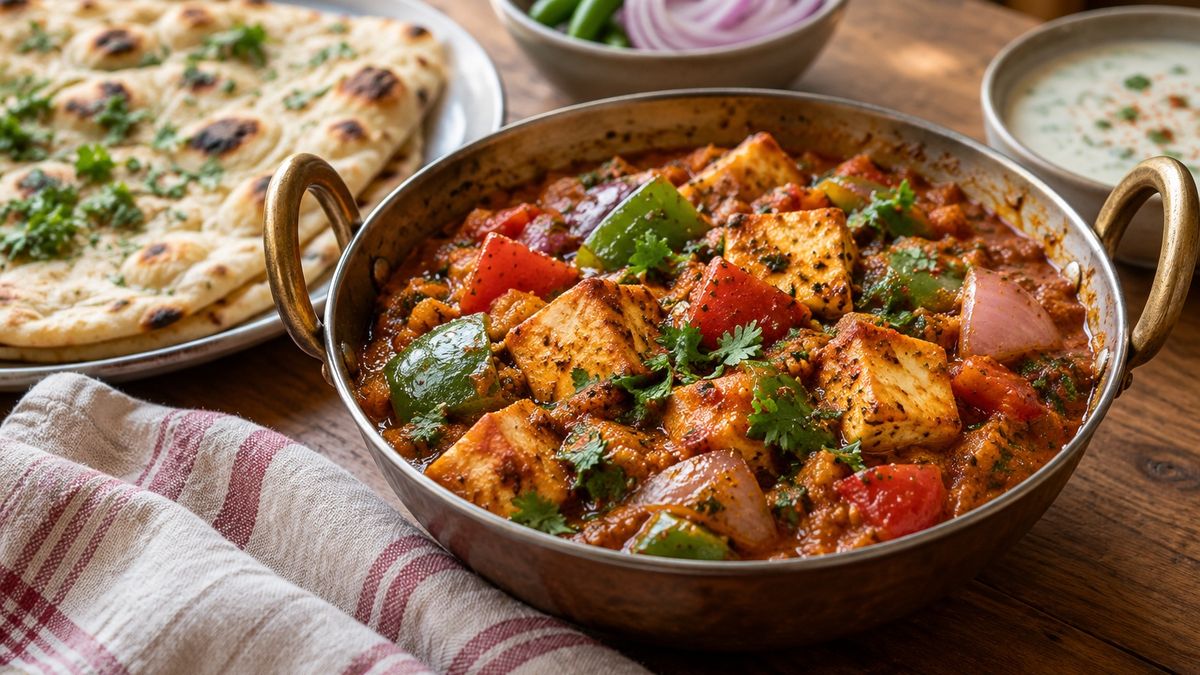 Kadhai Paneerકડાઈ પનીર
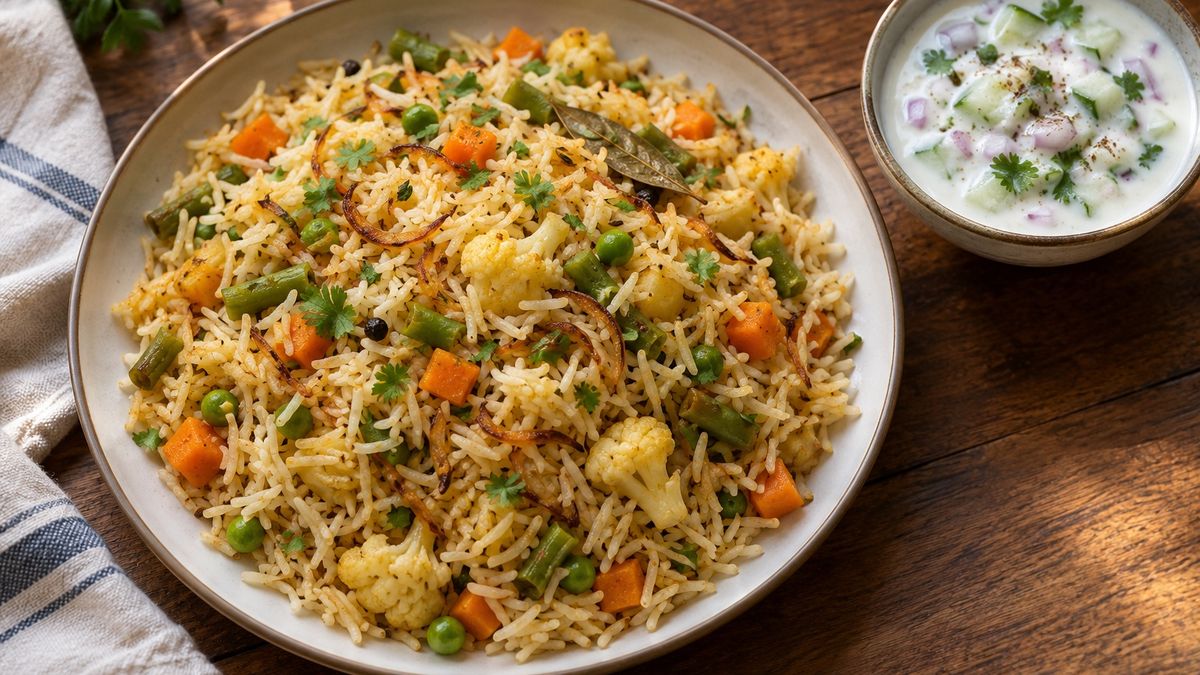 Veg Pulao & Raitaવેજ પુલાવ અને રાયતું
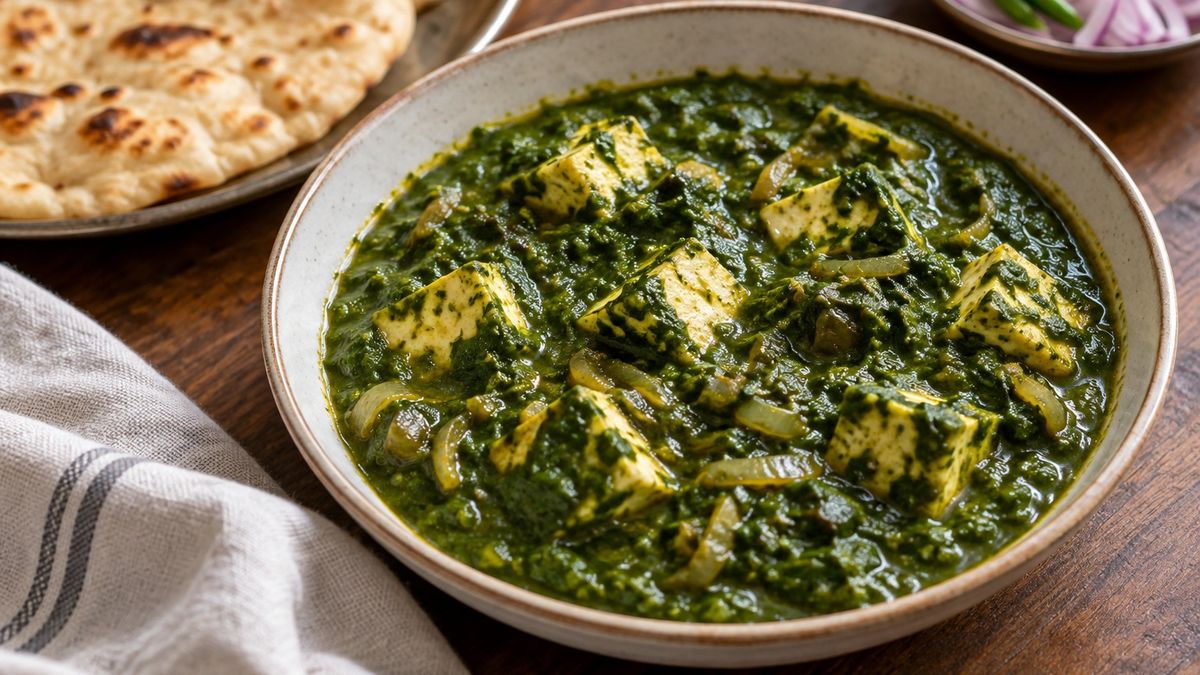 Palak Paneerપાલક પનીર
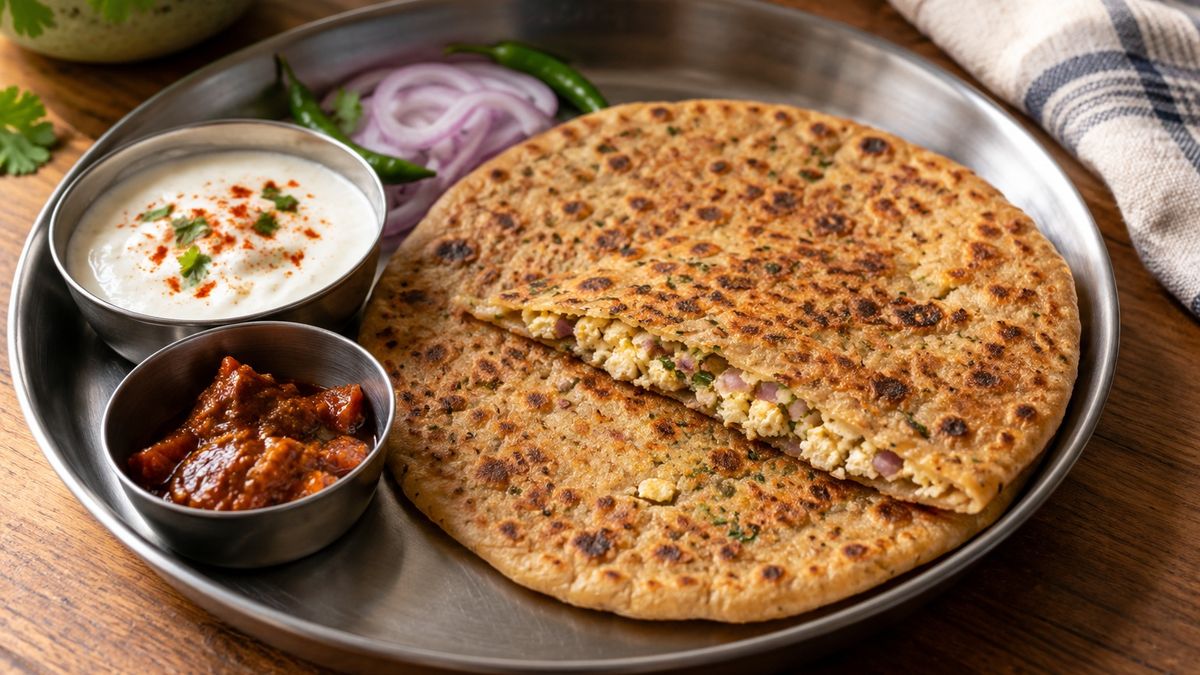 Paneer Parathaપનીર પરાઠા
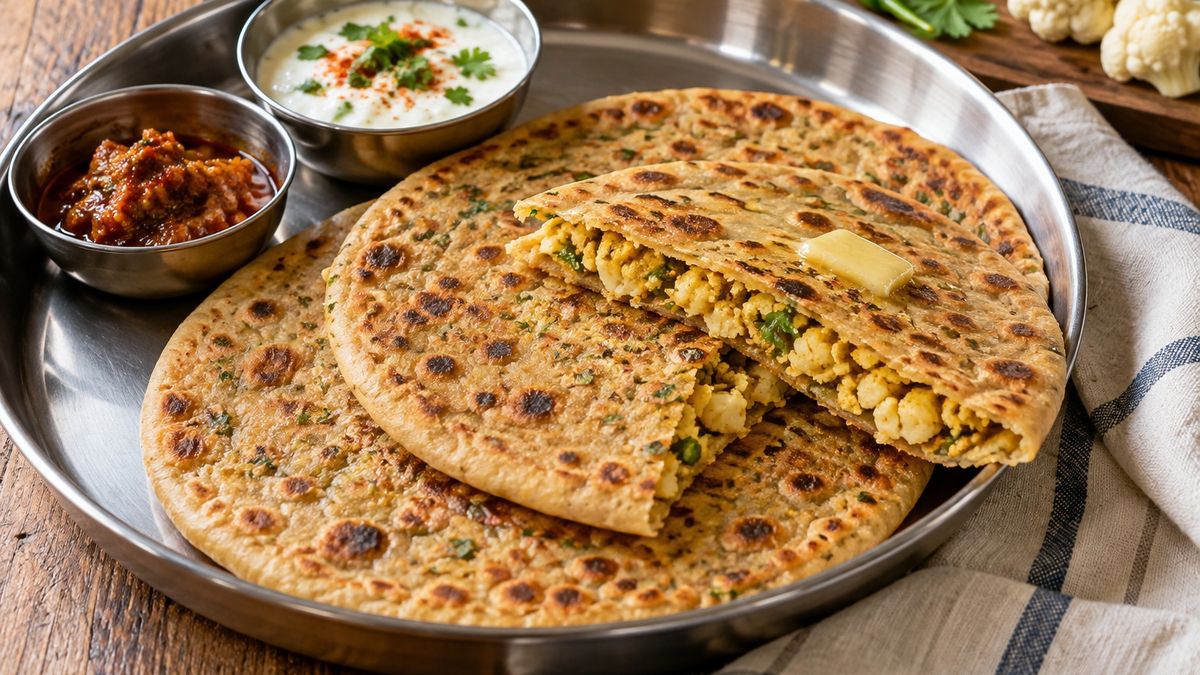 Gobi Parathaગોબી પરાઠા
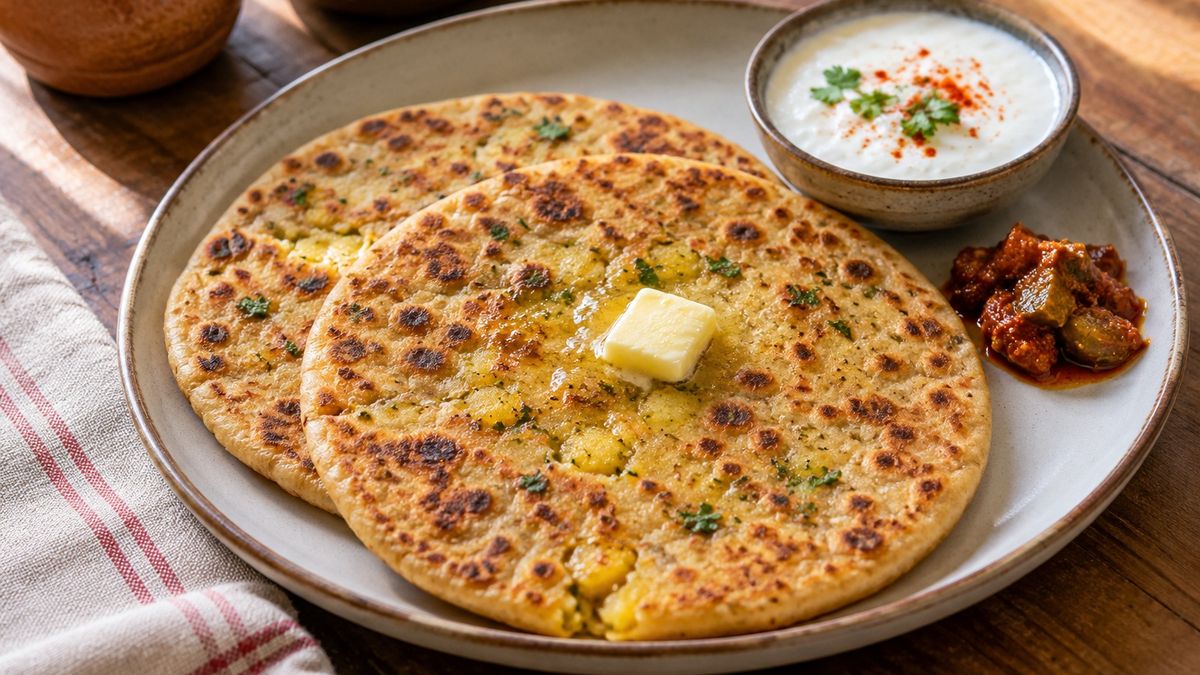 Aloo Parathaઆલુ પરાઠા
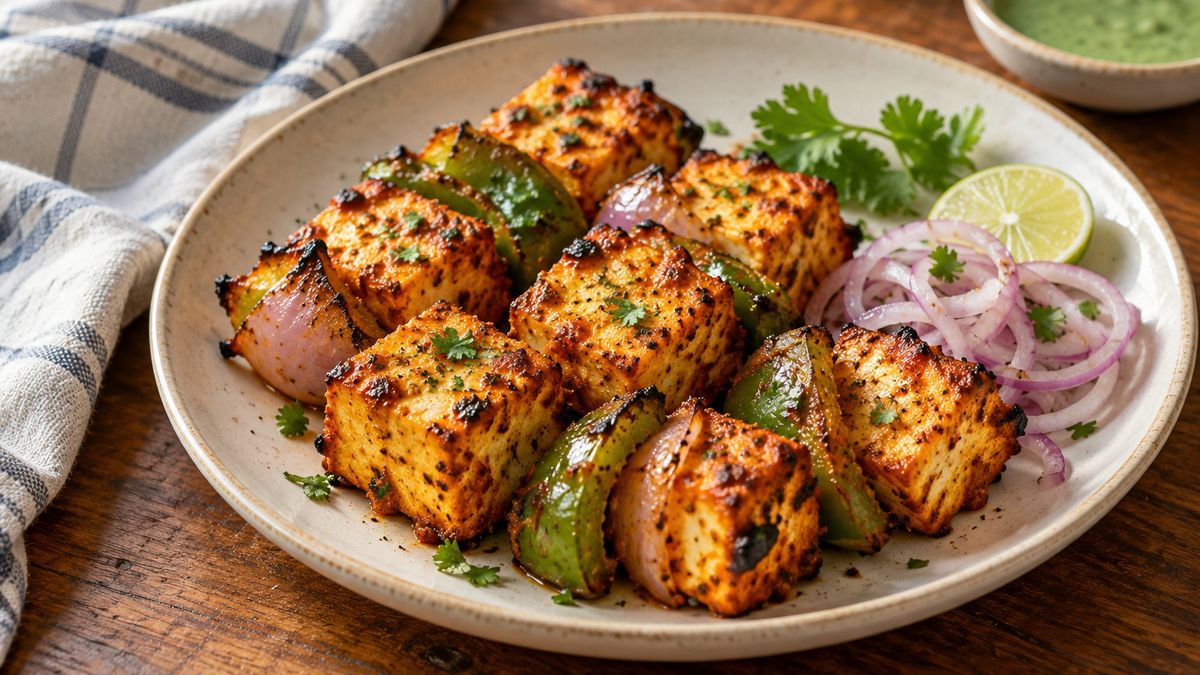 Paneer Tikkaપનીર ટિક્કા
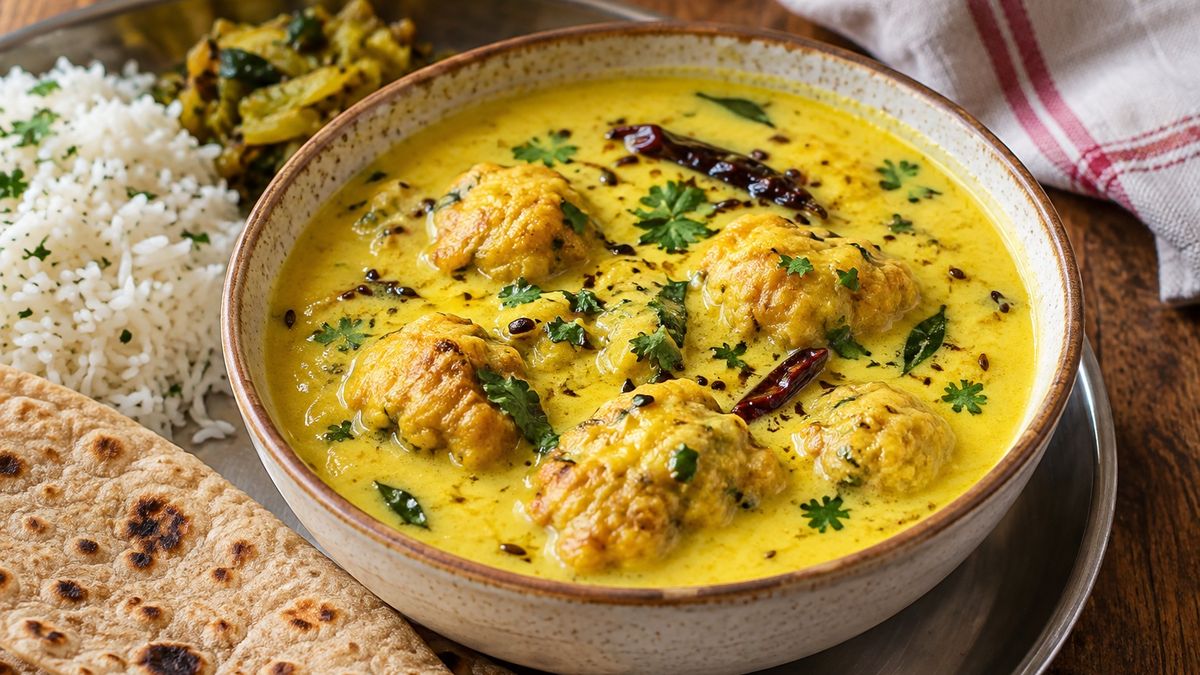 Punjabi Kadhi Pakoraપંજાબી કઢી પકોડા
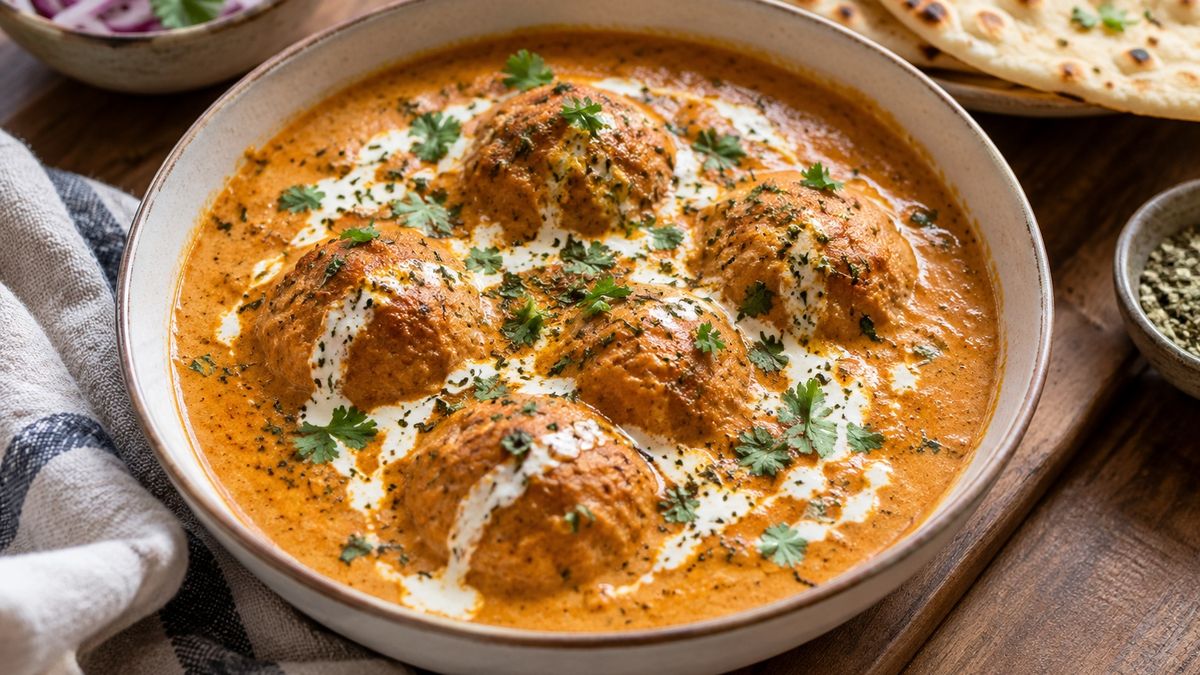 Malai Koftaમલાઈ કોફ્તા
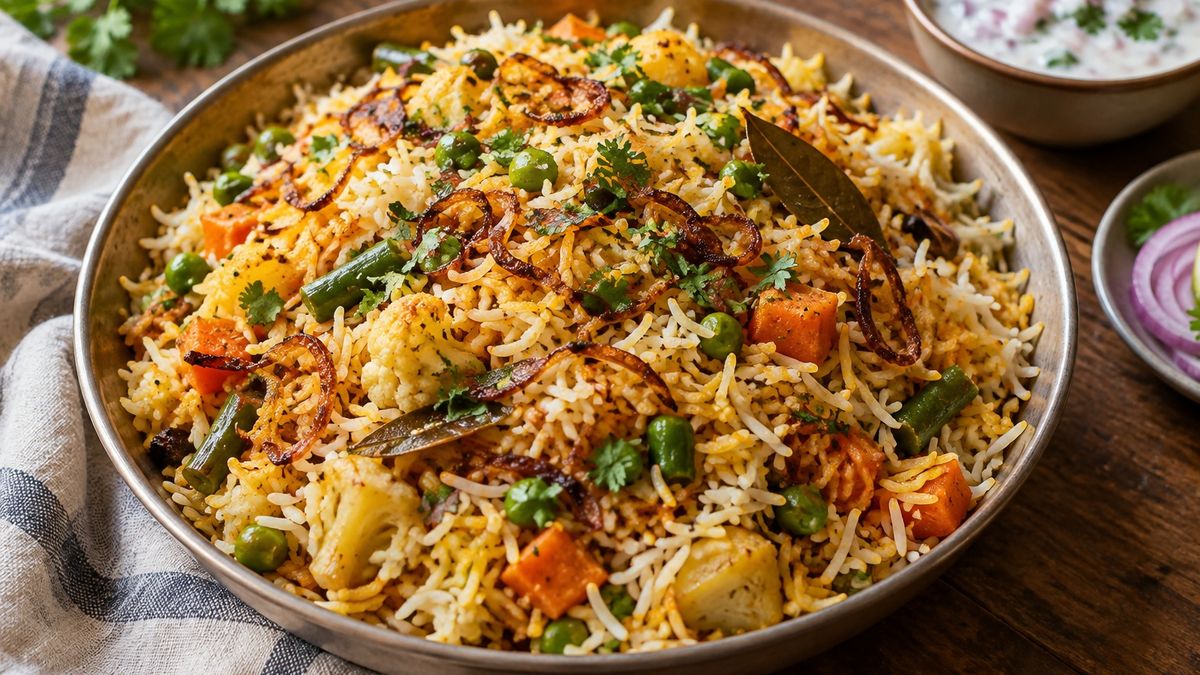 Veg Biryaniવેજ બિરયાની
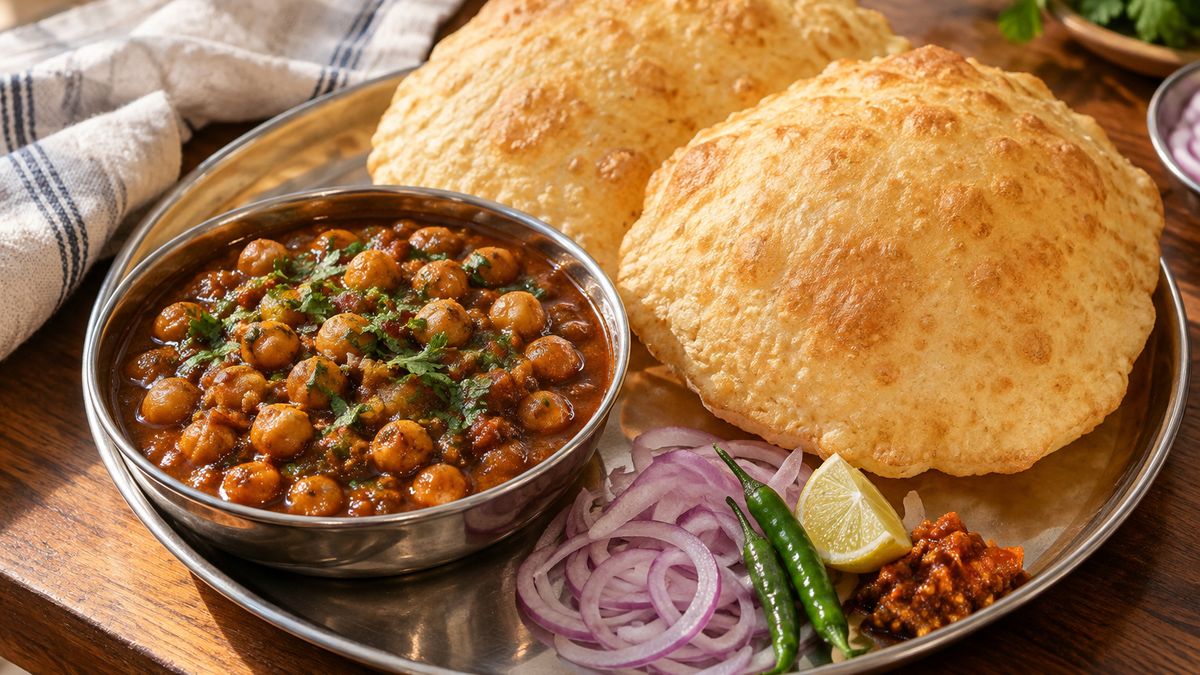 Chole Bhatureછોલે ભટૂરે
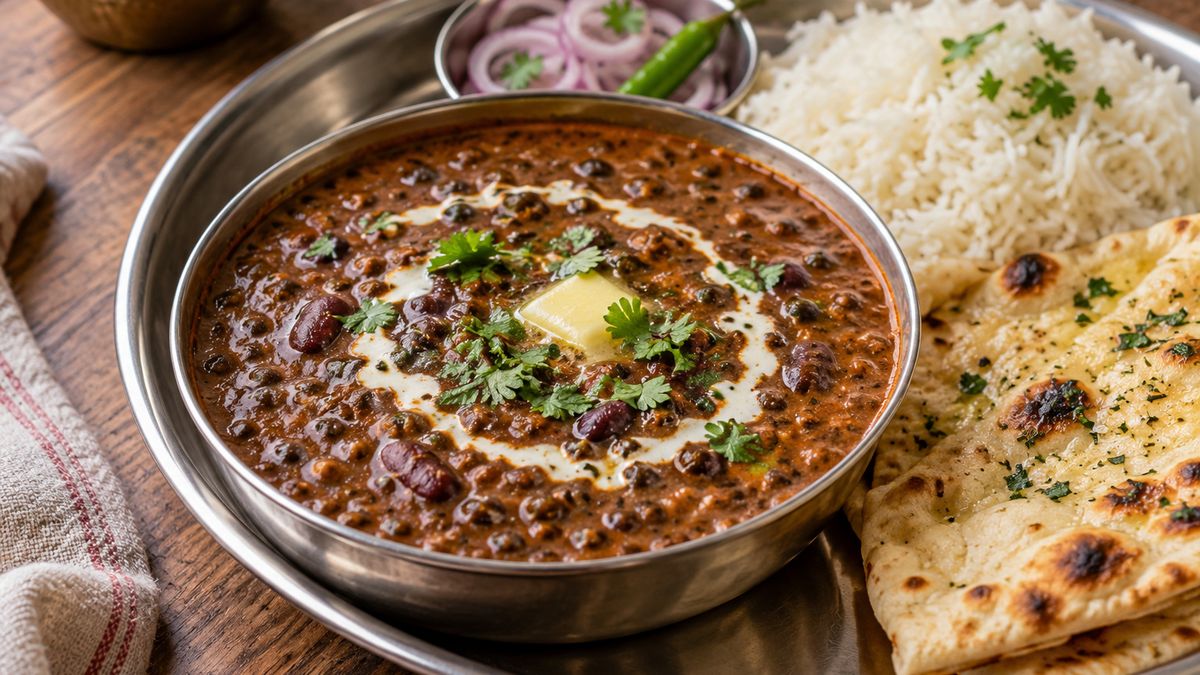 Dal Makhaniદાલ મખની
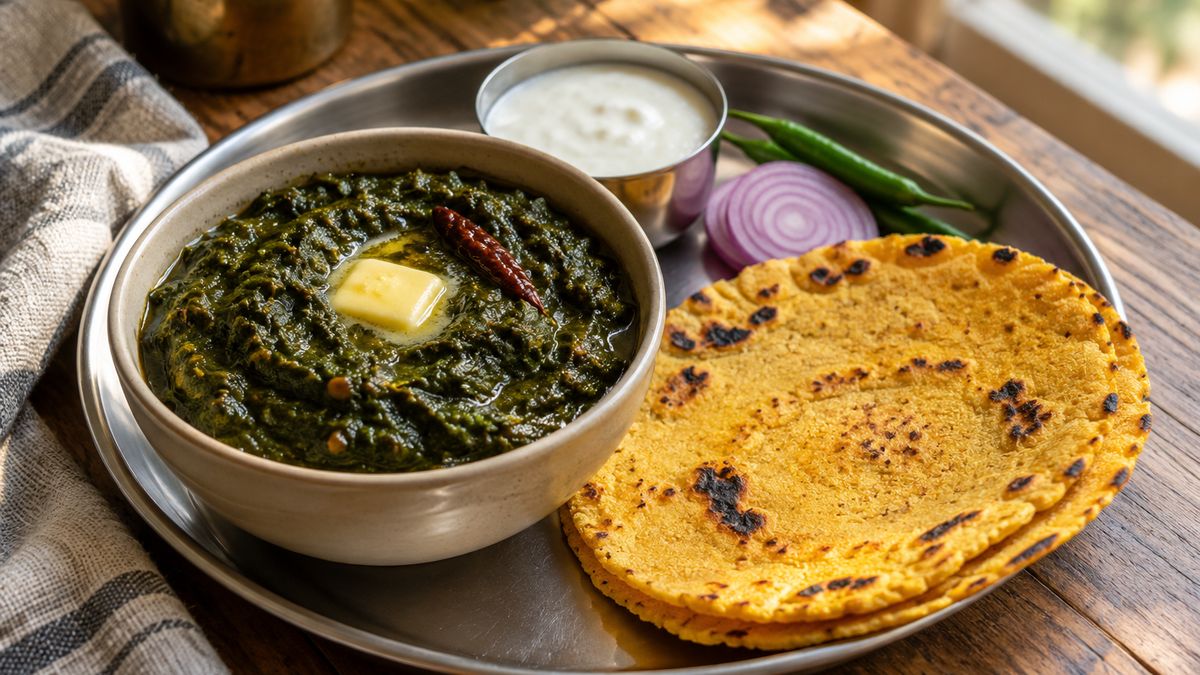 Sarson da Saag & Makki di Rotiસરસોં દા સાગ અને મકાઈની રોટી