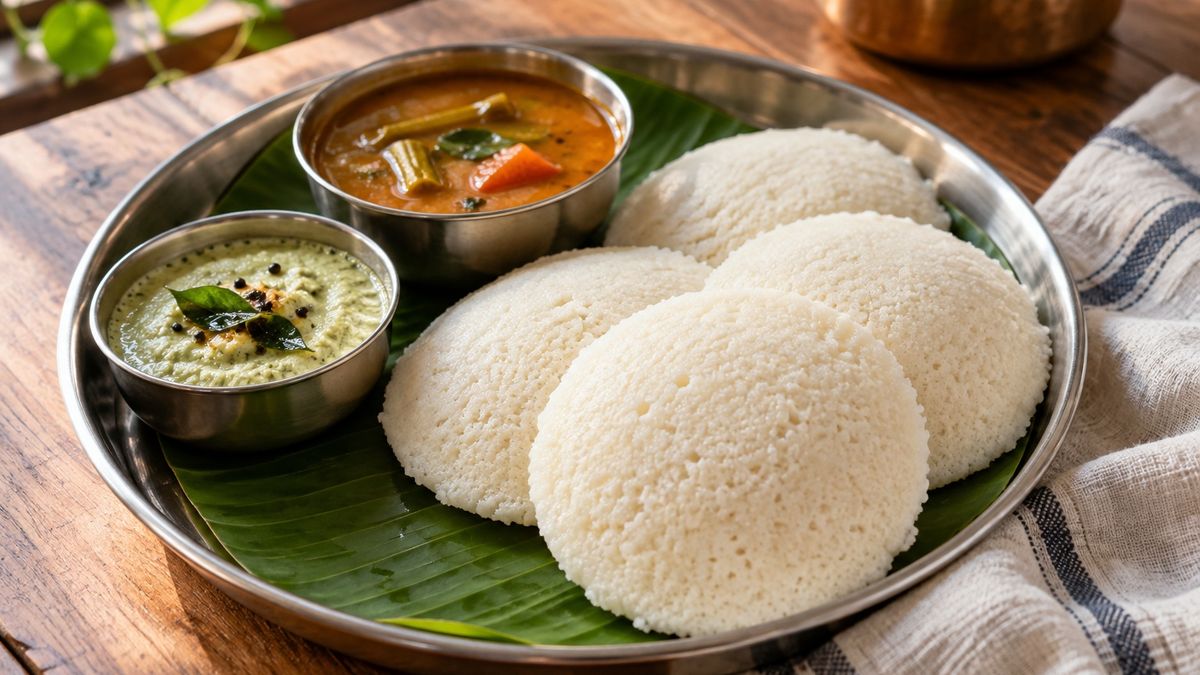
Idliઈડલી
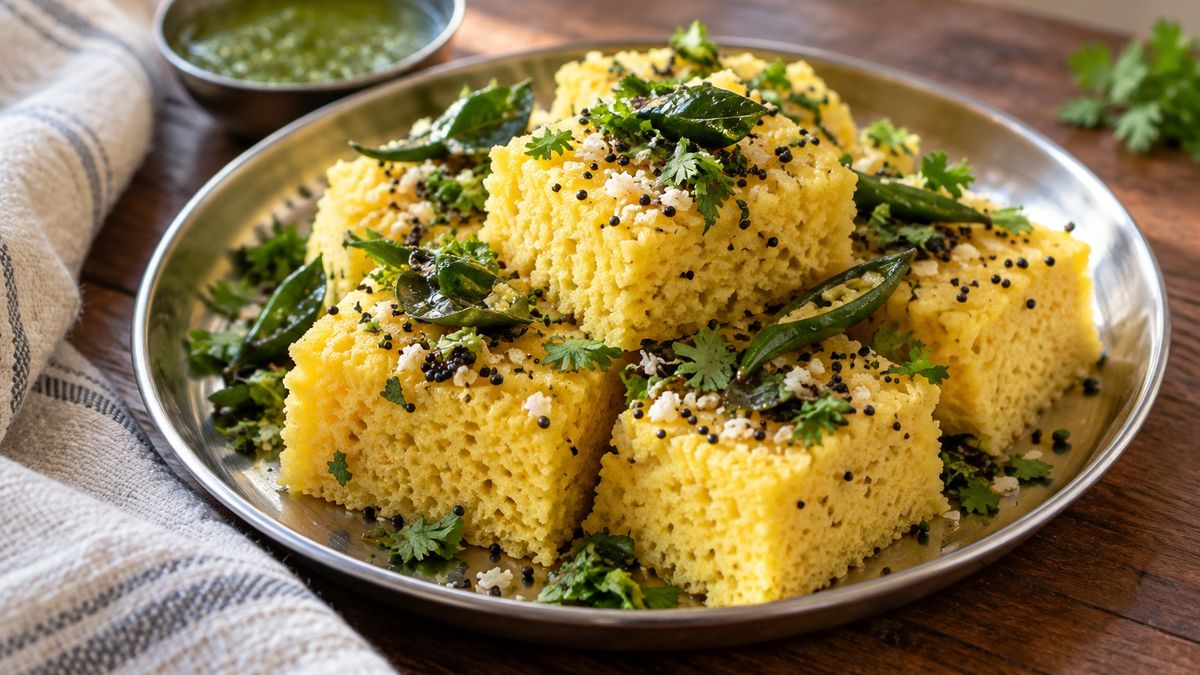
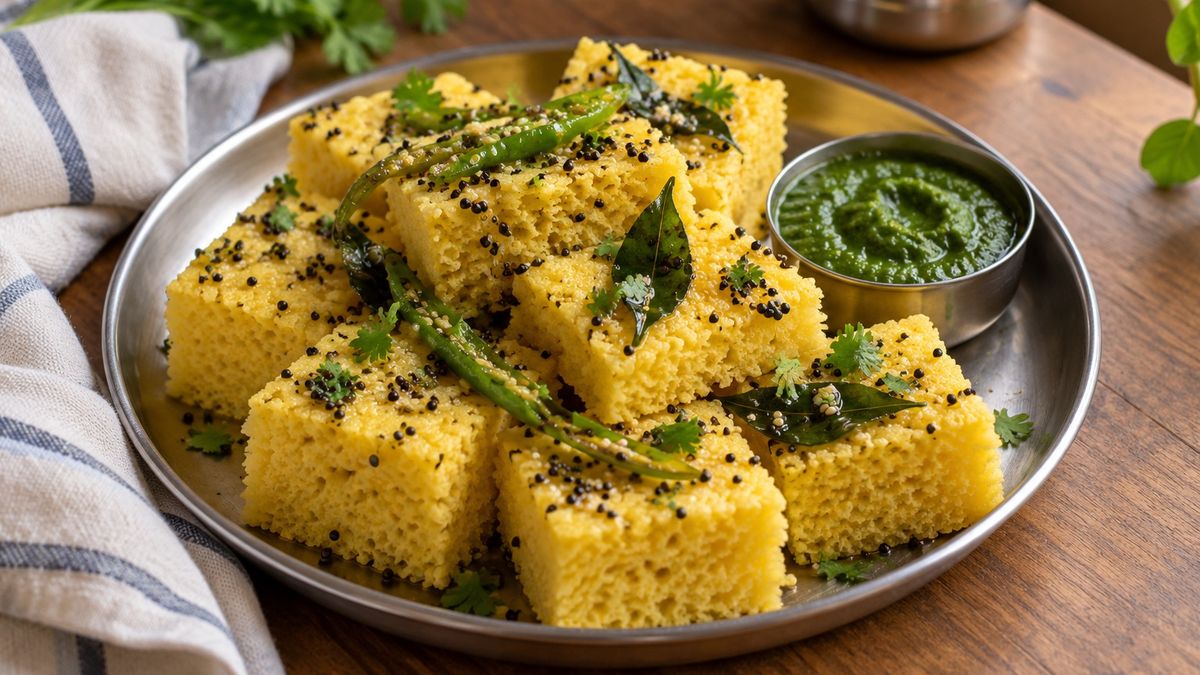
Soft steamed cakes of fermented rice and urad dal. There is no oil in them at all, which makes idli one of the lightest things you can eat.
Ingredients
Tap an ingredient to tick it off while you shop or measure.
- 2 cups idli rice
- ½ cup urad dal
- ½ tsp fenugreek seeds
- Salt
- A little oil for greasing
Method
- Soak the rice separately from the dal and fenugreek, both for 5 hours.
- Grind the dal light and frothy, the rice slightly grainy, then mix the two together by hand.
- Add salt, cover and ferment in a warm place for 8-10 hours until risen.
- Grease the idli moulds and pour in the batter.
- Steam for 10-12 minutes, until a knife comes out clean.
- Rest 5 minutes before removing, and serve with sambar and coconut chutney.
Tips
- Mixing the batter with your hand genuinely helps fermentation.
- In cold weather, leave the batter in an oven with just the light on.
Storing and reheating
Idli are best within two or three hours. Leftovers keep two days in an airtight box in the fridge but firm up; three or four minutes back in the steamer softens them. Fermented batter keeps three to four days refrigerated. Take out what you need and let it sit at room temperature for half an hour before steaming. Day-old idli can be cubed and tossed in a tempering.
What you can swap
- No idli rice? Ordinary short-grain rice works, though the idli come out heavier. Soaking ½ cup poha and grinding it with the dal makes them softer.
- Idli work without fenugreek, but it speeds up fermentation and adds aroma. Without it, give the batter two extra hours.
- To skip grinding, use 2 cups idli rava with ground urad dal batter from ½ cup dal. Same method, same fermentation time.
- No idli mould? Grease small steel bowls and steam them in a pressure cooker without the weight.
What to serve with it
The staple South Indian breakfast, with sambar, coconut chutney, or milagai podi and ghee. In Gujarati homes it has become common for breakfast or a light dinner, and it is the dish people reach for when someone is unwell.
Mistakes to avoid
- Grind the dal with cold water, added little by little. Warm water heats the mixer and the dal never goes frothy.
- Do not beat the batter once it has fermented. Fold it gently with a spoon, or you knock the air out and the idli come out flat.
- Do not fill the moulds to the top. Three quarters full is right, because the batter rises while steaming.
- Add salt before fermenting rather than while grinding, and keep it moderate. Too much salt slows the fermentation down.
Questions people ask
My batter will not ferment in cold weather. What helps?
Keep it somewhere warm: a closed oven with the light on, or the vessel sitting over warm water in a cooker. Wrapping the vessel in a cloth helps too. Fourteen to sixteen hours instead of ten is normal in winter.
Why are my idli flat and hard?
Usually under-fermented batter, or batter that was stirred hard after fermenting and lost its air. The other common cause is batter that is too thin. Idli batter should be noticeably thicker than dosa batter and should hold a soft mound on the spoon.
Can one batter make both idli and dosa?
It can, but these proportions are set for idli. For dosa you thin the same batter with water. For genuinely crisp dosa you need more rice, closer to 3 cups rice to ½ cup dal.