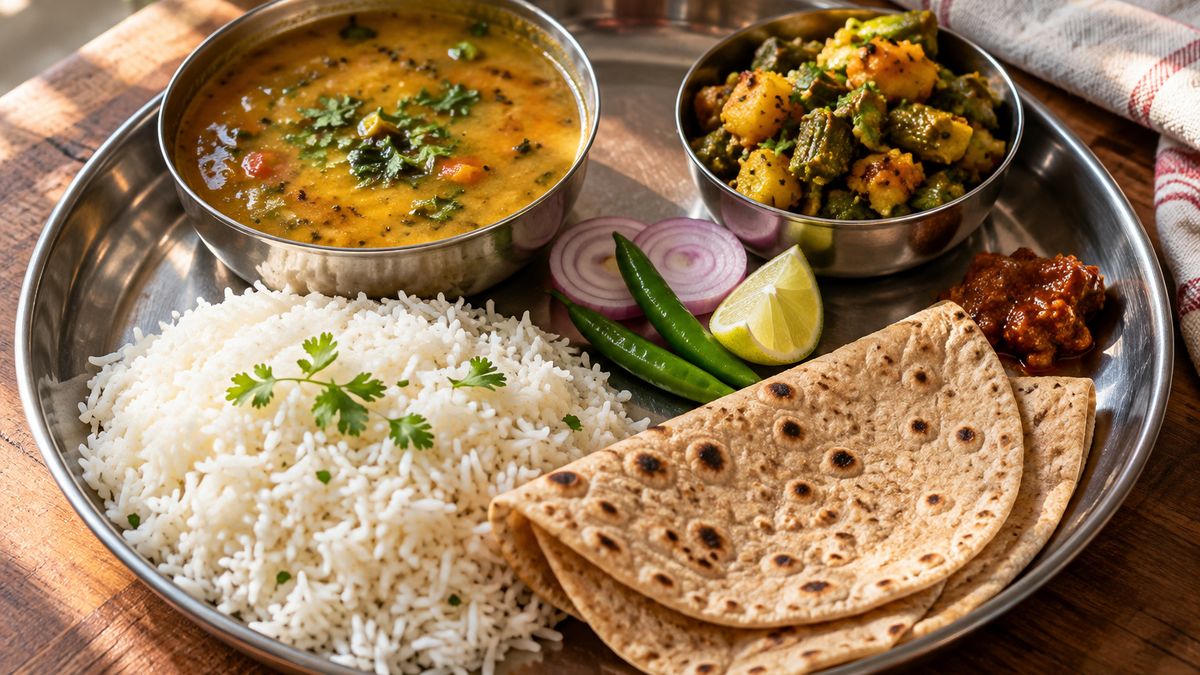
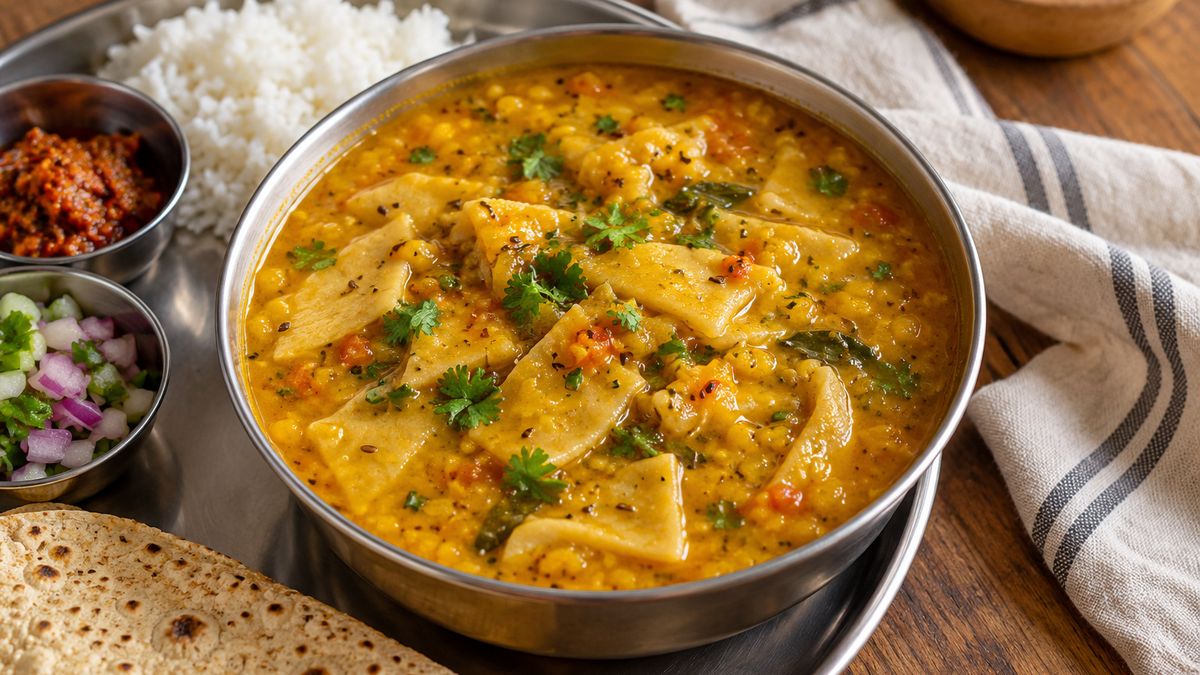
My dal tastes flat. What's missing?દાળ ફિક્કી લાગે તો?
Flat dal is not always under-salted dal. A Gujarati dal stands on three legs, salt, sourness and jaggery, with the tempering carrying the aroma on top. Take away any one of those legs, water the dal down, or make the tempering badly, and it will taste empty even though nothing is actually missing from the pot.
What is going wrong
Salt is low for the volume
Water usually goes in after the lentils are cooked, which quietly dilutes salt that was added earlier. Tasting it piping hot hides the problem further, because heat dulls your sense of salt. Test it properly: put half a bowl aside, add a single pinch, and taste. If that one pinch suddenly makes everything else in the dal show up, salt was the whole issue.
There is no sourness
Tamarind, kokum or tomato is what lifts the rest of the flavours. Without it a dal tastes heavy and vaguely sweet, and the flavour sits in one place in your mouth instead of opening out. Check by adding two drops of lemon to a spoonful. If it immediately tastes brighter, acid was what was missing. Add tamarind water and simmer five minutes, otherwise the sourness tastes raw and sits on top.
Tempering made in cool fat
The aroma of cumin, mustard, asafoetida and chilli is released into hot fat, not into water. If the ghee is barely warm, the mustard never pops, the cumin just goes soggy, and almost none of that smell reaches the dal. If there was no crackle, that is your answer. The opposite error matters too: a tempering taken to dark brown gives bitterness rather than fragrance, so pour it in as soon as the mustard pops.
The dal is too thin
Flavour is dissolved in the liquid, so the more water there is, the less salt, sourness and sweetness arrive in each spoonful. Adding more salt will not fix this; it will only make the dal salty. If it runs off the ladle like water, simmer it uncovered for ten minutes to concentrate it first, then taste again. Very often the flavour turns up on its own at that point.
Jaggery added first and overdone
Sweetness rounds off the edges of everything around it. Put the jaggery in early and you will not notice that salt and tamarind are short, but the dal ends up sugary and flat at the same time. A dal that tastes sweet and dull at once has usually had this done to it. Keep the order fixed: salt first, then tamarind, then jaggery a little at a time, tasting as you go.
What to do right now
Start by simmering the dal uncovered until it thickens slightly, because nothing you add to a watery dal will register. Then work in order: a pinch of salt and taste; if it is still flat, tamarind water or a few drops of lemon; and only last, jaggery in small amounts. Finish with a fresh tempering, cumin, mustard, asafoetida, curry leaves and a dried chilli in hot ghee, poured over and covered at once. Stir in the coriander off the heat, since boiling drives its smell straight out.
Getting it right next time
- Add the water first and the salt after, once the lentils are cooked, rather than the other way round.
- Simmer for five to seven minutes after the tamarind water goes in so the sourness loses its raw edge.
- Jaggery last, in small additions, tasting each time.
- Make the tempering just before serving and pour it in the moment the mustard pops.
- Keep coriander, lemon and curry leaves for the end instead of boiling them in.
Related questions
What if I have oversalted the dal?
Increasing the quantity is what actually works: stir in some water along with a little extra cooked lentil, then rebalance the jaggery and sourness. A piece of potato does not absorb salt, it simply adds bulk. If the dal is only slightly too salty, a few drops of lemon and a pinch of jaggery will usually cover it without any further adjustment.
How do I keep dal from tasting flat if I do not want to use jaggery?
Dates, a little grated tomato or roasted coconut can all bring a gentler sweetness. But it is worth remembering that flatness usually comes from too little salt or too little acid rather than too little sweetness. Get those two right first, then decide whether the dal needs any sweetening at all.
Should I pour the tempering over the dal or add the dal to the tempering?
Either works, but pouring it over keeps more of the aroma, because the spices do not then have to boil. Cover the pot straight after pouring so the fragrance stays in. If you prefer to add the dal to the pan, turn the heat off as you pour, otherwise the asafoetida and curry leaves scorch and turn bitter.