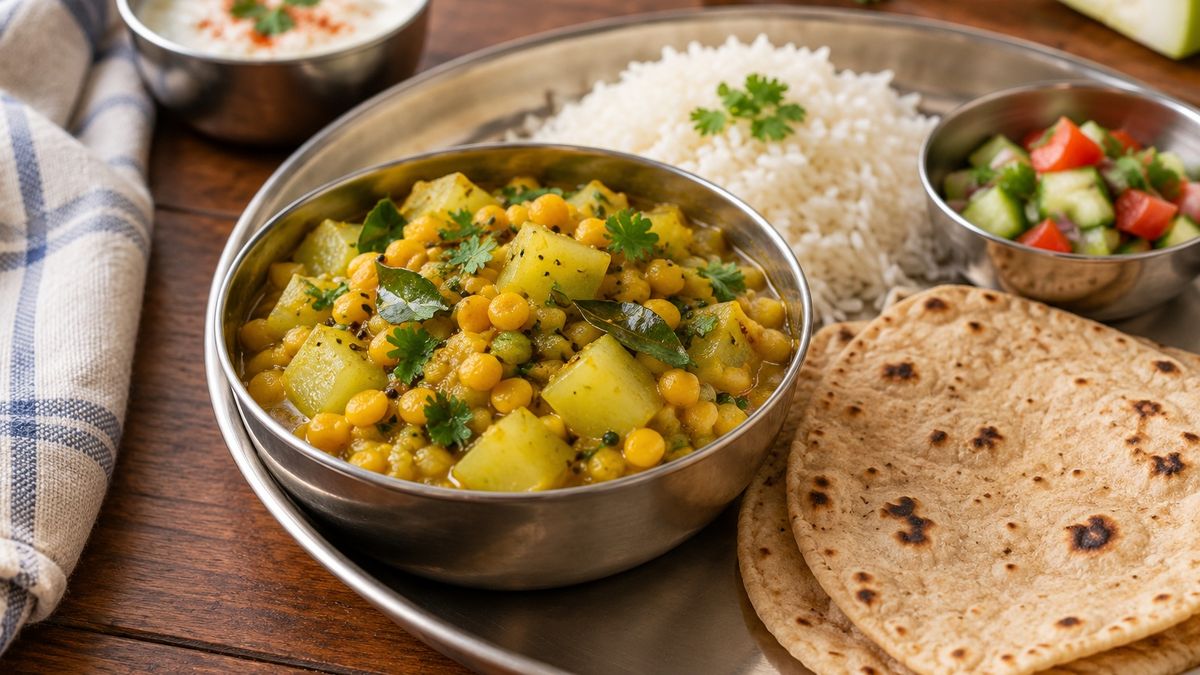
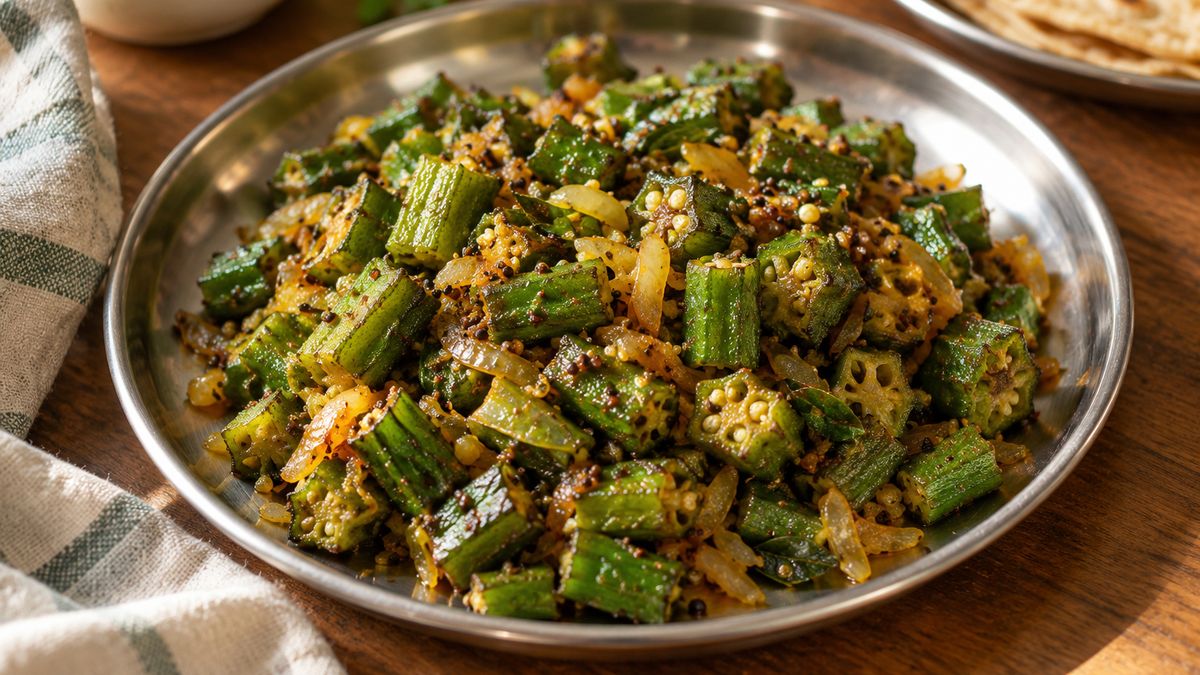
What to do if the sabzi turns bitterશાક કડવું થઈ જાય તો શું કરવું?
Bitterness in a sabzi is usually not a seasoning mistake. It is a natural bitter compound that was already in the vegetable, and cooking spreads it through the whole dish. Bottle gourd, bitter gourd, fenugreek and scorched spice are the four usual sources. Once it has spread, bitterness cannot really be removed, only balanced against other tastes.
What is going wrong
The bottle gourd was already bitter
Dudhi occasionally carries a lot of its natural bitter compound, and a single bitter gourd will make an entire pot inedible. Cooking does not drive it off; it dissolves into the liquid and spreads everywhere. So make it a habit to taste a small raw piece on the tip of your tongue as you cut. If there is even a hint of bitterness, set that gourd aside and use another one.
Bitter gourd was not salted and squeezed
The bitterness in karela sits mainly in the skin and around the seeds, and it is water soluble. Cook the slices straight after cutting and the whole dish turns harsh, with bitterness lingering on the tongue afterwards. Rub the cut pieces with salt, leave them twenty to thirty minutes, then squeeze them out and throw the liquid away.
Too much fenugreek
Both fenugreek seeds and the leaves are bitter, and the seeds release that bitterness as they cook. A spoonful of seeds where a pinch was meant gives a bitterness that creeps up after you swallow. If the leaves taste bitter, rub them with salt and squeeze them before use, and count the seeds into the tempering rather than tipping them in.
The tempering or aromatics burned
Asafoetida, curry leaves, garlic, ginger and especially fenugreek seeds darken very fast in hot fat, and once they are dark they are bitter. A blackened tempering or a scorched smell from the pan tells you where the bitterness came from. Do not add the vegetables to it. Throwing out that spoon of fat and starting again costs far less than the whole dish.
Ground spices were overheated
Coriander-cumin, turmeric and chilli powder burn rather than toast if they sit in a dry hot pan, and the bitterness arrives within seconds. A dull brownish colour and a sharp burnt smell instead of fragrance are the signs. Once the powders go into the oil, add the vegetables or a splash of water within ten or fifteen seconds.
What to do right now
Three things push bitterness back: sweetness, acid and fat. Stir in a little jaggery, then lemon juice or a couple of spoons of yoghurt, and if it needs more, some grated coconut or crushed roasted peanuts. Add each in small amounts and taste between them. The other approach is dilution, bulking the dish out with boiled potato or tomato so the bitterness is spread thinner. But if the gourd was badly bitter or the tempering burned, the dish will not come back, and throwing it away is the honest answer.
Getting it right next time
- Taste a raw piece of bottle gourd, bitter gourd or cucumber as you cut it.
- Salt cut bitter gourd for half an hour, then squeeze it and discard the liquid.
- Keep fenugreek seeds to a pinch, and salt and squeeze fenugreek leaves before use.
- Temper on medium heat, and add the vegetables or water right after the ground spices.
- Do not combine two bitter ingredients, such as fenugreek and bitter gourd, in one dish.
Related questions
Is it alright to eat bitter bottle gourd?
On taste alone, a bitter gourd is simply not worth eating: the bitterness does not cook out and spices will not hide it. So get into the habit of tasting a raw piece while cutting, and discard any gourd that tastes bitter at all. If you have any concern beyond taste about something you have eaten, that is a question for someone qualified to advise on it.
Can the bitterness be taken out of karela completely?
Not completely, and it should not be, since the bitterness is the point of the vegetable. To moderate it, scrape the skin lightly, remove the seeds, salt and squeeze the slices, and use jaggery and amchur in stuffed versions. That balances the bitterness against other flavours rather than removing it.
Can I use sugar instead of jaggery to cover bitterness?
You can, but jaggery has a deeper, slower sweetness that masks bitterness better, while sugar tastes sweet on the surface and lets the bitterness show through behind it. If you only have sugar, use a small amount and add lemon or yoghurt alongside, because sweetness without acid just makes the dish cloying.