Cooking for guestsમહેમાન આવે ત્યારે
In most homes the warning comes as a phone call from the road. The hard part of cooking for guests is almost never the recipe; it is the planning around it, when you do not know how many people are coming, you have one working burner and ninety minutes, and you want everything to reach the table hot at the same time. This page is about that part.
Planning when you do not know the numbers
Four people are announced and seven arrive. The way around this is to choose dishes that do not mind being stretched. A dal, a gravy sabzi and rice will quietly feed two extra people, because a little water, one more tomato and a pinch of masala extend them without anyone noticing. Counted dishes are the opposite: puri, khaman and khandvi are made in a fixed number of pieces, and adding more halfway through means starting again. So knead more dough than you think you need, and cook a slightly larger pot of rice. Rice is the thing that absorbs a wrong headcount. Keep a tin of chevdo or sev in the cupboard as well, because a plate with something dry on the side never looks empty. Set out the spare chairs and glasses early; you will forget later.
What can be made the day before
When you do get notice, half the work can be done ahead. Green chutney, chhundo and tamarind-date chutney all keep three days in the fridge. Soak chana, rajma or val overnight. Wash, peel and chop vegetables the night before and keep them in boxes; potatoes stay pale if you leave them in water. Dry-roast semolina, grind the ginger-chilli paste and grate the coconut in advance. Dough can be kneaded and refrigerated, then taken out half an hour before you roll and worked briefly by hand. Khaman batter can be mixed ahead too, but the Eno or soda only goes in as the batter goes into the steamer. Anything that tastes good at room temperature, like handvo, muthiya or thepla, is best made in the morning and simply warmed through later.
What to put out first while you cook
The awkward half hour is the one where the guests are sitting down and the kitchen is still going. The fix is to put something in their hands immediately. Cold water first, then chaas or lemon sharbat in the heat and tea in winter. Alongside it, whatever needs no cooking: chevdo from the tin, sev and puffed rice, roasted peanuts, khari biscuits. Papad is the fastest hot thing in any Gujarati kitchen and takes two minutes. Once this is done you have bought yourself twenty-five or thirty unhurried minutes and nobody is sitting there hungry. One thing to watch: keep this first round light. If you fry a full round of bhajiya now, nobody will have room for the meal you are still cooking, and you will have fried twice for nothing.
The order of work in a small kitchen
With two burners and one pair of hands, sequence is everything. Start whatever cooks itself and takes the longest: dal and rice in the cooker, khaman or handvo in the steamer. While those are going, do all the chopping and grind the chutney, so you are not doing it under pressure later. The gravy sabzi comes next, because it reheats without complaint. Rotli, puri and anything deep fried go last, five or ten minutes before people sit down, since those are the only dishes that genuinely need to be hot. Somewhere in the middle, taste everything for salt once; correcting it at the table is awkward. And do not try a dish for the first time with guests in the house. The day you have visitors is not the day to experiment.
Building a plate that works
A good meal is not a long one. Four or five things are plenty: one gravy, one dry vegetable, one farsan, rotli or puri, and dal with rice. Add a sweet and the meal feels complete. Avoid two deep-fried dishes in the same meal, both because the food becomes heavy and because it means managing hot oil twice. In the same way, if two dishes are spicy, keep something mild or lightly sweet beside them, so children and older guests have something they can eat. Chhundo, pickle, papad and a bowl of yoghurt cost almost no time and make a plate look generous. Serve the hot things first and bring the rotli out in rounds rather than stacking them all up at the start, where they only go cold.
Questions people ask
They will be here in half an hour. What should I make?
One quick cooked thing and one thing from the tin. Whisk a khaman batter and get it into the steamer, put the tea on, and empty chevdo, sev-mamra or roasted peanuts into bowls. Roast a couple of papad while the tea brews. That is thirty minutes of work and the house feels looked after.
How much food should I cook per person?
Household measures work better than any formula. Count on three or four rotli per adult, a bowl of sabzi and a bowl of dal with rice; children eat about half of that. If there is a farsan on the table, people eat fewer rotli. Always cook for one more person than you expect, so you are not running back to the kitchen mid-meal.
How do I keep things hot if the guests are late?
Keep dal and gravy covered in a heavy-bottomed pot and reheat gently just before serving. Wrap rotli in a cloth inside a closed box rather than plastic, which traps steam and makes them leathery. Do not try to hold fried food hot, because it softens as it waits. Keep the batter ready and fry only once everyone has arrived.
The phone rings and they have already left the house. These dishes are simple, scale up easily for a crowd, and please almost everyone.
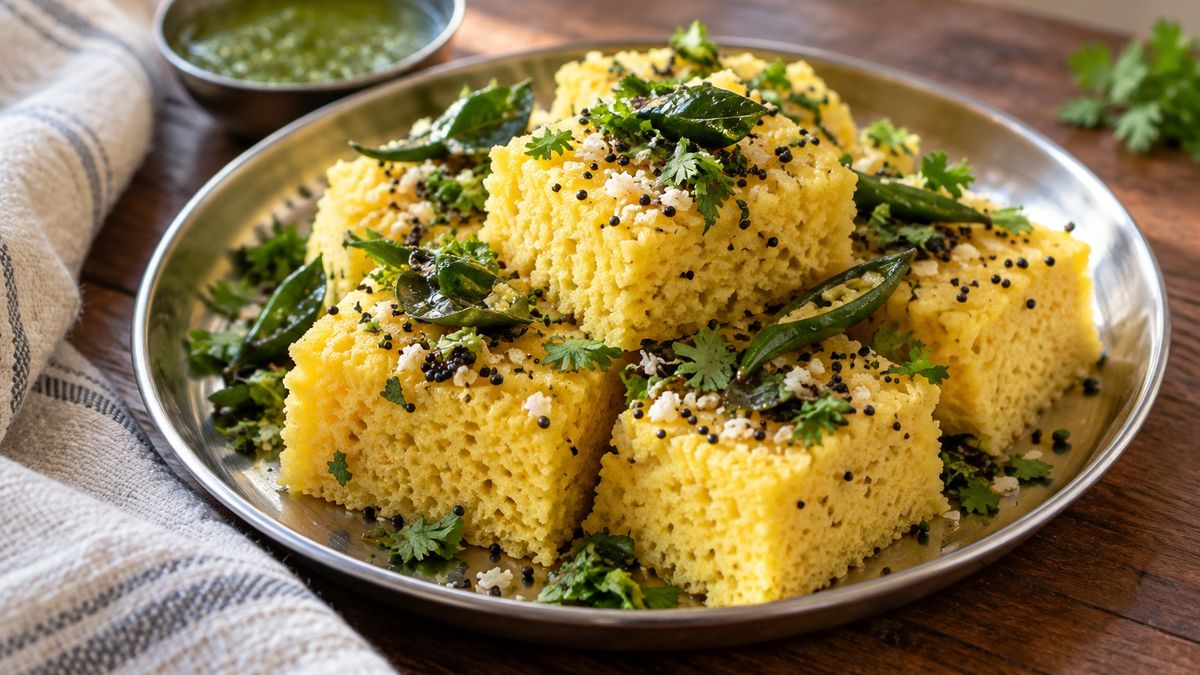 KhamanStart it first; everything else gets done while it steams.
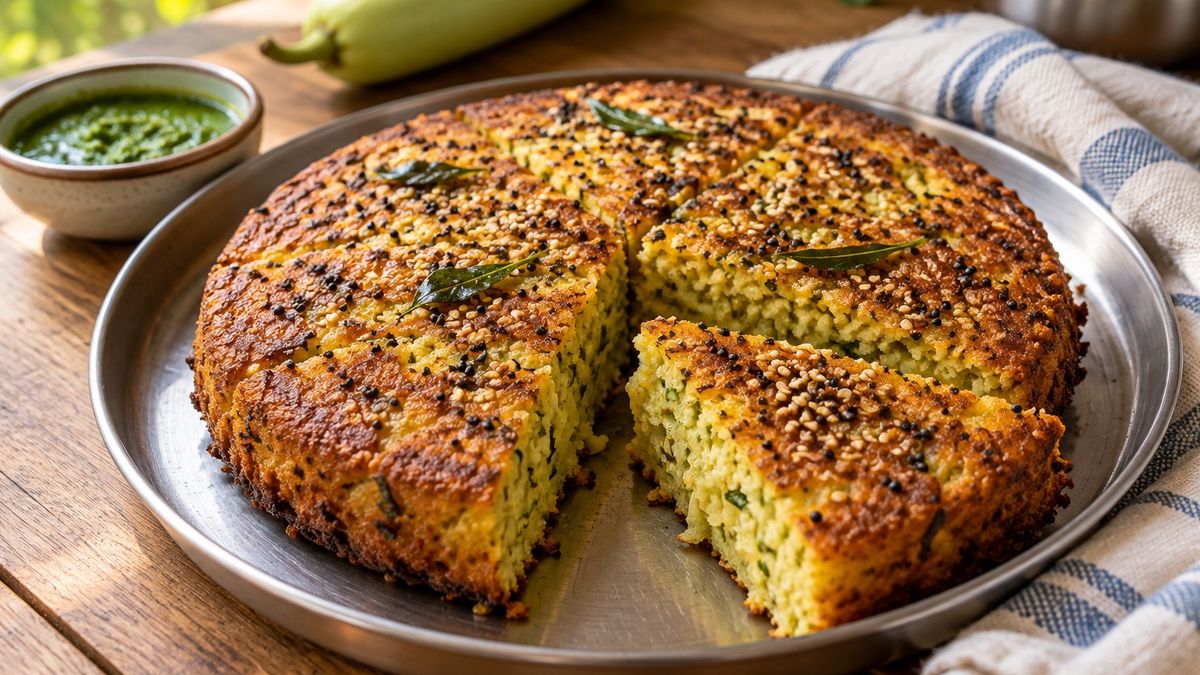 HandvoOne pan, and it is just as good at room temperature.
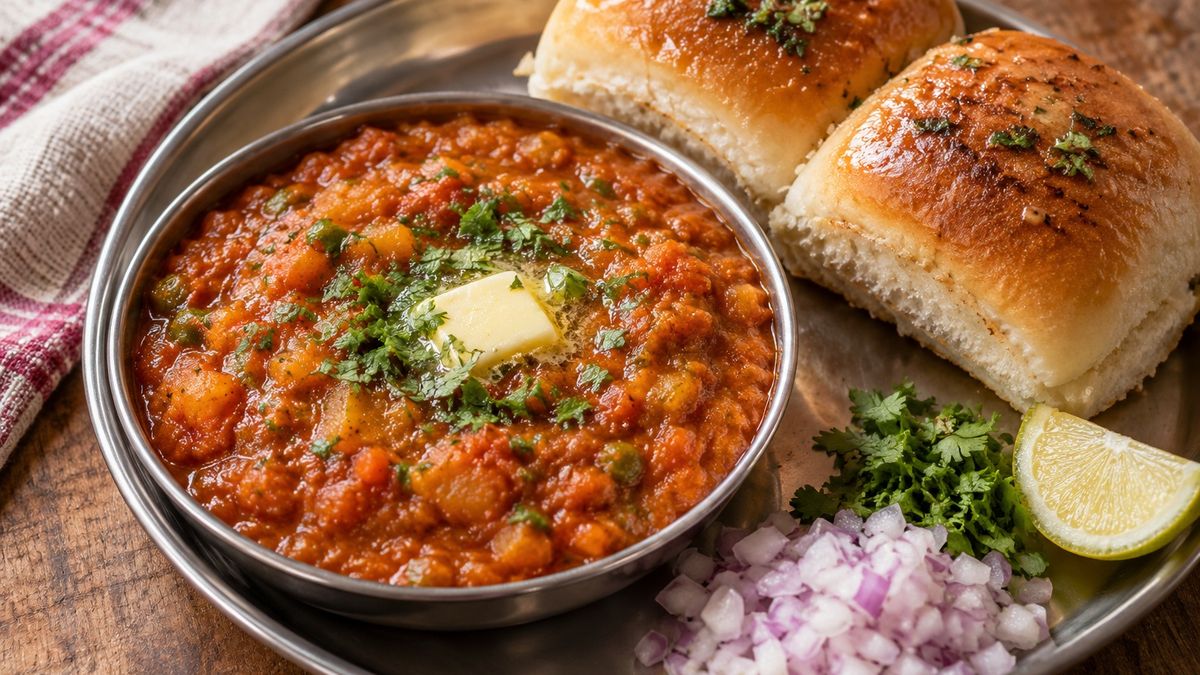 Pav BhajiThe easiest thing to cook for a large group.
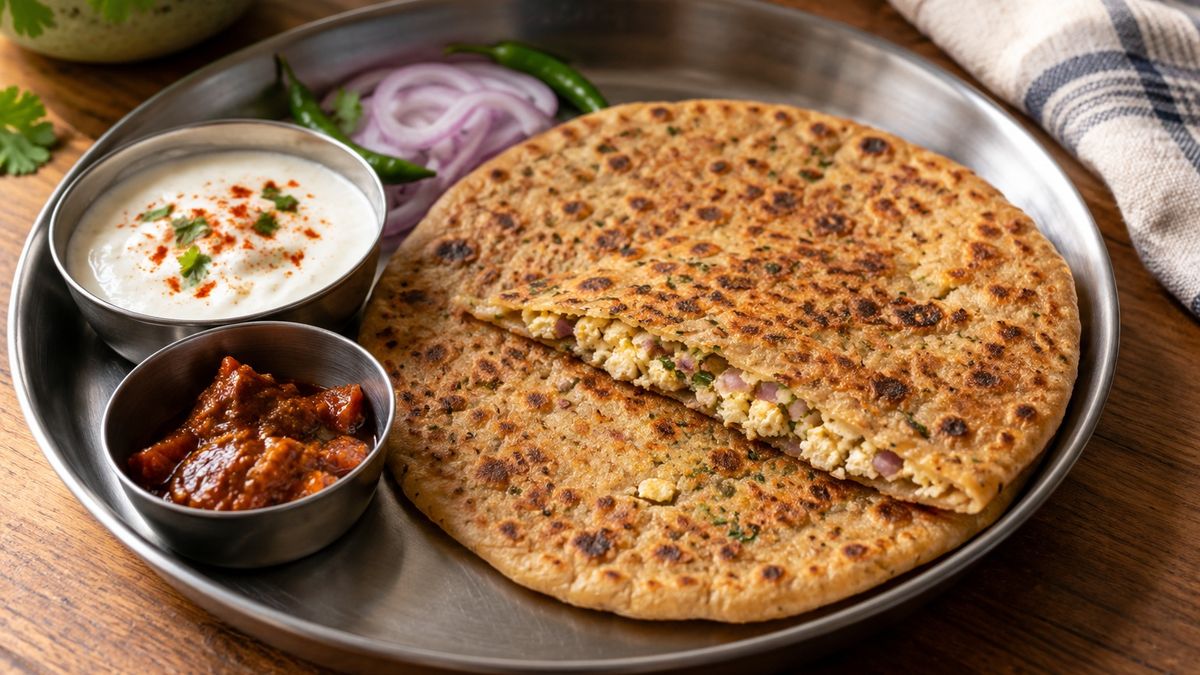 Paneer ParathaFeels special without being difficult, and children eat it.
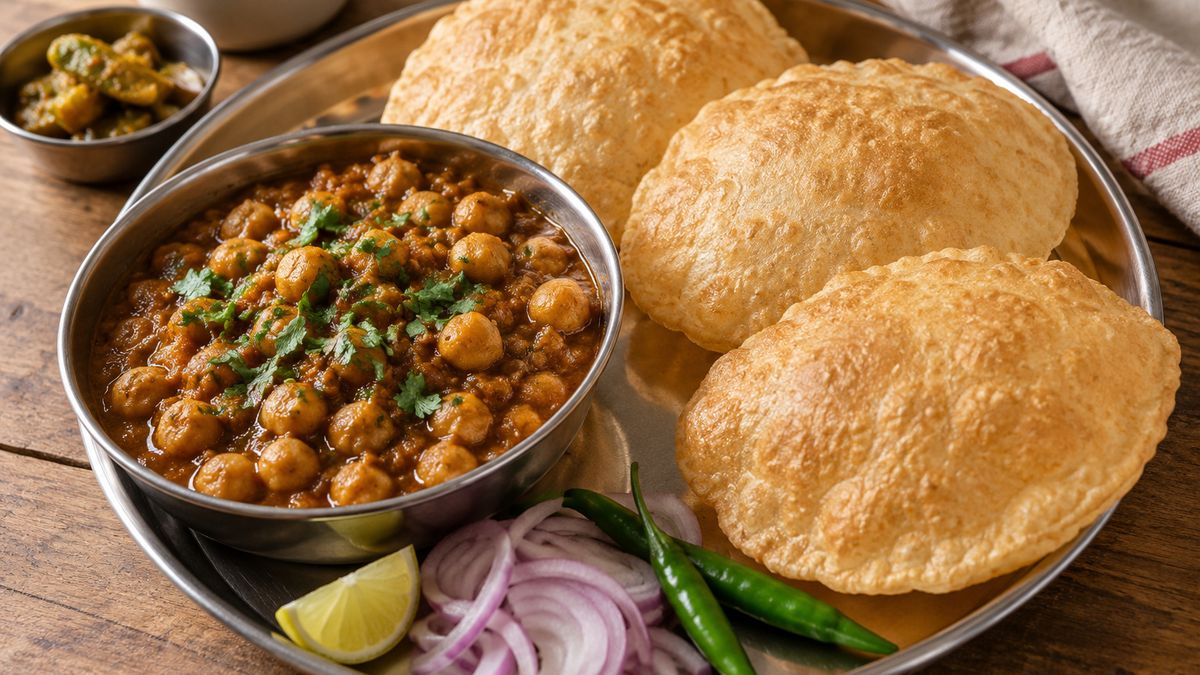 Chhole PuriFry the puris last and the meal is complete.
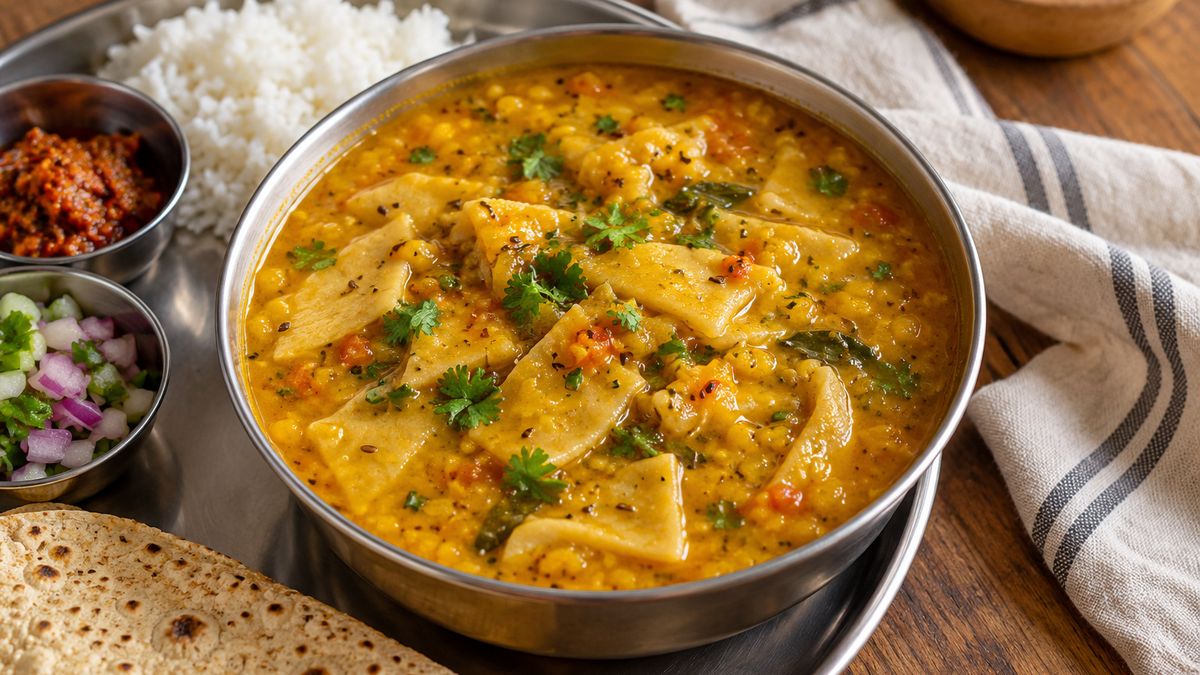 Dal DhokliA whole meal in one pot when there is time to sit and eat.
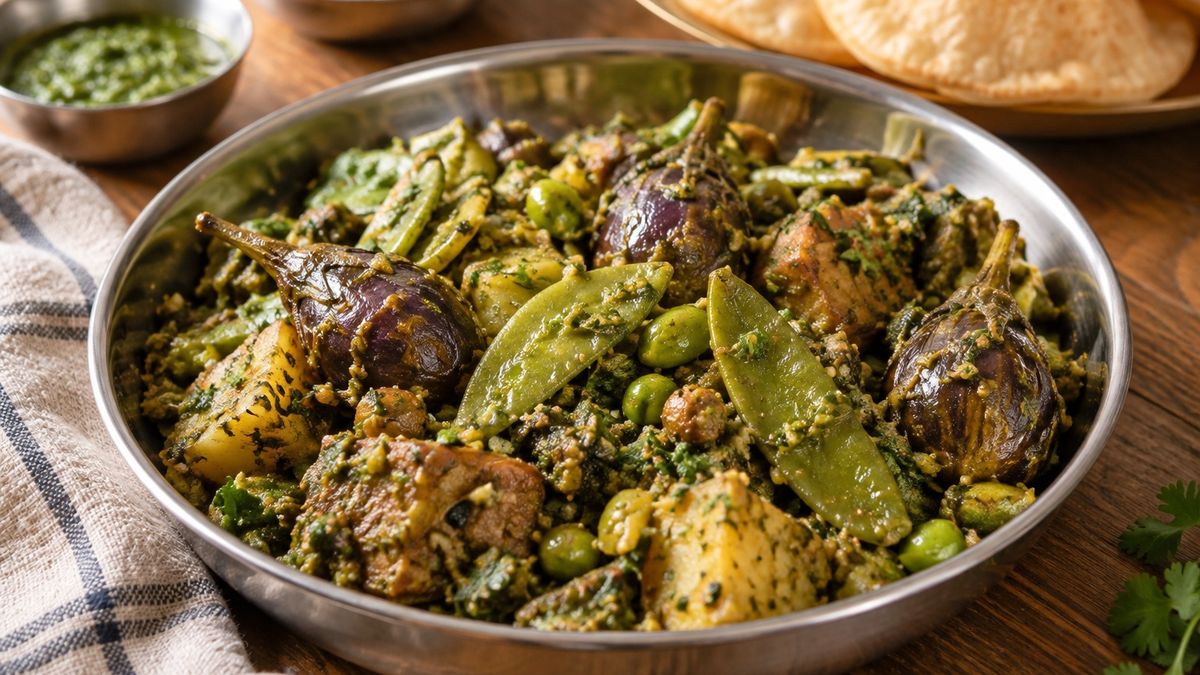 UndhiyuIn winter, there is no bigger welcome than this.
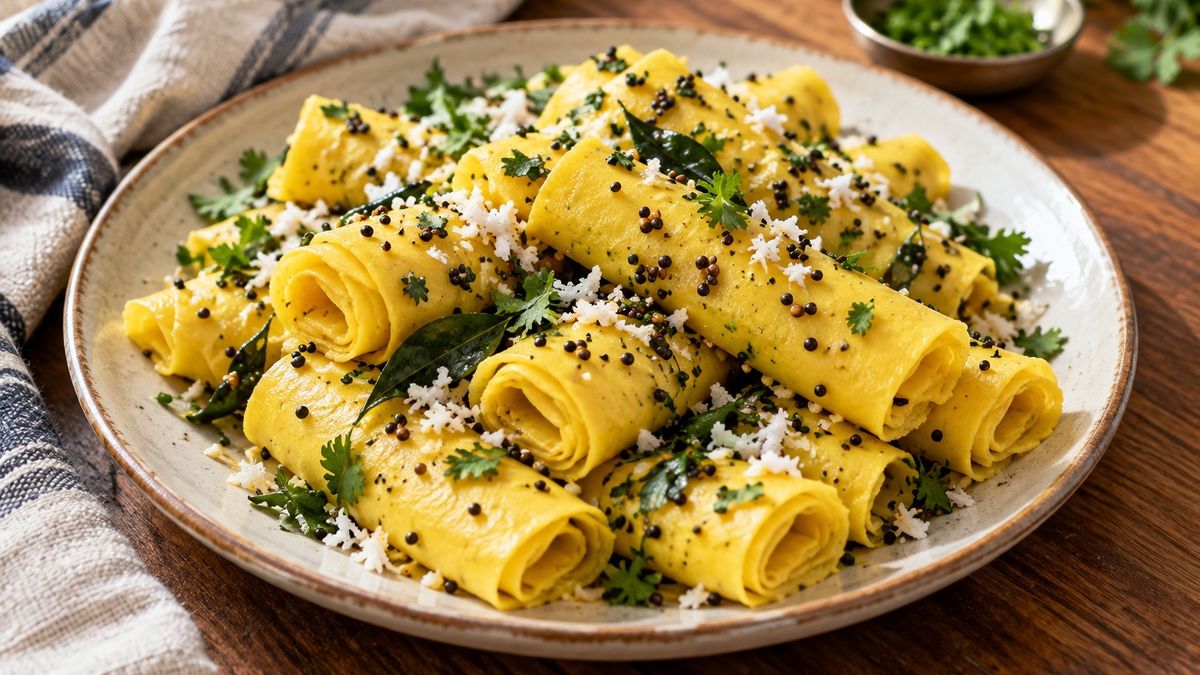 KhandviThe best-looking thing on the table, and it always gets compliments.
Add tea, papad and buttermilk and the thali feels complete.