Using up leftover roti and riceવધેલી રોટલી અને ભાત
Nothing gets thrown away in a Gujarati kitchen; last night's rice becomes this morning's dish. But before you use anything up, two questions come first: how was it stored, and is it still good. This page covers how long cooked rice and roti actually keep, how to tell when something has turned, and then the standard household ways of using each of them.
How long cooked rice keeps, and how to store it
Cooked rice is not something to leave sitting at room temperature, particularly in hot weather. The first job is cooling it quickly, and leaving it covered in the hot pot does the opposite, because the heat stays trapped in the middle for hours. Spread the rice out in a wide thali or parat so the steam can escape and it cools fast, then cover it and get it into the fridge, within about two hours of cooking. Use refrigerated rice the next day rather than stretching it further. When you use it, reheat it properly, right through, until it is steaming hot in the middle and not just warm at the edges. Reheat it only once. Rice that sat out covered all night is not worth using in the morning.
How long leftover roti keeps
Roti holds much less water than rice, so it keeps better. In cool weather, rotli made in the morning will be fine in a box by evening; in the heat, the fridge is the safer choice. Let them cool completely before storing, then wrap them in a clean cloth inside an airtight box. Packed warm, the trapped steam makes them damp and sour-smelling within hours. In the fridge they are good for two or three days, and beyond that they are not worth eating. Thepla, which carry more oil, last noticeably longer than plain rotli. Roti usually goes hard before it goes bad, but hardness is not the thing to watch for: a changed smell, a sticky surface, or any spot of mould means it goes in the bin.
How to tell if something has turned
You do not have to guess, because the signs are clear. Smell it first. Any sourness or hint of fermentation in rice means it is finished. Then feel it. If the grains are sticky, clump together, or pull into threads when you lift them, throw it out. On roti or sabzi, any spot of green, black or white mould means the whole thing goes, and you should not cut away the spot and keep the rest. Dal or gravy with a foamy surface or a sharp smell is gone too. One point worth being firm about: reheating does not remove a sour smell, it only hides the heat of it for a moment. If the first mouthful tastes off, stop. When in doubt, throwing it away is the easy decision.
The standard ways to use up rice
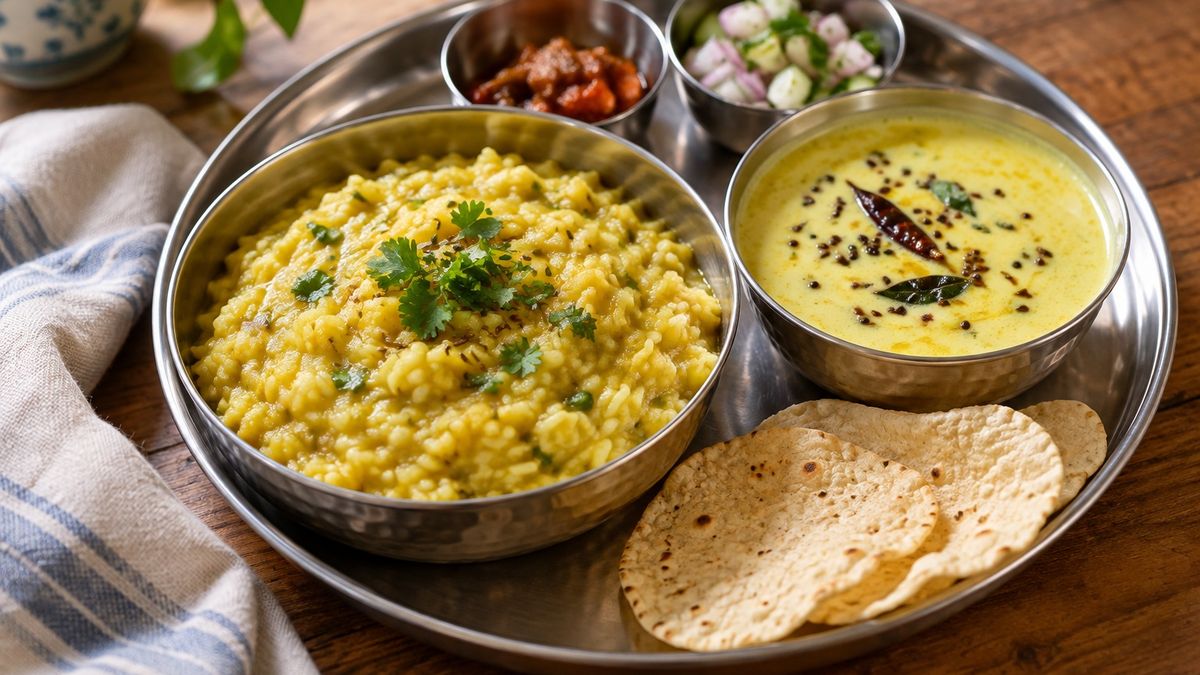
The oldest answer is vaghareli bhaat. Temper mustard seeds, asafoetida, curry leaves, green chilli and turmeric in oil, break the cold rice up with your fingers so there are no lumps, add it with salt and lemon, and cover it until it is properly hot through. Dahi bhaat is the other classic, but eat it straight away rather than keeping it. Cold rice also mixes into gram flour with chopped greens and masala to make muthiya or small vadas, and a thinner batter makes pudla. Two spoons of rice kneaded into wheat dough keeps rotli soft. Reheated rice with kadhi is a complete light dinner on its own. Whichever route you take, bring the rice to steaming hot, not merely warm.
What to do with roti, dal and sabzi
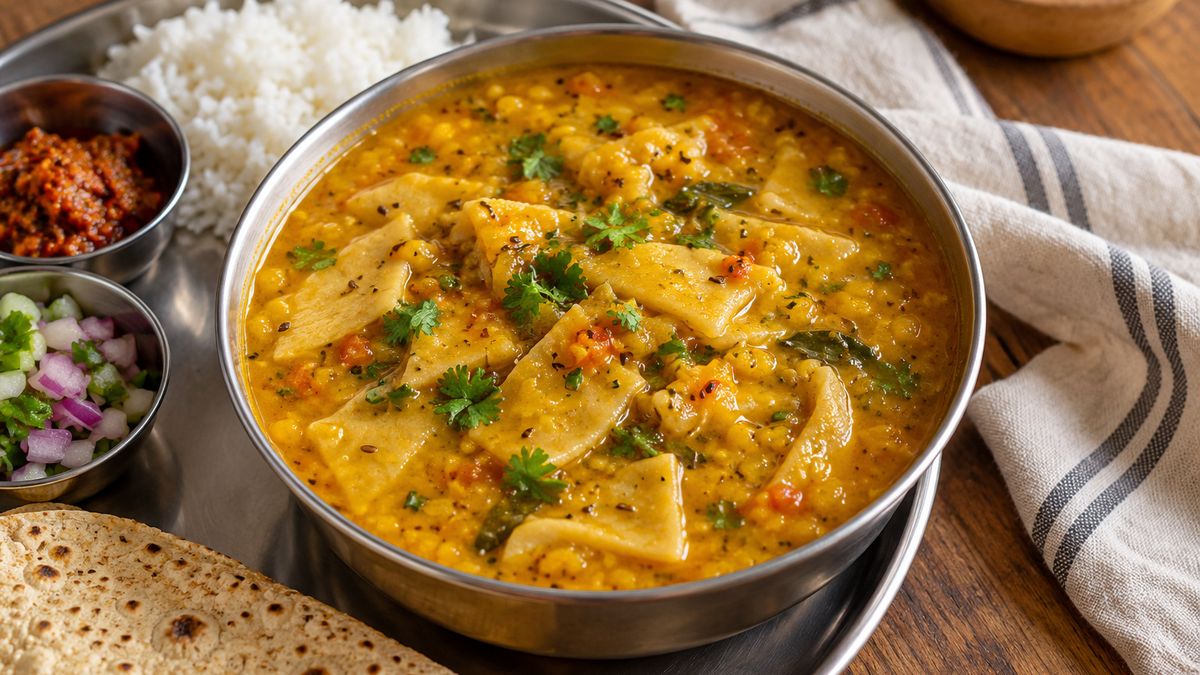
The simplest thing to do with roti is churma: crumble it, work in ghee and jaggery with your hands, and it disappears fastest with children. Second is roti nu shaak, where you temper oil, soften onion and tomato, add torn roti and cover it for two minutes. Third is crisp strips, cut thin and toasted or shallow fried, dusted with chilli and salt, and eaten with tea. Leftover dal becomes dal dhokli once you drop in diamonds of wheat dough, or it can be kneaded straight into flour for parathas. Dry sabzi makes a paratha filling, and leftover potato sabzi mashes into petis. Do not thin leftover sabzi with water to stretch it into a gravy; the flavour flattens. Use it as a filling instead.
Questions people ask
Can I reheat refrigerated rice and eat it?
Yes, with two conditions. It should have been cooled quickly and refrigerated within about two hours of cooking, and used the next day rather than kept longer. And when you reheat it, take it right through to steaming hot in the middle, not just warm. Reheat it only once; do not cool it down and heat it again a second time.
How do I soften roti that has gone hard?
Flick a little water over it with your fingers and turn it on a hot tava for ten or fifteen seconds a side, so the steam softens it. You can also set it in a sieve over boiling rice for two minutes. If it has gone properly hard, stop trying to rescue it: tear it up and toast it crisp with chilli and salt, or crumble it into churma.
How long does leftover food keep without a fridge?
It depends on the weather and the dish, and in Gujarati heat the window is short. Rice, dal, gravy sabzi and anything containing yoghurt should not be left out at all; cool them and refrigerate. Dry things like thepla, bhakhri and dry sabzi keep much longer in a box. If the smell has changed at all, throw it away.
Nothing is thrown away in a Gujarati kitchen. Last night's leftovers become this morning's dish.
Leftover rice
Temper mustard seeds, asafoetida, curry leaves and turmeric in oil and toss the rice through it. Or mix it with yoghurt and a pinch of salt for a cooling lunch.
Leftover roti
Tear it up, fry until crisp and dust with chilli and salt for a tea-time chevdo. Or roll it with jaggery and ghee, the way children are given it.
Leftover dal
Reheat it, drop in diamonds of wheat dough and you have dal dhokli. Or knead the dal into flour and make parathas.
Leftover sabzi
Any dry sabzi can be stuffed into a paratha. Potato sabzi becomes the filling for a sandwich or vada pav.