Patraપાત્રા
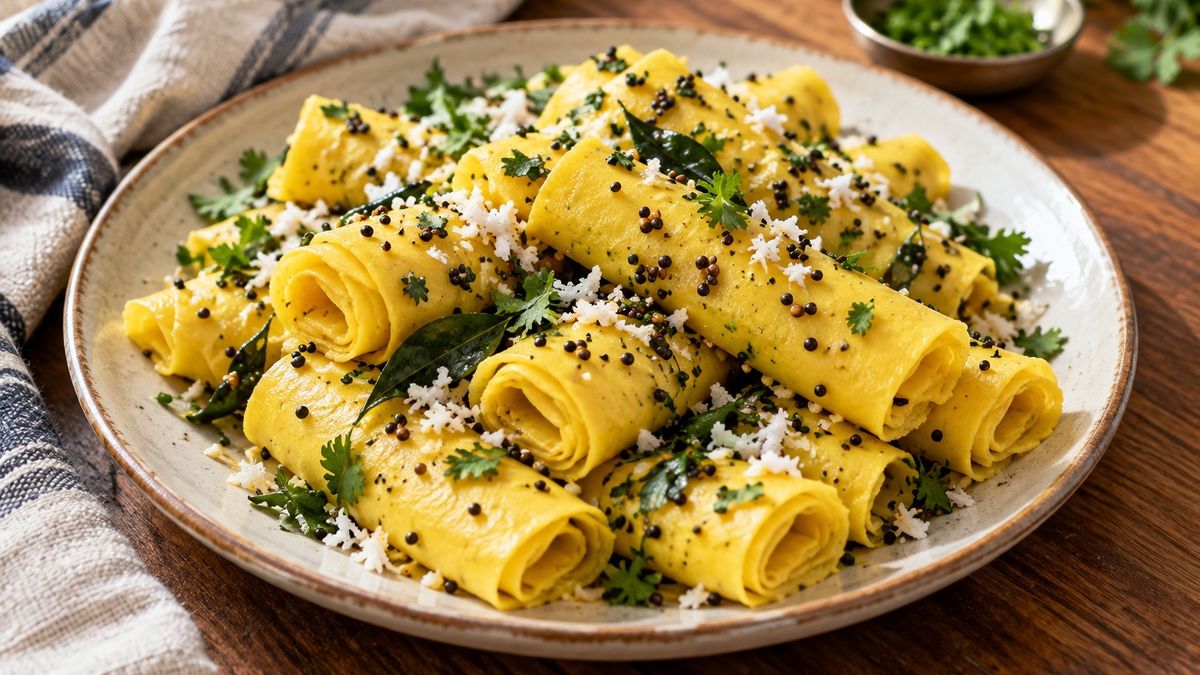
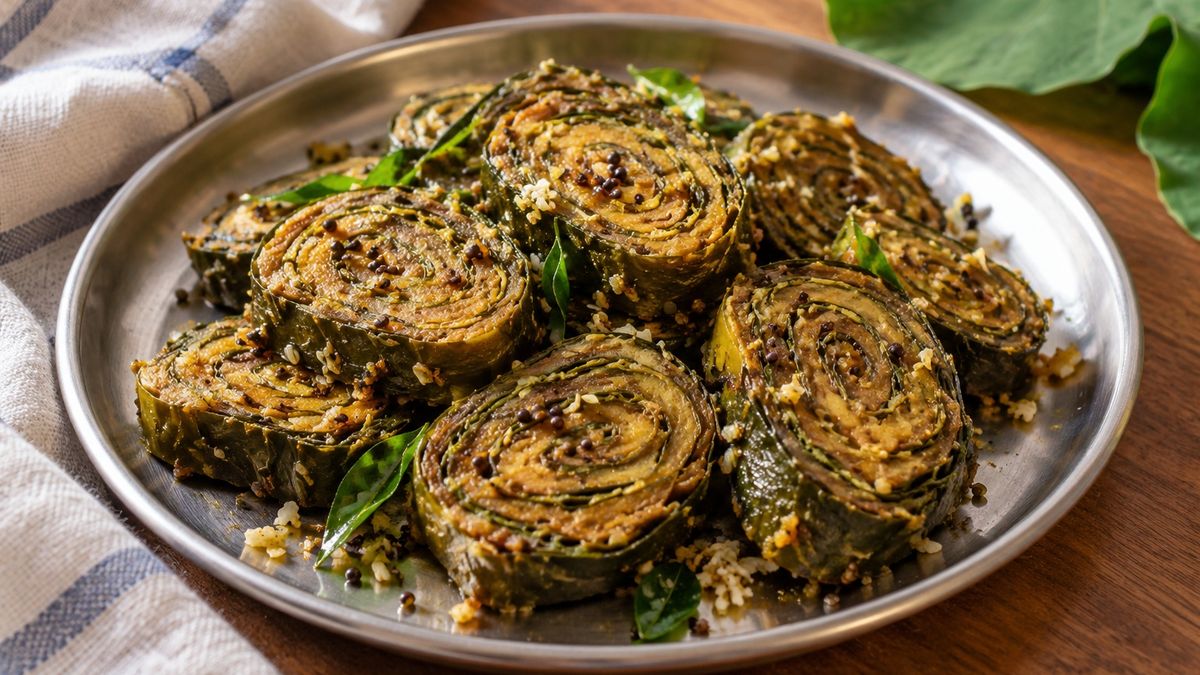
Patra are rolls of colocasia (taro) leaves layered with a sweet, sour and spicy gram-flour paste, then steamed and sliced. They are usually finished with a sesame tempering or shallow-fried until crisp, and are a favourite in Gujarati homes through the monsoon and winter.
Ingredients
Tap an ingredient to tick it off while you shop or measure.
- 8-10 colocasia (taro) leaves
- 1½ cups gram flour (besan)
- 2 tbsp tamarind pulp
- 2 tbsp jaggery
- 1 tsp ginger-chilli paste
- ½ tsp turmeric, 1 tsp coriander-cumin powder, salt
- Tempering: oil, mustard seeds, sesame seeds, asafoetida
- Grated coconut and coriander
Method
- Trim the thick veins from the back of each leaf, wash and pat dry.
- Mix the gram flour, tamarind, jaggery, spices and a little water into a thick, spreadable paste.
- Lay a leaf face down, spread paste over it, place another leaf on top and repeat for 3-4 layers.
- Fold in the sides and roll up tightly.
- Steam for 20-25 minutes, cool, then cut into slices.
- Toss the slices in a tempering of mustard seeds, sesame seeds and asafoetida, and finish with coconut and coriander.
Tips
- Enough tamarind is essential; too little and the leaves leave a scratchy feeling in the throat.
- Roll tightly or the slices fall apart.
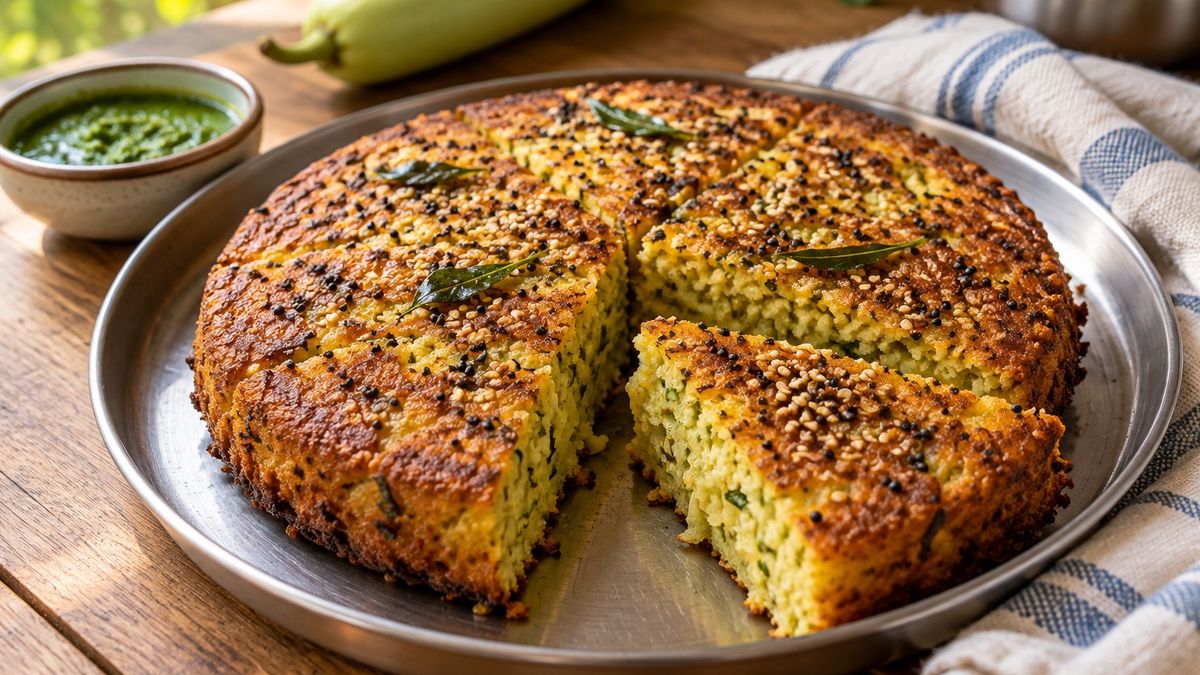
- Next-day patra are excellent shallow-fried until crisp.
Storing and reheating
Steamed rolls, before tempering, keep four days in the fridge and a month in the freezer, which is the real convenience of patra. Tempered patra keep two days in the fridge, though the sesame and coconut absorb moisture and soften. To serve again, shallow fry the slices on a tawa with a little oil. Let the steamed rolls cool completely before you slice or refrigerate them.
What you can swap
- Where taro leaves are not available, large amaranth or rajgara leaves are used, but they are thinner, so layer only two at a time and cut the steaming to fifteen minutes.
- Three tablespoons of lemon juice or half a teaspoon of amchur can replace the tamarind. You lose tamarind's depth but keep the acidity, which here is not only about flavour.
- Sugar works instead of jaggery, but it is the jaggery-tamarind pairing that gives patra its character. With sugar, use slightly more.
- Two tablespoons of curd in the paste helps it grip the leaf, so the roll does not split as you shape it.
What to serve with it
A Gujarati farsan: with morning tea, on the thali when guests arrive, and at wedding meals. In many homes a couple of slices sit beside the dal and rice. Green chutney suits it, though patra already carries its own sweet-sour balance and needs nothing.
Mistakes to avoid
- Do not make the paste thin. It should be thick enough to spread with a knife. Thin paste slides off the leaf and pools at the bottom of the steamer.
- Do not spread it thick, either. A thin, even layer is what you want; a thick one stays raw in the middle and crumbles when sliced.
- Do not slice the rolls while hot. The knife drags and the slices fall apart. Give them at least twenty to thirty minutes to cool.
- Do not taste the raw leaf. It irritates the throat. Only the acidity and the full steaming settle that, so do not cut the steaming time short.
Questions people ask
Why does patra make my throat itch?
Either the paste did not have enough acidity or the rolls were under-steamed. That property of taro leaves goes only with tamarind or lemon and enough steam. If it happens, sprinkle a little lemon juice over the slices while tempering and cook them two minutes longer.
My rolls come apart in the steamer. What can I do?
The roll was loose or the paste too thin. Use a thick paste, roll tightly, and chill the roll for ten minutes before steaming so it firms up. You can also tie it loosely with thread in two places.
Can I use ready-made patra from a tin?
When fresh taro leaves are hard to find, many homes do use tinned patra, but those are already steamed and spiced, and only need slicing and tempering. This recipe is for fresh leaves, where the paste and the layering are your own.