Samosaસમોસા
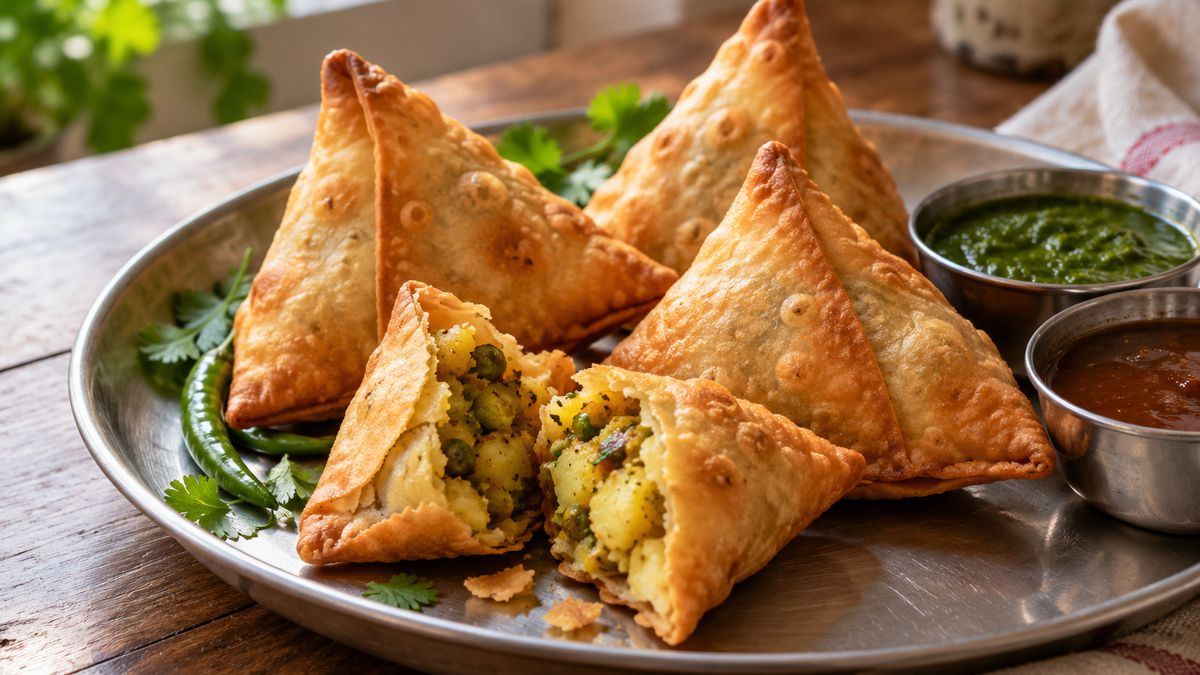
A crisp, flaky shell around spiced potato and peas. Homemade samosas are a weekend job rather than a weekday one, but the difference from shop-bought ones is worth the hour.
Ingredients
Tap an ingredient to tick it off while you shop or measure.
- Pastry: 2 cups plain flour, 4 tbsp oil or ghee, ½ tsp carom seeds, salt
- Filling: 4 boiled potatoes, ½ cup green peas
- 1 tsp ginger-chilli paste, cumin, asafoetida
- Coriander-cumin powder, garam masala, dried mango powder, salt
- Coriander
- Oil for deep frying
Method
- Rub the oil, carom seeds and salt into the flour and knead a firm dough with as little water as possible. Rest 30 minutes.
- Temper cumin and asafoetida, sauté the peas and ginger-chilli, then add mashed potato and spices and cook 5 minutes. Cool completely.
- Roll an oval, cut in half, shape each half into a cone, fill and seal the edges with water.
- Fry on low heat for 12-15 minutes, letting them turn golden slowly.
- Serve with chutney and tea.
Tips
- Slow frying is what gives the blistered, flaky crust; hot oil makes them bubble and go soft.
- Always fill with completely cooled filling.
Storing and reheating
Shaped raw samosas freeze for a month. Box them with butter paper between the layers and fry them straight from frozen on low heat, without thawing. Fried samosas keep a day at room temperature; in the fridge the pastry goes leathery. To re-crisp them, give them eight minutes in a 180C oven, never the microwave.
What you can swap
- Half the plain flour can be wholewheat. The pastry is sturdier but loses its flakiness and drinks more oil while frying.
- No amchur? Half a teaspoon of lemon juice stirred in off the heat, or crushed anardana. The filling needs that sourness or it tastes flat.
- Instead of peas use boiled sweetcorn or finely diced paneer. If you add onion, fry it until its moisture has gone, or the filling turns wet.
- Ghee in the dough gives a richer, more crumbly pastry. Oil gives a slightly firmer one that keeps better, which matters if they will sit out for a day.
What to serve with it
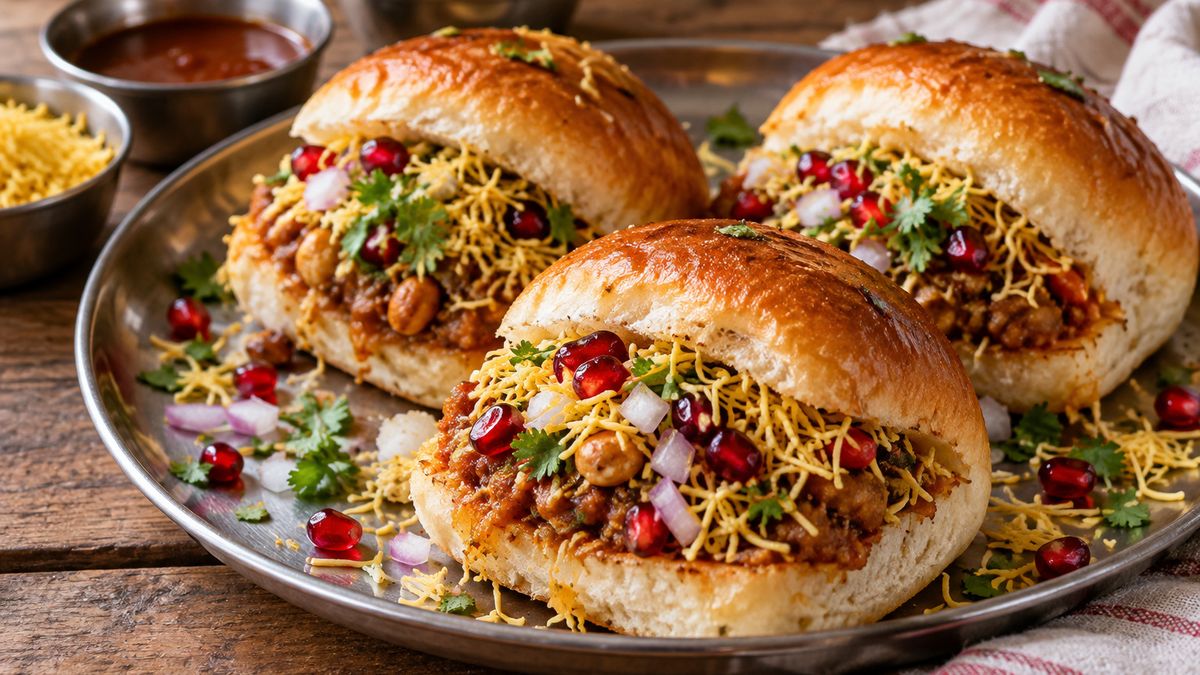
With tea at four o'clock, the most familiar snack in any Indian home, served with green chutney and sweet date-tamarind chutney. They also go into a pav as samosa-pav, or get broken up with curd and chutney as samosa chaat. Homes make them for guests and at festivals.
Mistakes to avoid
- Do not make a soft dough. It should be noticeably firmer than puri dough. Soft dough balloons into bubbles in the oil instead of flaking.
- Seal the base of the cone properly. Filling escaping there clouds the oil and spoils the rest of the batch. Wet the edge and press it closed with your fingers.
- Do not mash the potato into a paste. Leave rough chunks so each bite has distinct pieces of potato in it.
- Do not crowd the kadhai. Every extra samosa drops the oil temperature and they end up heavy with absorbed oil. Four or five at a time, with space between them.
Questions people ask
Why do bubbles form on the pastry?
Either the dough was too soft or the oil too hot. You need a firm dough and low heat. It also helps to leave the shaped samosas uncovered for ten minutes before frying, which dries the surface slightly and keeps the blisters away.
Why do my samosas go soft after frying?
The heat was too high, so the surface coloured while the pastry stayed raw inside, and the trapped steam then softened it. Twelve to fifteen minutes on low is what it takes. Drain them on a rack rather than piling them on a plate.
Can samosas be baked or air fried?
They can, but they will not be the same. Brush with oil and bake at 200C for twenty-five minutes, turning once. The pastry crisps but never flakes, because the separation into layers only happens in deep oil.