What to cook when it rainsચોમાસાની વાનગીઓ
The first proper rain falls and the kadhai comes out in every Gujarati kitchen. But the monsoon is not an easy season to cook in: the air is heavy with moisture, gram flour cakes in the tin, papad lose their snap, and washed vegetables make hot oil spit. This page covers both sides of it, why this is frying weather and how to keep a kitchen working through four wet months.
Why fried food suits the weather
There is nothing mysterious about it. The air turns cool and damp, plans are cancelled, everyone stays in, and hot food becomes the obvious thing to want. Gota or bhajiya straight out of the oil with strong ginger tea is what a wet evening asks for, and no other dish quite replaces it. The second reason is seasonal produce. Monsoon is when methi greens are at their best, when corn appears, and when green chillies are cheap, so methi na gota and chilli bhajiya are what the market is pushing you towards anyway. The third is that fried food has to be eaten hot, which means the whole family sits down together while it is being made. Most homes balance a fried afternoon with something plain at night, usually khichdi and kadhi.
Humidity and the flour tin
The first trouble shows up in the flour. Gram flour pulls moisture out of damp air, so it clumps in the tin and sets into lumps. Always sieve it before use, and hold back some of the water when you mix a batter, because damp flour has already taken on water of its own. Add your usual quantity and the batter comes out thin, which is the single most common reason monsoon bhajiya are not crisp. Wheat flour and semolina behave the same way, so buy smaller quantities and use them faster. Keep tins on a high shelf rather than on the floor or next to the sink. And the spoon that goes into the tin must be bone dry, because one damp spoon will ruin the whole container.
Wet vegetables and hot oil
This deserves the most care of anything on this page. Water hitting hot oil turns instantly to steam and throws the oil out of the pan, which is how most kitchen burns happen. So washed methi or spinach should be drained in a colander and then spread on a cloth until genuinely dry. Wipe sliced potato, onion and chilli with a cloth before they go anywhere near the kadhai. Whole chillies for frying must be slit and dried carefully, since a wet chilli bursts in oil. Dry the slotted spoon between batches. Never fill the kadhai more than half with oil, and do not drop in too many bhajiya at once, because the temperature falls and they soak up oil instead of crisping. Keep a lid nearby, but never cover frying oil.
Storing things through the monsoon
Going through the tins before the rains start is an old habit and a sound one. Papad, chevdo, mathiya and sev all need genuinely airtight containers, so check that the lids still seal. Papad that has gone soft is not wasted: turn it on a dry tava over a low flame for a minute, or put it out on the first clear day, and the snap comes back. Many homes keep dried curry leaves or a bay leaf in the rice, dal and flour tins. Open and look into each tin every couple of weeks, and if you see any insect, check the whole container rather than picking at the top. Wrap jaggery in paper so it does not sweat, and buy in small amounts this season rather than stocking up for the month.
Washing greens, and balancing the day
Monsoon greens are the best of the year and also the grittiest. Wash methi, spinach or tandaljo in a big bowl of water two or three times, changing the water each time, and lift the leaves out of the water rather than tipping the bowl, so the settled grit stays behind. Pull out anything yellow, limp or slimy. Dry the leaves completely before cooking or refrigerating them, because wet greens turn within two days. Most households also think about the shape of the whole day rather than one dish: if the afternoon was fried, dinner is khichdi and kadhi, plain mung dal or rice, with ginger and mint tea. It keeps a long wet day from feeling heavy.
Questions people ask
Why are my bhajiya not crisp in the monsoon?
Usually the batter is too thin. Damp gram flour has already absorbed water from the air, so adding your usual amount leaves the batter loose. Sieve the flour and hold back some water. The other two causes are oil that is not hot enough and too many pieces going in at once; when the temperature drops, the bhajiya absorb oil instead of crisping.
My papad and chevdo have gone soft. Can I save them?
Yes. Turn papad on a dry tava over a low flame for a minute on each side, or put them out on the first clear sunny day. For chevdo, stir it in a dry kadhai on a low flame for two or three minutes, then cool it completely before it goes back in the tin. Packing it warm traps steam and softens it again.
How should I store flour and spices through the rains?
Airtight containers on a high shelf, away from the sink and the stove. Use a dry spoon every time and do not leave the spoon sitting inside the tin. Buy small quantities so stock turns over quickly. Dried curry leaves or a bay leaf in the rice and dal tins is a common practice. Open and check everything every couple of weeks.
The first rain falls and oil goes on the stove in every Gujarati kitchen. These are the dishes that appear on wet evenings.
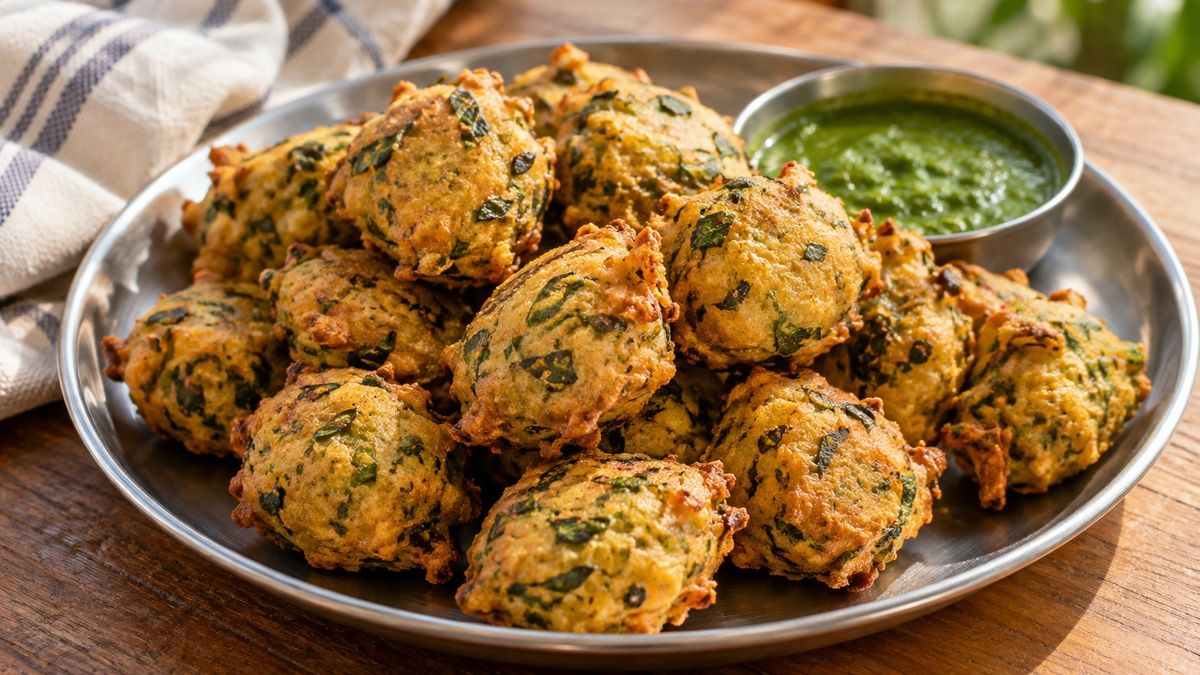 Methi na GotaThe taste of the monsoon, with fried chillies and kadhi.
 BhajiyaOnion, potato or chilli, whatever is in the house.
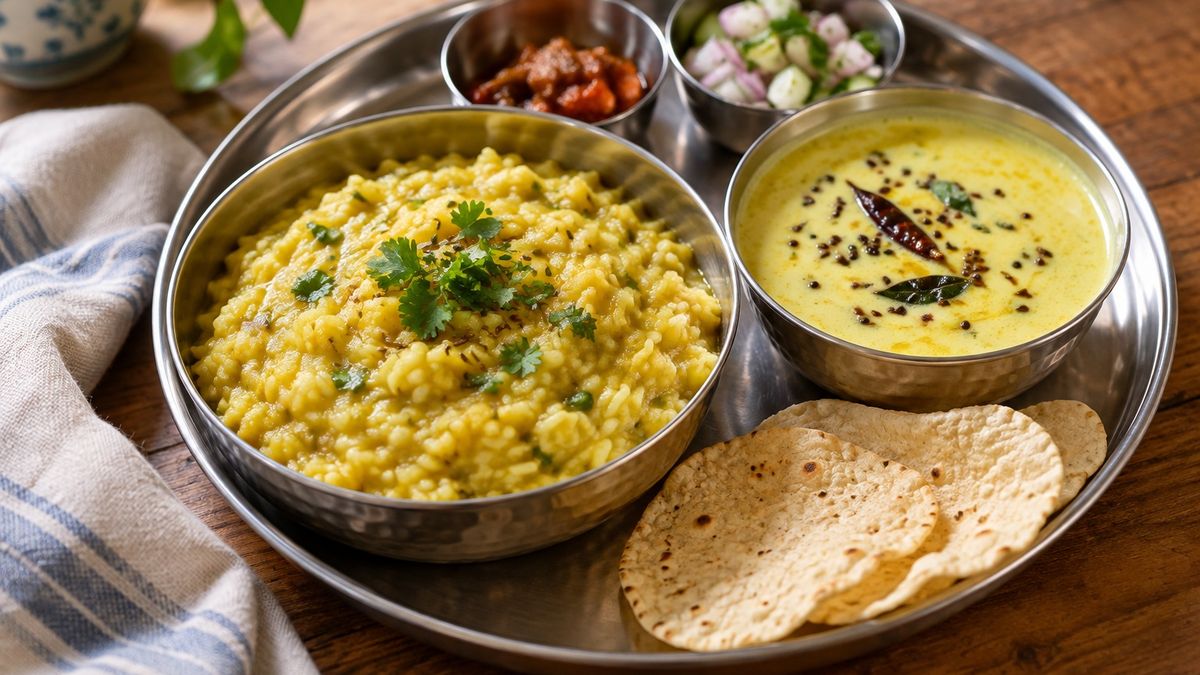 Khichdi KadhiThe best dinner after an afternoon of fried food.
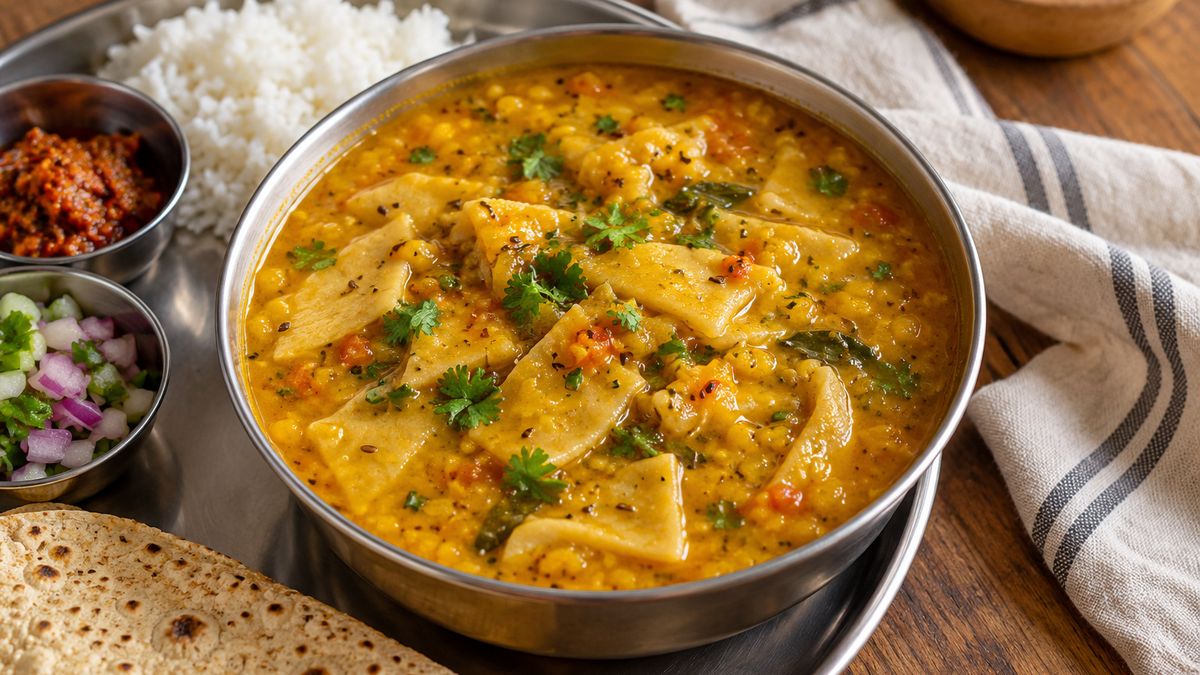 Dal DhokliHot, sweet-sour and filling on a cold, wet evening.
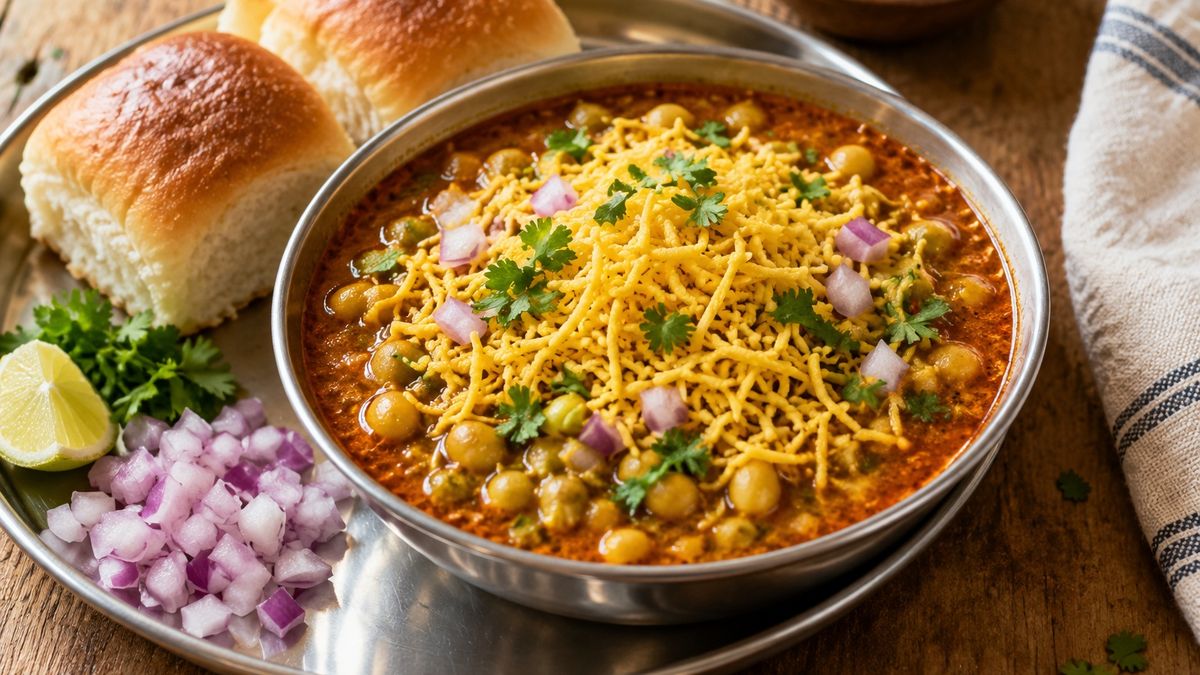 Sev UsalIf you like it spicy, nothing beats this in the rain.
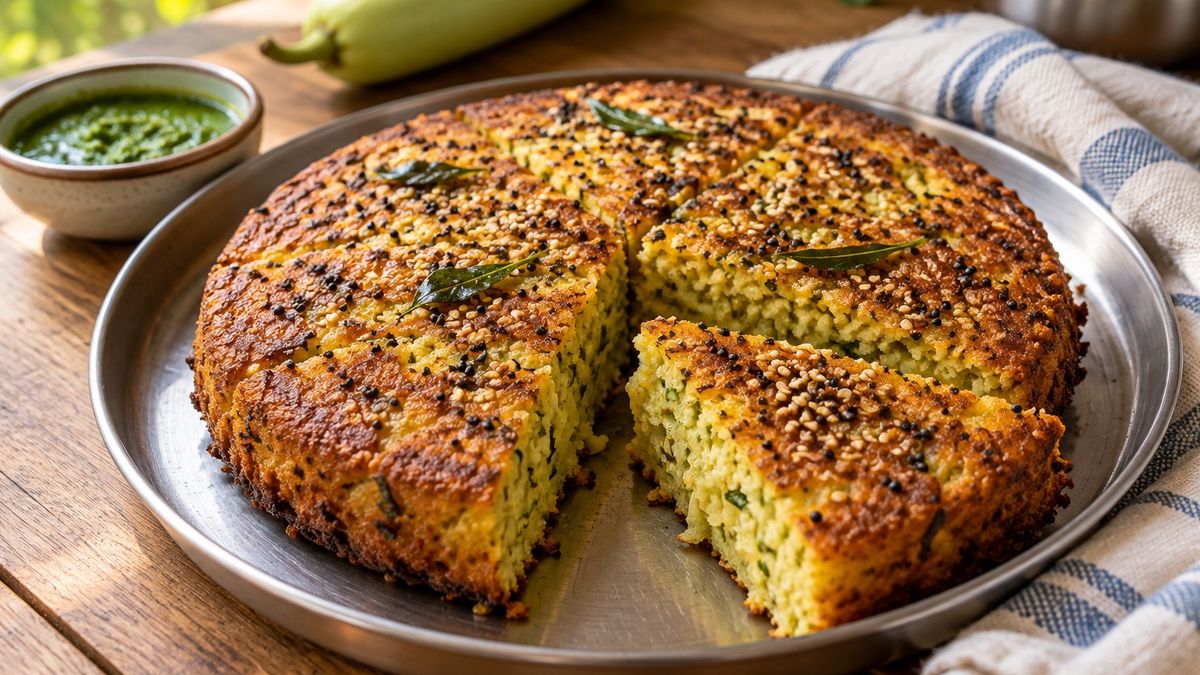 HandvoNot fried, and it keeps well through a long tea session.
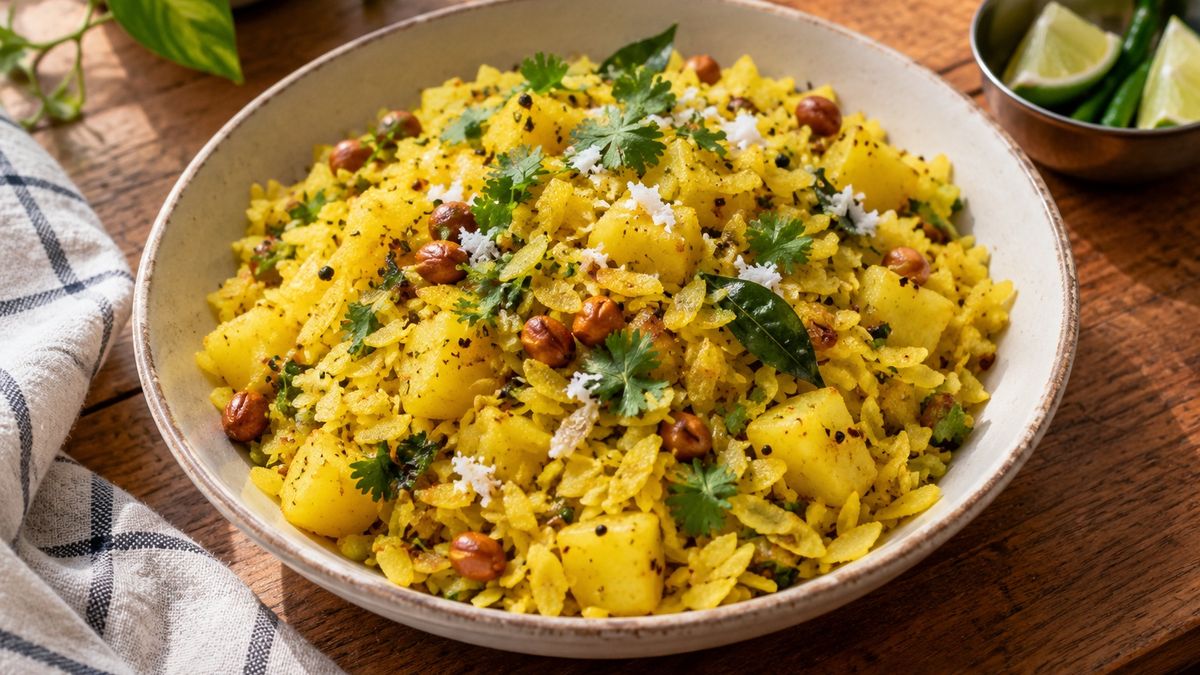 Bataka PohaWarm poha and tea on a rainy morning.
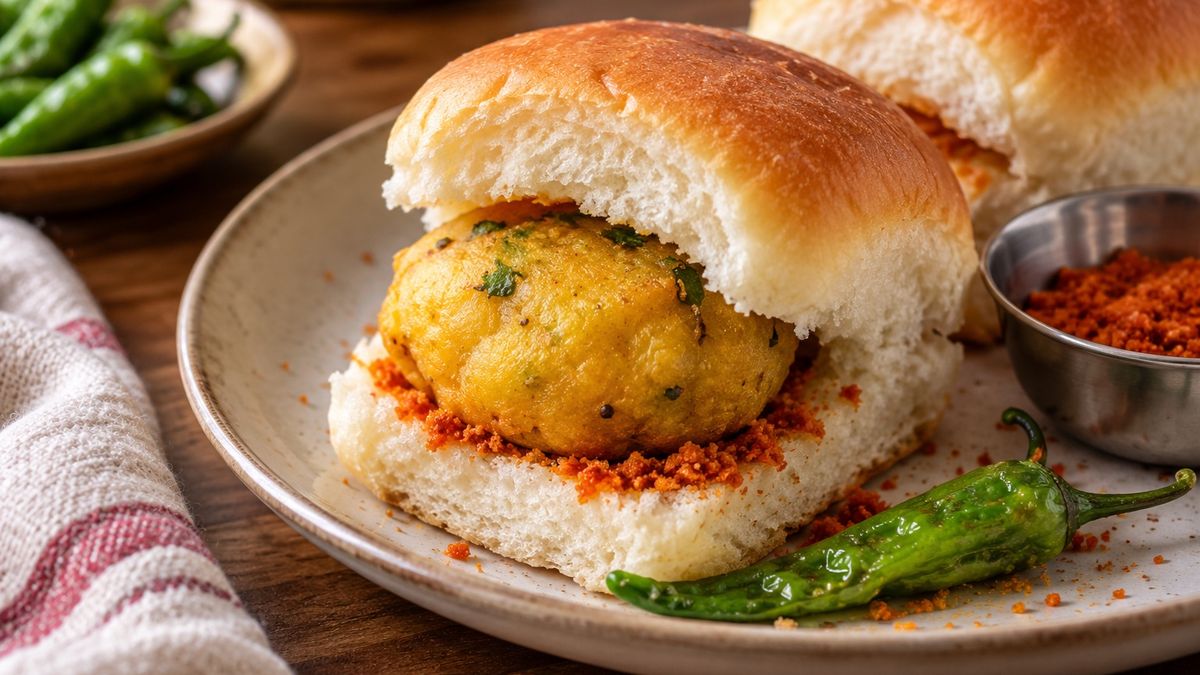 Vada PavFor the evenings when you don't want to step outside.
And don't forget the ginger and mint tea.