Quick Gujarati snacks20 મિનિટમાં બનતા નાસ્તા
It is five in the afternoon, the children are back from school, hunger has arrived and nobody wants to start cooking. Quick snacks only work if the house is stocked for them and a little preparation has already happened on a calmer day. This page sets out what genuinely can be made in under fifteen minutes, what cannot, and what to keep in the kitchen so that speed is actually possible.
What can honestly be made in fifteen minutes
The test is simple: if a dish needs soaking, fermenting or resting, it is not a fifteen-minute dish. Bataka poha is the clearest winner. Rinse the poha in a sieve, drain, temper, cover, and it is done in ten or twelve minutes. Bhel needs no stove at all, just puffed rice, sev, onion, tomato and chutney. Upma takes ten minutes, but only if the semolina was roasted in advance. Sev tameta is genuinely an eight-minute sabzi and makes a proper meal with rotli. Vegetable sandwiches, masala toast and assembled dahi puri belong in the same group. What they share is a shape: heat oil, temper, add the main ingredient, cover for two minutes, serve. There is no point in the process where you have to wait.
What cannot be rushed
Knowing this list matters just as much, because the usual way an evening goes wrong is starting something that was never going to be quick. Dhokla, idada and handvo batters need eight to ten hours of fermentation and there is no shortcut. Khaman needs no fermentation, but whisking and steaming still take twenty-five to thirty minutes, so it is a half-hour dish, not a fifteen-minute one. Puri, fafda and gathiya need dough that has rested and then frying in batches. Even bhajiya for four people is twenty minutes of standing at the kadhai once you count the second and third batch. Undhiyu, dal dhokli and chhole are hour-long cooking. When you are short of time, a bowl of sev-mamra beats a half-finished dish.
What to keep in the house
Quick cooking depends less on skill than on what is already in the cupboard. For dry goods: poha, semolina, puffed rice, gram flour, sev, peanuts, bread and a tin of chevdo. For vegetables: onions, potatoes, tomatoes, green chillies, ginger, lemons and coriander. Curry leaves are best from a pot on the balcony; otherwise wash them, dry them properly and keep them in a box in the fridge. For spices, mustard seeds, cumin, asafoetida, turmeric, red chilli and coriander-cumin powder cover nearly everything on this page. Grind green chutney and freeze it in an ice tray, then take out a cube or two as needed. Check these boxes once a week, on the same day you shop, so you never discover the gap at five in the evening.
Small preparations that make speed possible
An hour of work on a quiet day buys you a whole week of easy evenings. Dry-roast a kilo of semolina, cool it completely and store it in a tin; upma then becomes a ten-minute dish for weeks. Grind ginger and chilli together, cover the surface with a little oil and keep it in the fridge. Roast and skin peanuts and keep them separate. Tamarind-date chutney made once lasts a week and turns bhel and puri into something better. Grated coconut freezes well. Do not chop onions the night before, because the smell takes over the fridge; give them two minutes in the moment instead. And when you wash up at night, leave the kadhai and the tempering ladle where you can reach them.
The mistakes that come from hurrying
Three things go wrong when you rush. First, over-rinsed poha. Tip it into a sieve, run water over it and drain immediately; leaving it sitting in water turns it to paste. Second, oil that was not hot enough. Drop in one mustard seed before you commit the rest of the tempering, and if it does not crackle, wait. Tempering made in lukewarm oil leaves the whole dish tasting raw. Third, crowding the pan. Tip everything in at once and the temperature collapses, so food that was supposed to fry ends up steaming in its own moisture. When you are short of time, choose one dish and do it properly. One finished dish is better than two half-made ones.
Questions people ask
My poha turns out either mushy or dry. What am I doing wrong?
Mushy poha means too much water. Rinse it in a sieve and drain at once rather than soaking it in a bowl. If it stays dry and hard after tempering, sprinkle two or three spoons of water over it, cover, and leave it on a low flame for three minutes so the steam softens it. Thin poha often needs only a sprinkling, not a rinse.
What quick snack will children actually eat?
If there is bread in the house, a vegetable sandwich or masala toast is fastest. Keep the chilli low, use a thick chutney so the bread does not go soggy, and add cheese if you have it. Beyond that, bataka poha, a dry sev-mamra bhel, or roasted peanuts with milk all work. Serve anything new alongside one familiar thing.
How do I make a quick snack filling enough to count as a meal?
Add something substantial to the dry base. Boiled potato, peas or roasted peanuts go into poha and upma easily. Serve bhel with a rotli or a slice of bread beside it, and give chaas or milk alongside. Sev tameta with rotli is the best example: about eight minutes of work and it eats like a full meal.
Hunger arrives at five o'clock and there is no time to cook. These dishes are ready in about twenty minutes, and most use what is already in the kitchen.
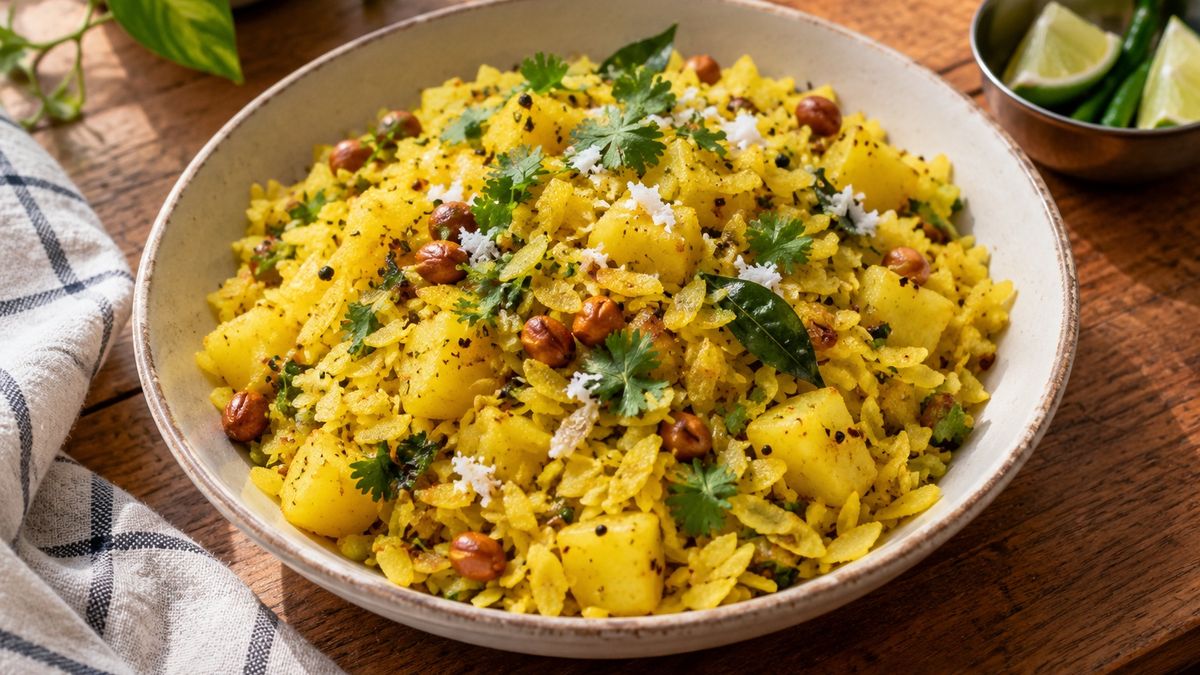 Bataka PohaNo soaking. Rinse, drain and temper. Twenty minutes start to finish.
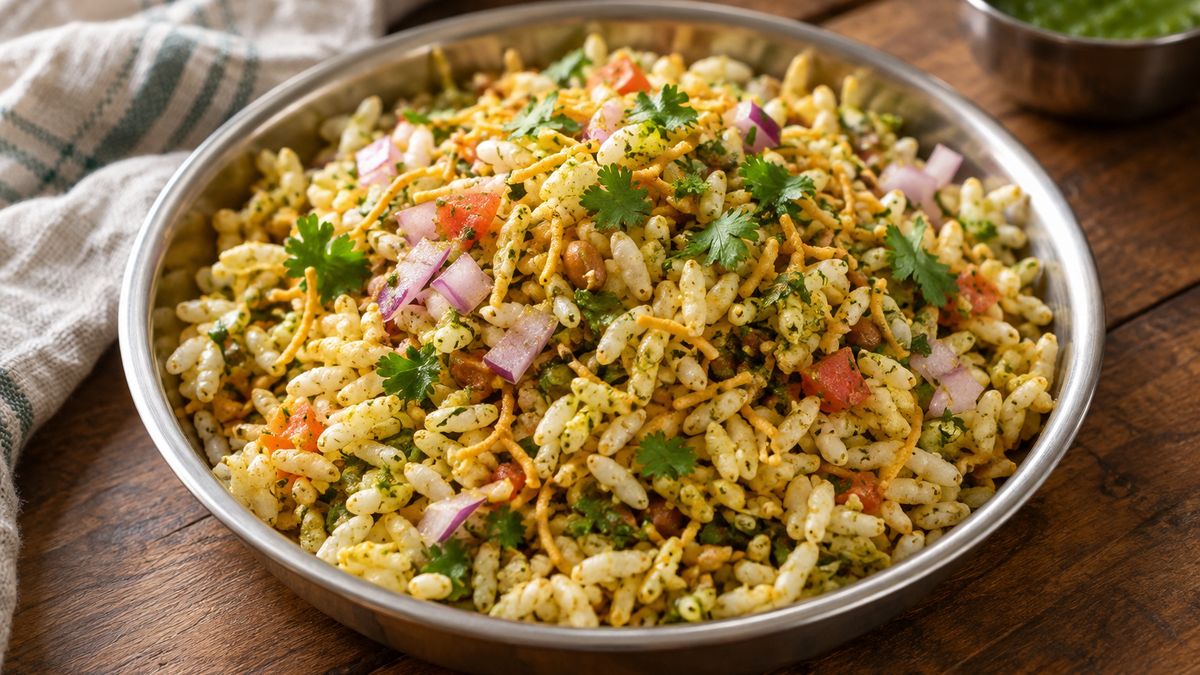 BhelNo cooking at all. Puffed rice, chutneys and whatever vegetables you have.
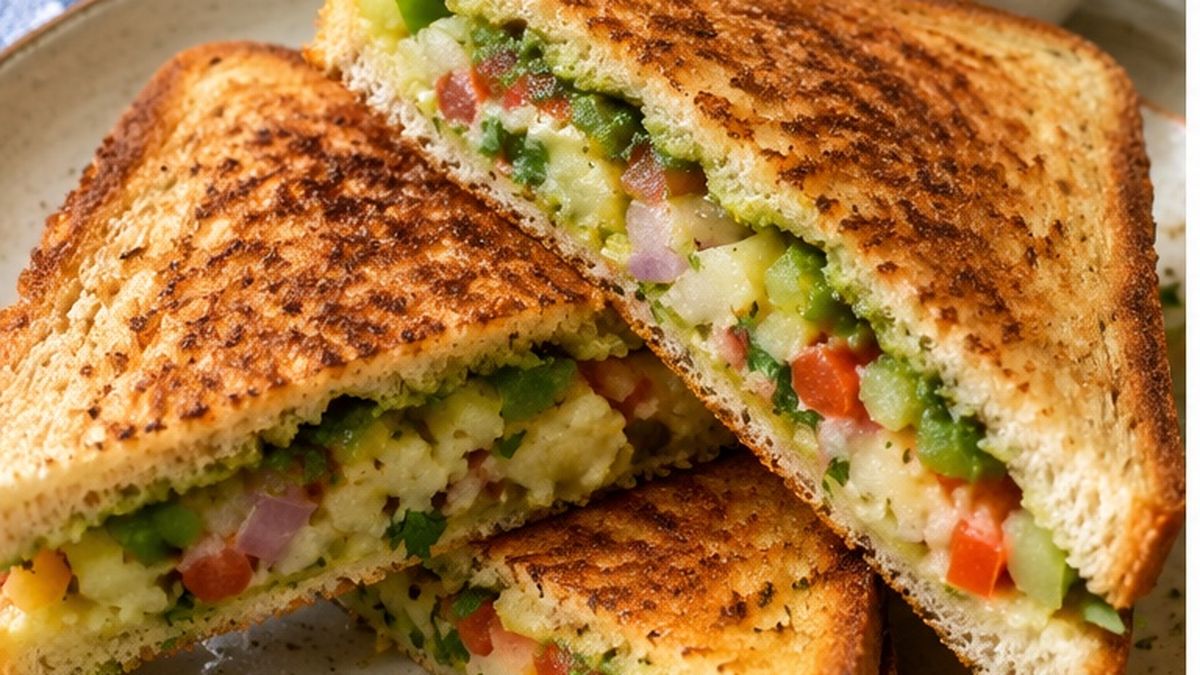 Vegetable SandwichIf you have bread and chutney, this is the fastest thing for hungry children.
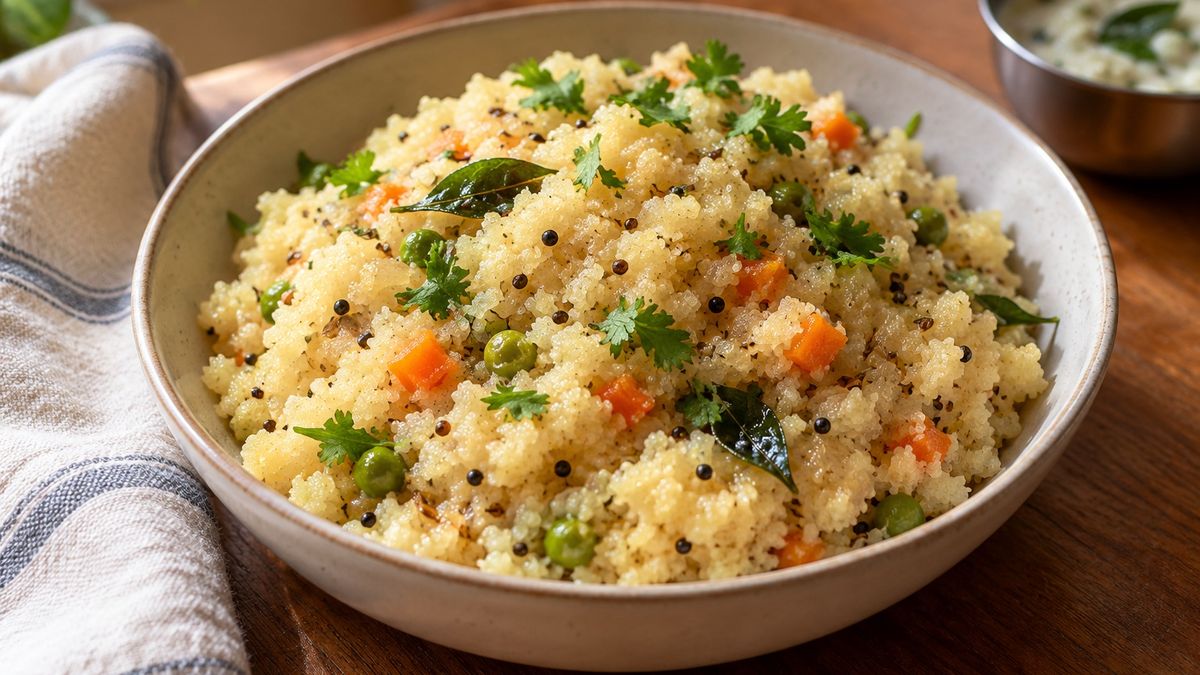 UpmaKeep roasted semolina ready and it takes ten minutes.
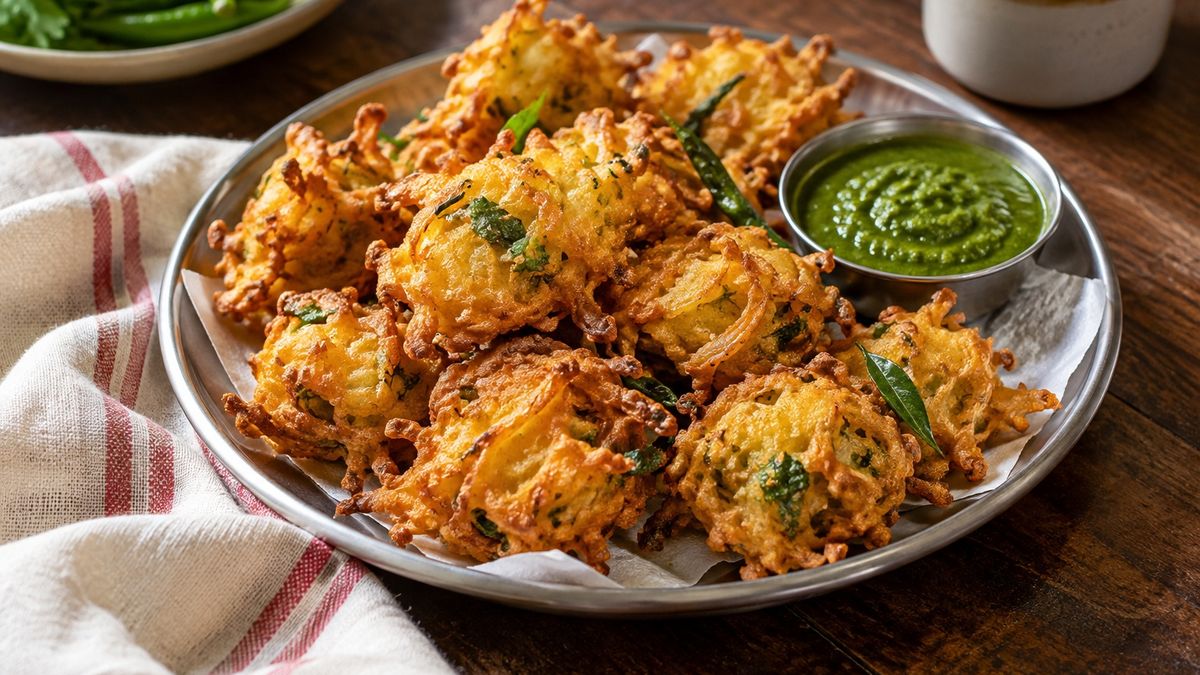 BhajiyaIn the monsoon you only need an excuse. Whisk the batter and fry.
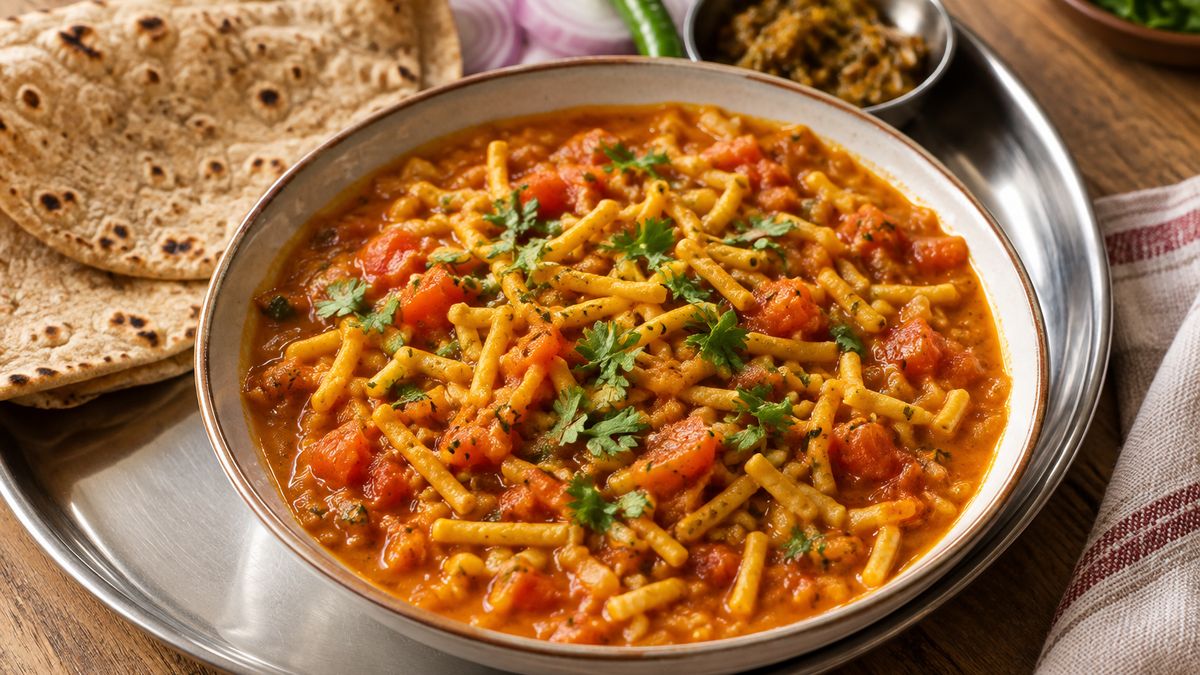 Sev Tameta nu ShaakTomatoes and sev, for the evenings when there are no vegetables in the house.
 Dahi Puri & Masala PuriWith shop-bought puris, chaat is five minutes away.
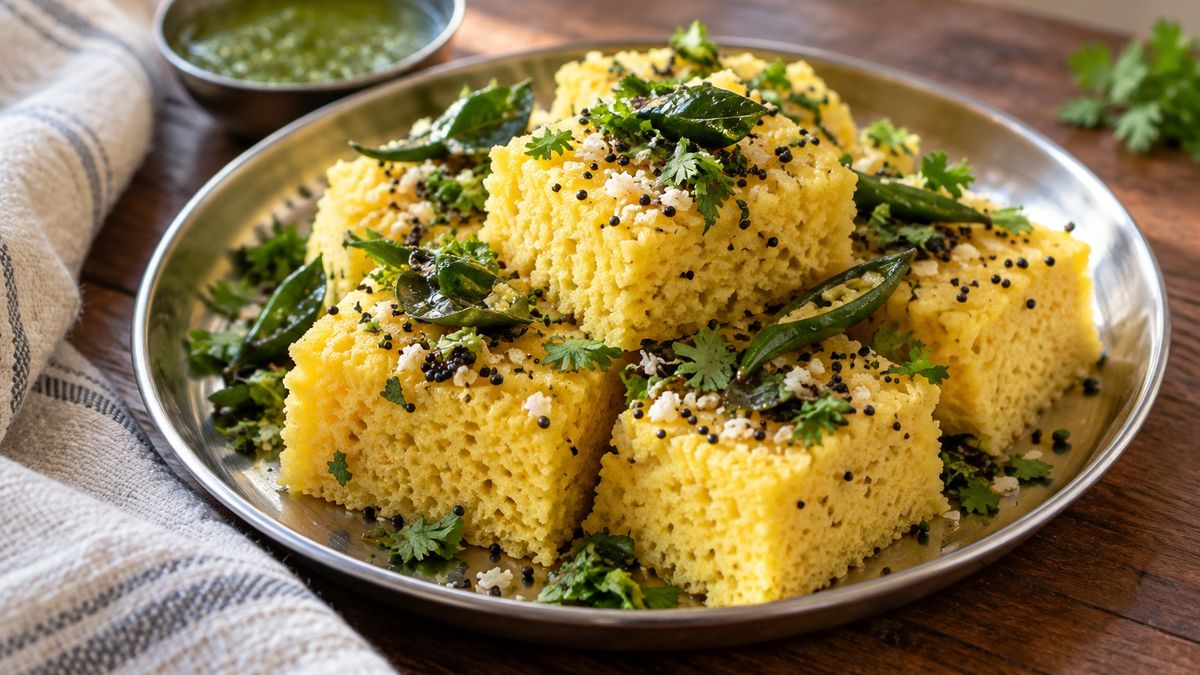 KhamanHalf an hour, but the most reliable thing to make when guests turn up.
Still can't decide? Let the thali choose for you in one tap.