Gujarati lunchbox ideasટિફિનમાં શું ભરવું?
When you are packing a steel box at seven in the morning, only one question matters: what will this be like when it is opened at noon. A lunchbox is less about recipes than about moisture, oil and temperature, which decide what survives four hours, what leaks, and what is still worth eating cold. This page works through those three things.
What actually survives four hours in a steel box
Survival comes down to moisture. Dishes that are low in water and carry enough oil or ghee hold up until lunchtime, which is why thepla, paratha, muthiya, handvo and dry sabzi win the tiffin every time. The oil forms a thin film on a rolled flatbread that keeps the moisture inside it, so it stays pliable instead of going leathery. Steamed things like muthiya and handvo never feel heavy once cooled, because there is no absorbed frying oil in them. Poha and upma travel well too, but keep them slightly wetter than you would serve at home, or they will be dust by noon. Wrap rotli in a cloth inside the box rather than in plastic; cloth takes up the steam, plastic holds it against the bread.
What does not travel, and why
Anything with yoghurt is a risk in hot weather, because it sours quickly once it is sitting in a warm bag. If yoghurt has to go, send it in its own screw-top container with an ice pack, or leave it for dinner at home. Fried farsan softens in a closed box, since its own steam has nowhere to escape; bhajiya and puri are simply not the same at lunch. Never pack gravy in the same compartment as rotli, which drinks it up within the hour. In a sandwich, a thin chutney and thinly sliced tomato both soak the bread. Cut fruit darkens. And anything crisp, like sev or crushed papad, should travel in a small separate box and be added at the table.
Packing so that nothing leaks or sweats
The first rule is not to close the lid on food that is still steaming hot. Give it two or three minutes for the steam to leave, or water will collect under the lid and drip back over everything. Equally, do not leave it standing open for a long time in warm weather. Gravy belongs in a screw-top container; never trust a push-on lid in a bag that gets swung around. Fill each compartment right to the top, because a half-full box lets the contents slide and gather on one side. A pressed sheet of butter paper keeps rotli and sabzi apart. Pickle, chhundo and chutney go in the smallest container you own. Carry the box upright in the bag rather than lying flat.
What children will actually eat cold
In a child's lunchbox, convenience beats flavour. Anything that can be eaten with one hand comes home empty: a thepla roll, a paratha cut into quarters, handvo in squares, muthiya, sandwich triangles. All of these are fine cold. Keep the chilli low but the salt slightly higher than you would at home, because cold food tastes blander than hot. Avoid bitter vegetables and anything strong-smelling, since the smell concentrates inside a closed box by midday. Cut things small; break time is short and nobody finishes a large paratha. And send one reliable favourite every day. If you are trying a new sabzi, a spoon of chhundo or two biscuits beside it makes the difference between an empty box and a full one.
The twenty-minute morning routine
Lunchboxes are packed in the morning but decided the night before. Knead the dough at night, rub a little oil over it, cover it and refrigerate. Chop the methi and grate the vegetables into boxes. If the masala for the sabzi is already mixed, the morning is only a tempering. Then work in this order: heat the tava, start the sabzi on the second burner, and roll as you go. Pack last, once the food has stopped steaming. Washing matters as much as cooking: take the rubber gasket out of the lid and wash it separately, or smells settle into it and taint the next day's food. Leave the box open to dry rather than closing it damp.
Questions people ask
Can I send yoghurt or chaas in a lunchbox in summer?
Not in an ordinary box. In heat, yoghurt and chaas turn sour within a few hours and taste noticeably different by lunch. If you need to send them, use a screw-top container with an ice pack in the bag, or an insulated flask. When in doubt, send chhundo or pickle instead; they keep without any of the worry.
How do I keep thepla soft until lunchtime?
Add yoghurt and a little oil to the dough, and knead it medium-soft rather than stiff. Cook them with enough oil on both sides, because an underoiled thepla stiffens as soon as it cools. Let them cool completely before packing, then wrap them in a cloth inside the box. Packed hot, the trapped steam makes them damp and sticky.
The lunchbox smells when I open it. What do I do?
The smell is almost always in the rubber gasket. Pull it out, scrub it with hot water and a little baking soda, and dry it fully before putting it back. Let the box air-dry open instead of stacking it damp. Rubbing the inside with a cut lemon helps too. Keep one container for strong-smelling or gravy dishes.
Packing a lunchbox at seven in the morning comes down to three things: it has to be quick, it must not leak, and it has to taste good four hours later at room temperature. These do all three.
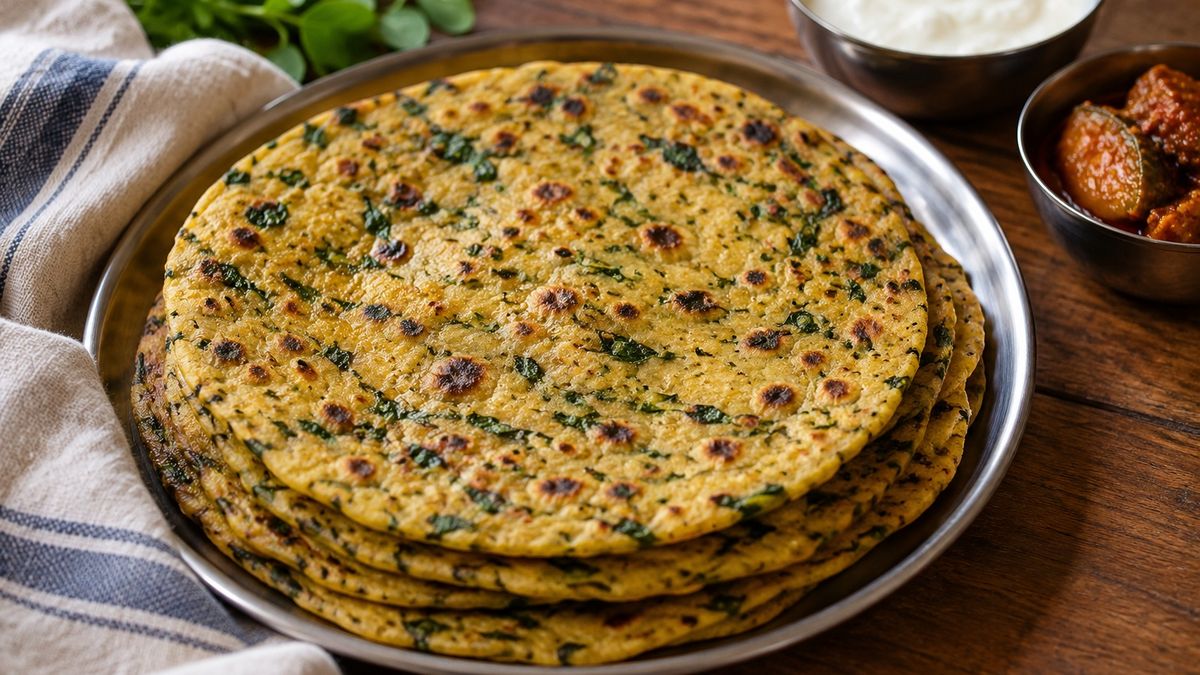 Methi TheplaThe king of the tiffin. Keeps two to three days, and needs only chhundo beside it.
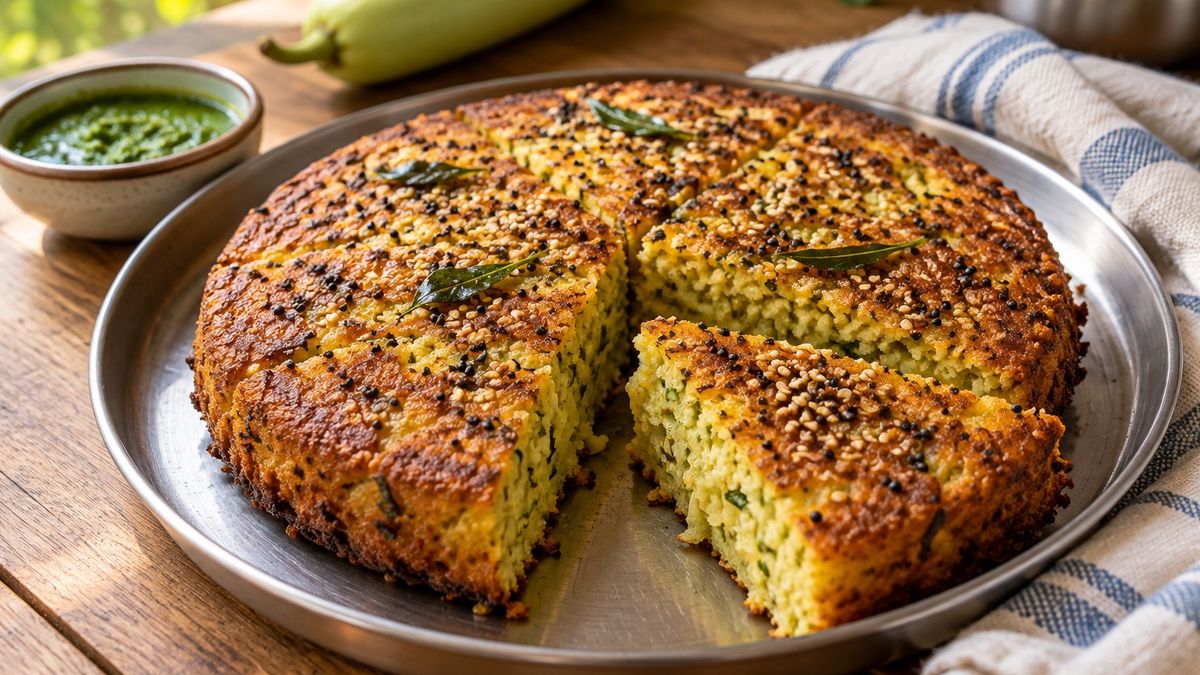 HandvoCut into squares it can be eaten by hand, with no chutney needed.
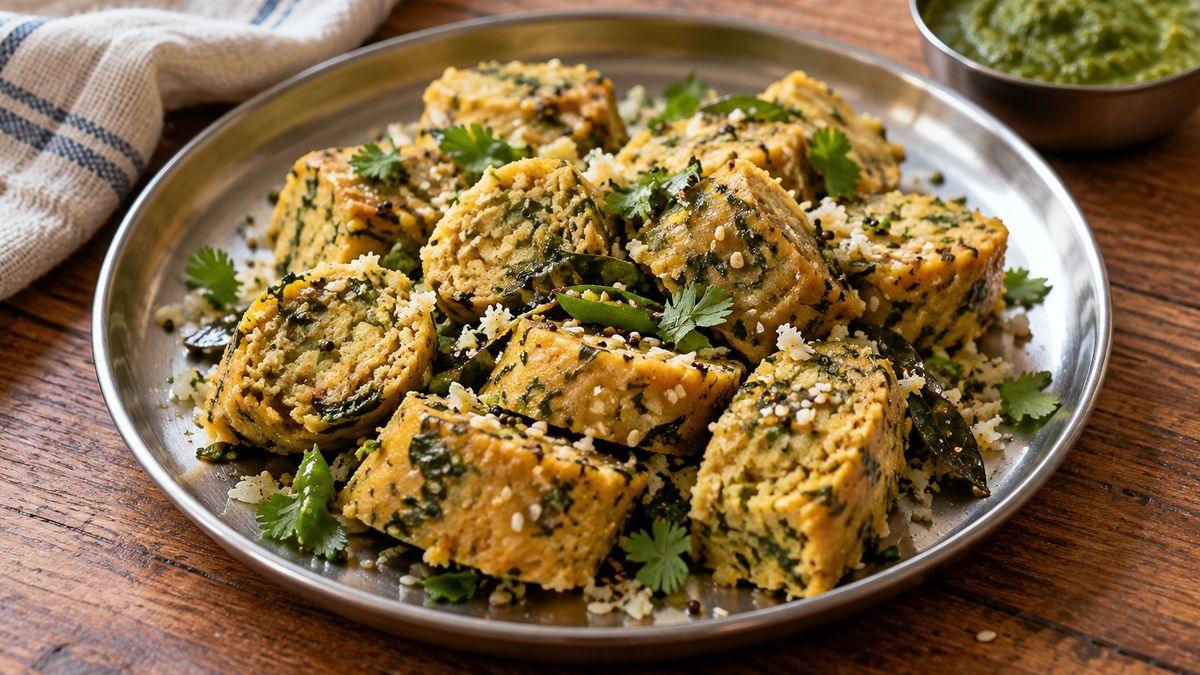 MuthiyaSteamed rather than fried, so it never feels heavy at lunchtime.
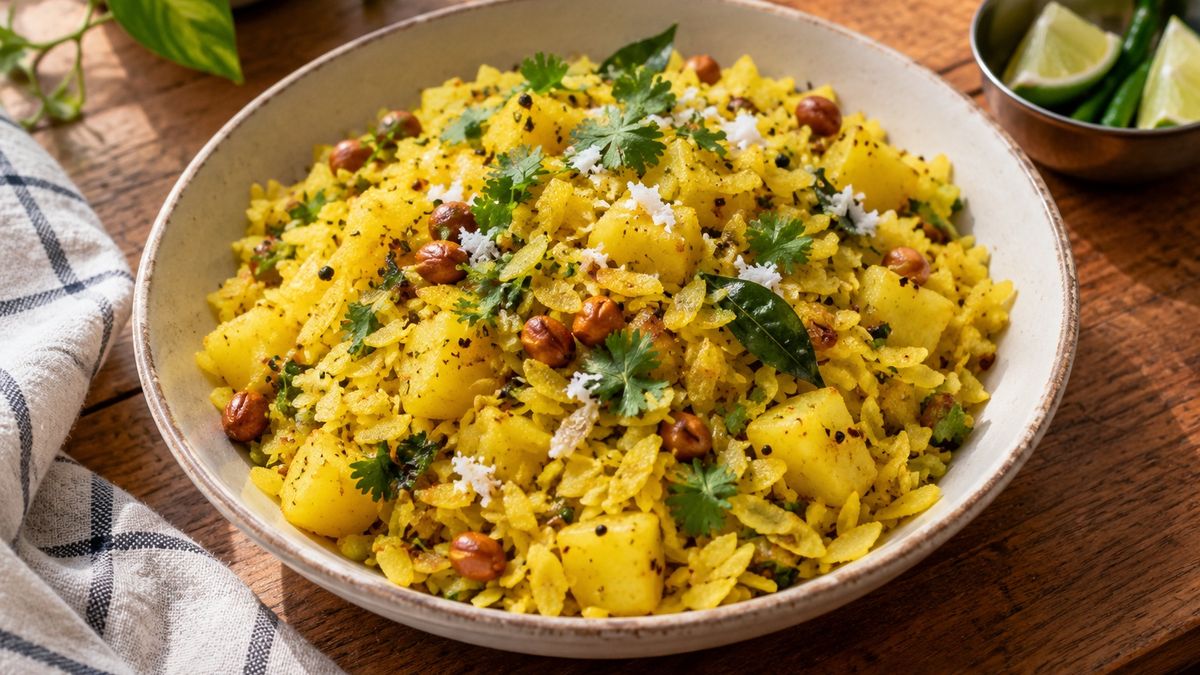 Bataka PohaTen minutes in the morning, and children actually eat it.
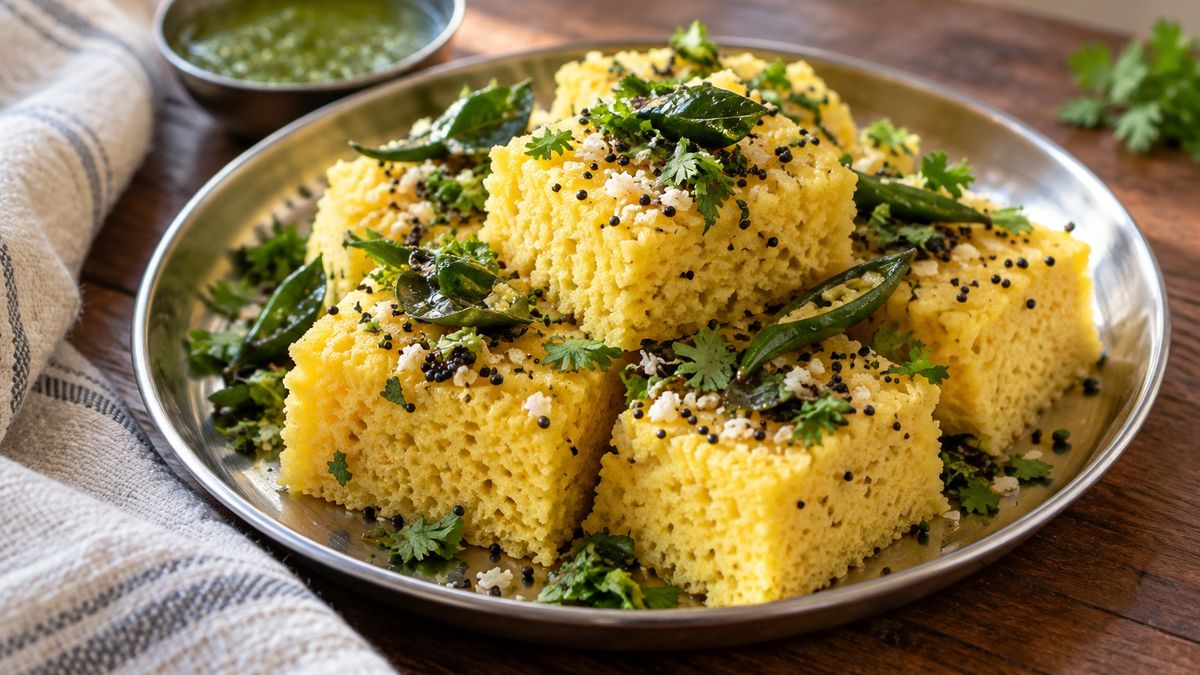 KhamanMake it the night before and only do the tempering in the morning.
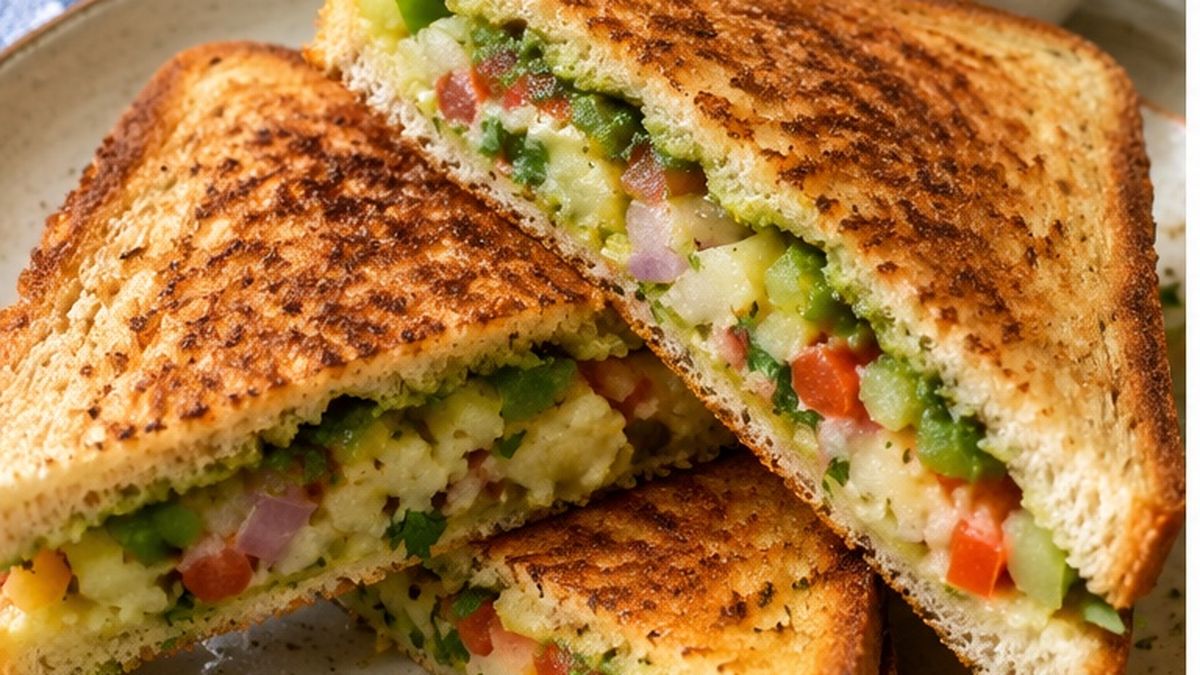 Vegetable SandwichKeep the chutney thick and the bread stays dry until lunch.
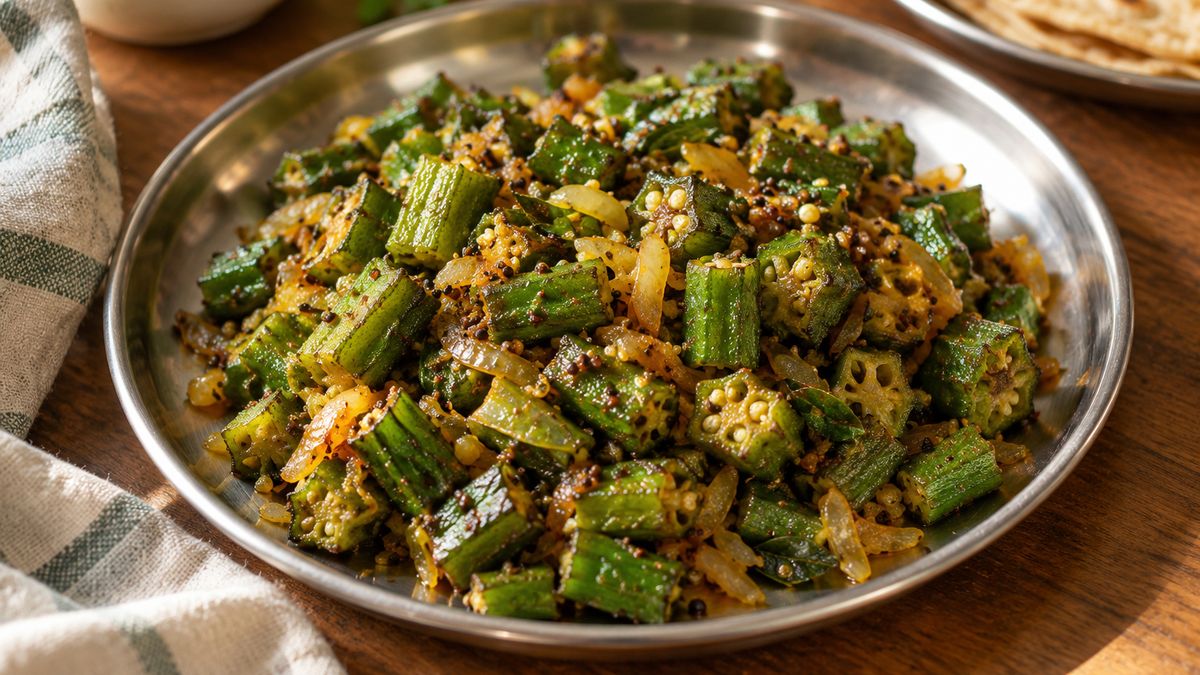 Bhinda nu ShaakA dry sabzi, so nothing leaks onto the rotli.
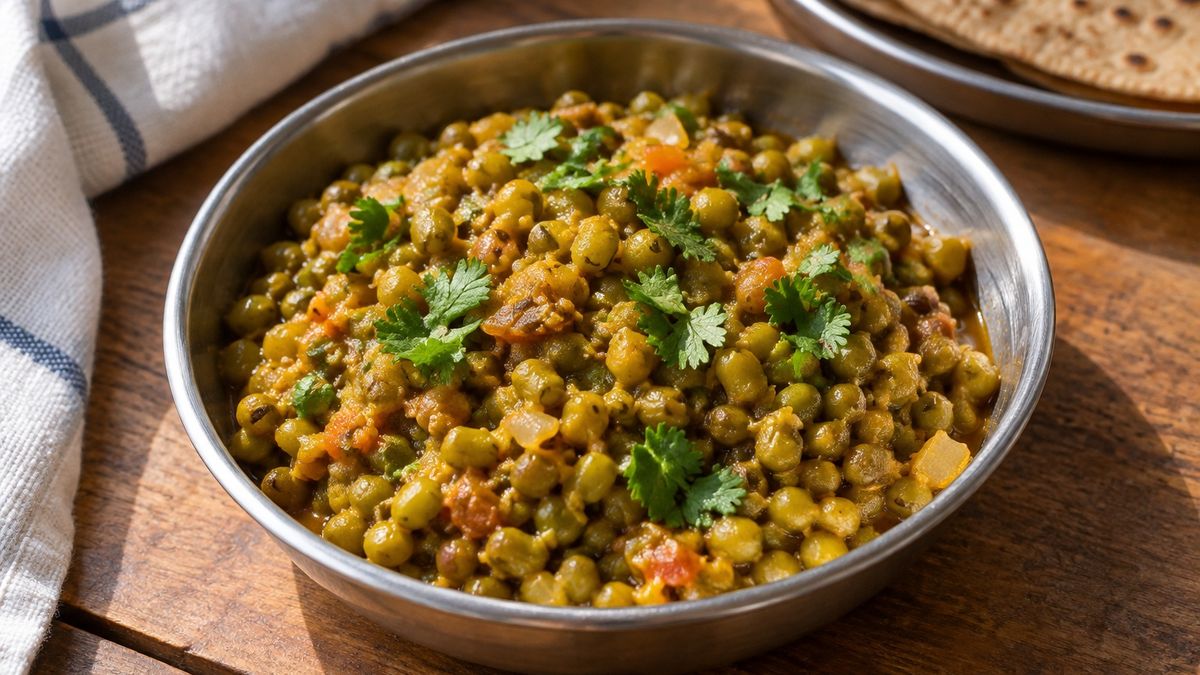 Mag nu ShaakJust 2-3 whistles, so the moong stays whole.
Add a spoon of chhundo, pickle or curd and the box is complete.