Something lighter tonight?આજે કંઈક હળવું
Gujarati food has a reputation for being heavy, but a great deal of it is steamed rather than fried, and a great deal more is built on dal and pulses. These are the dishes on the site cooked that way, with the one thing worth knowing before you start each.
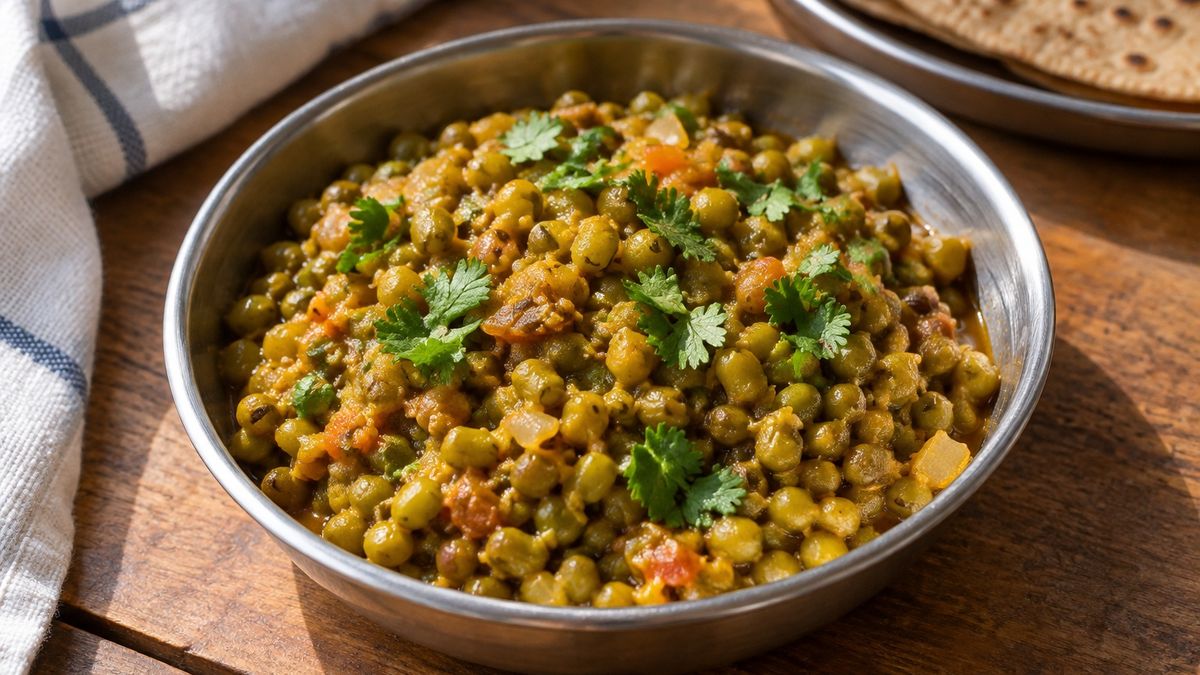 Mag nu ShaakSteamedJust 2-3 whistles in the cooker, so the moong stays whole
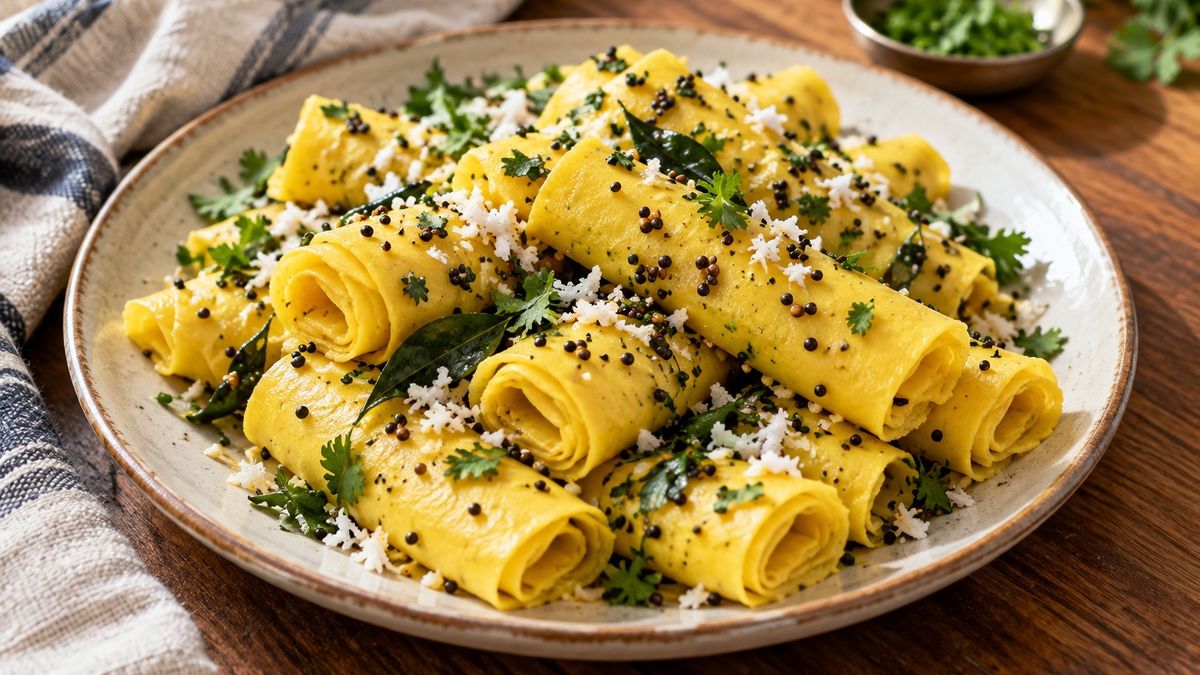 KhandviSteamedSpread a spoonful; if it rolls in 30 seconds, it is done
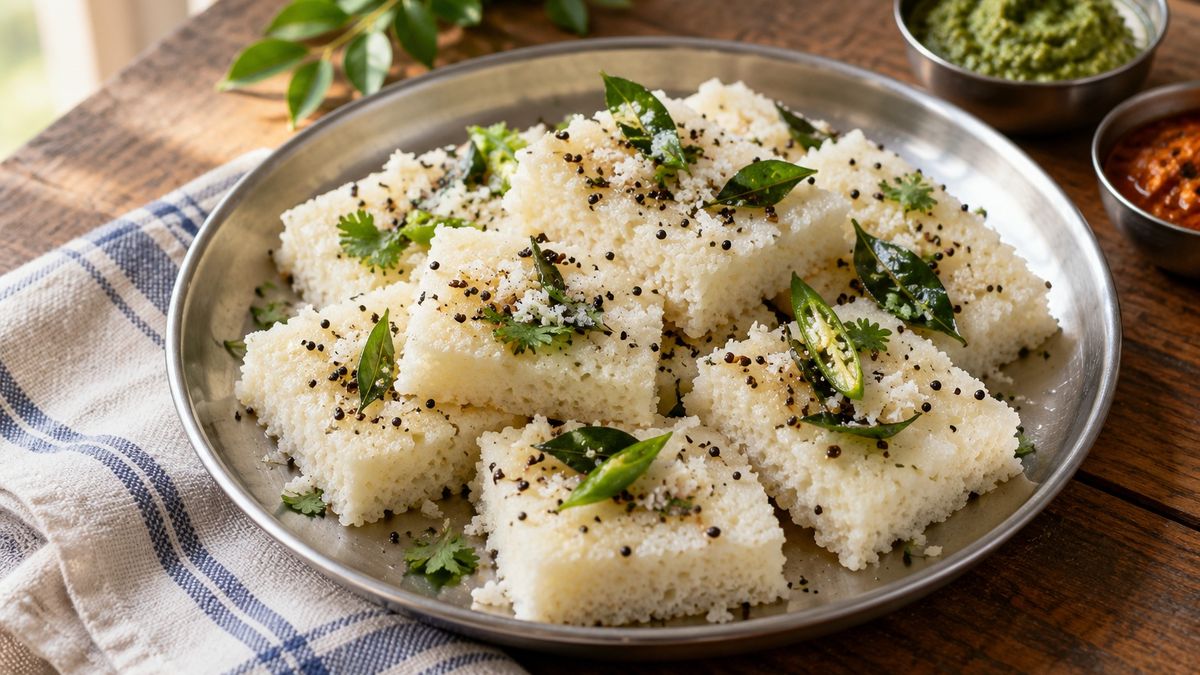 IdadaSteamedNever sweetened — that is what parts idada from khaman
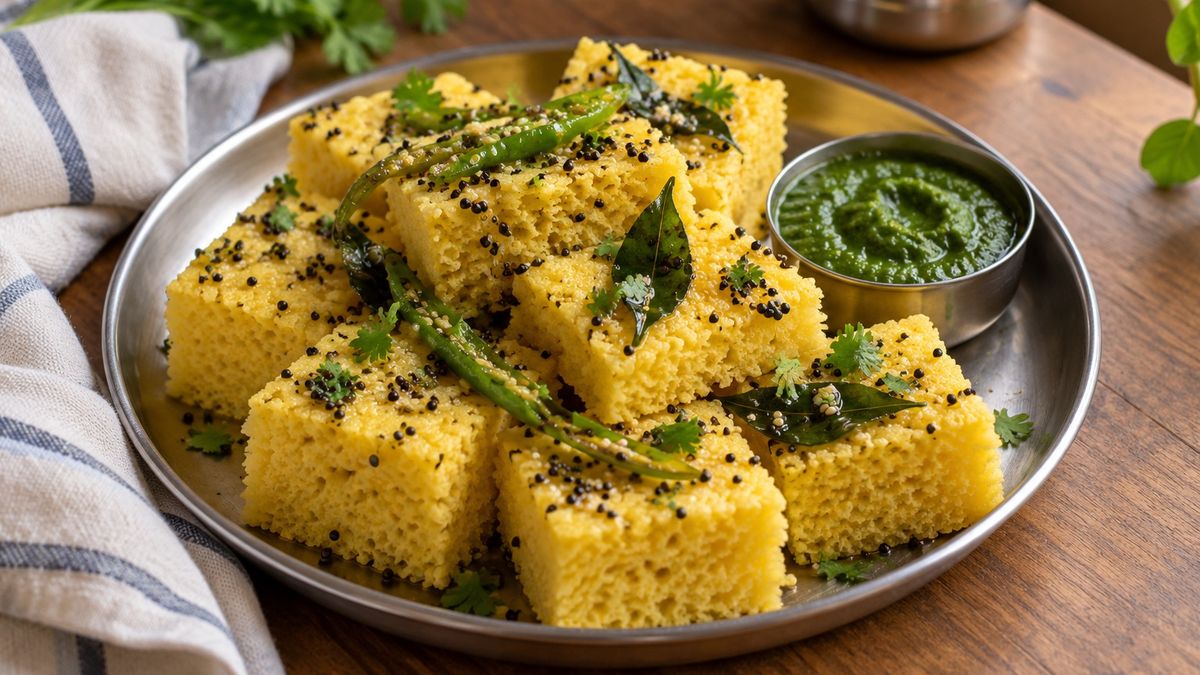 DhoklaSteamed8 to 10 hours of fermenting, then barely stir the batter
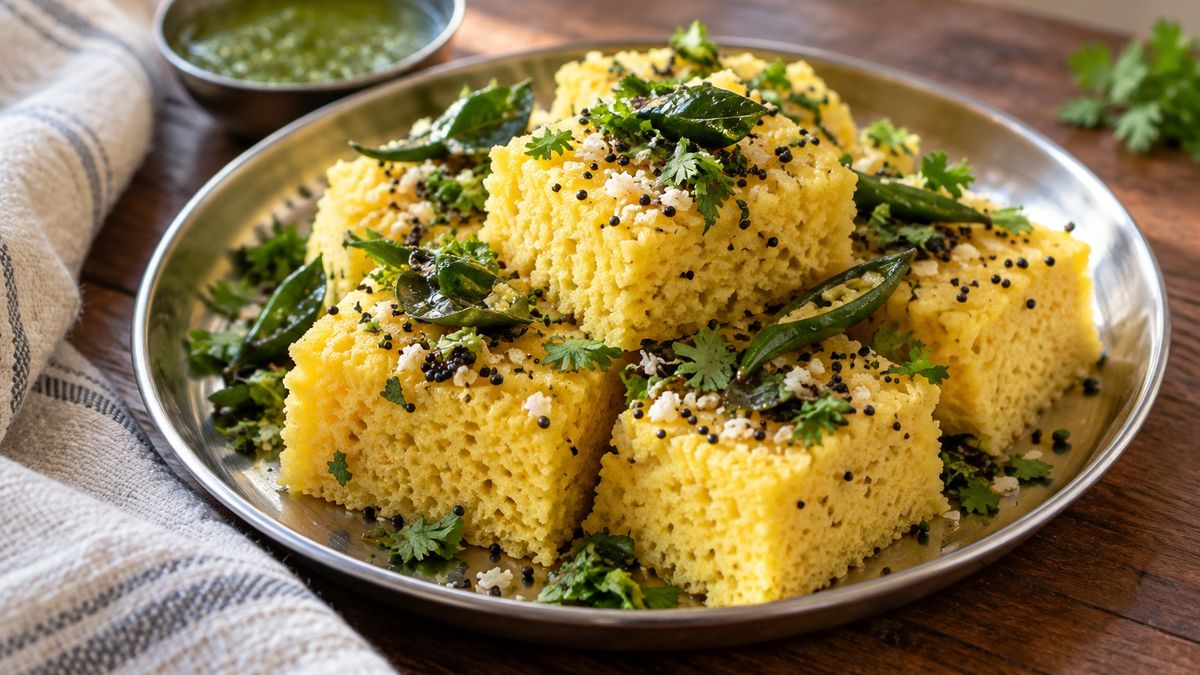 KhamanSteamedAfter the Eno, stir one way for 5-7 seconds and steam
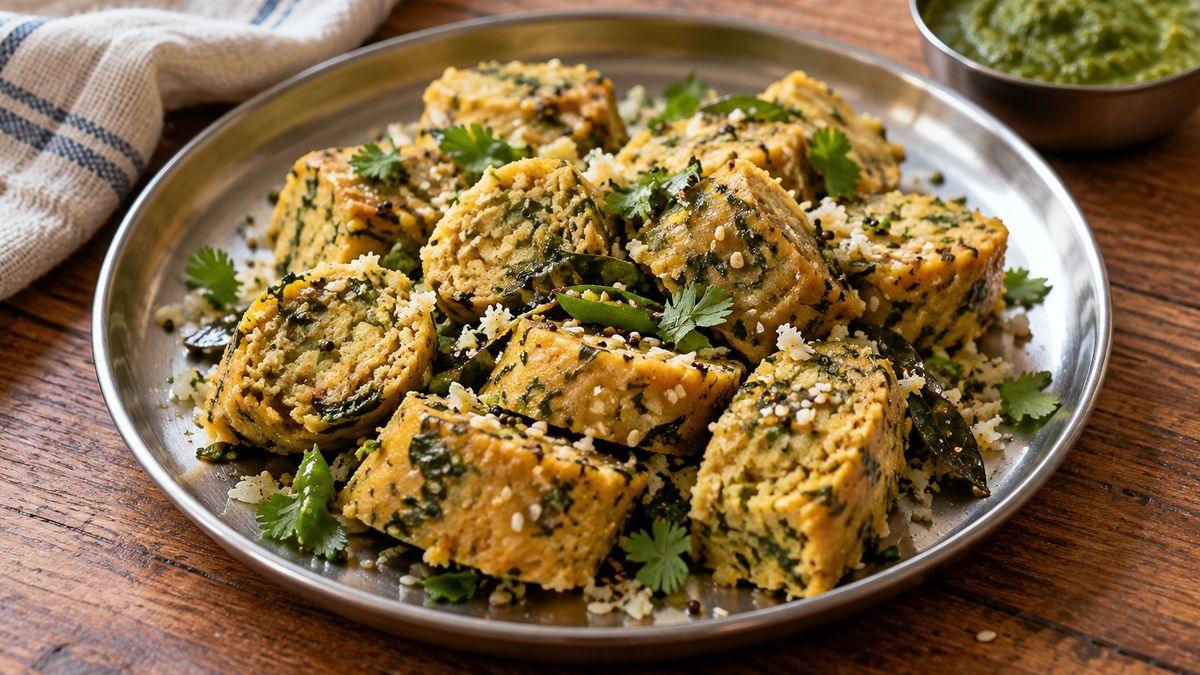 MuthiyaSteamedGrated bottle gourd gives the dough all the water it needs
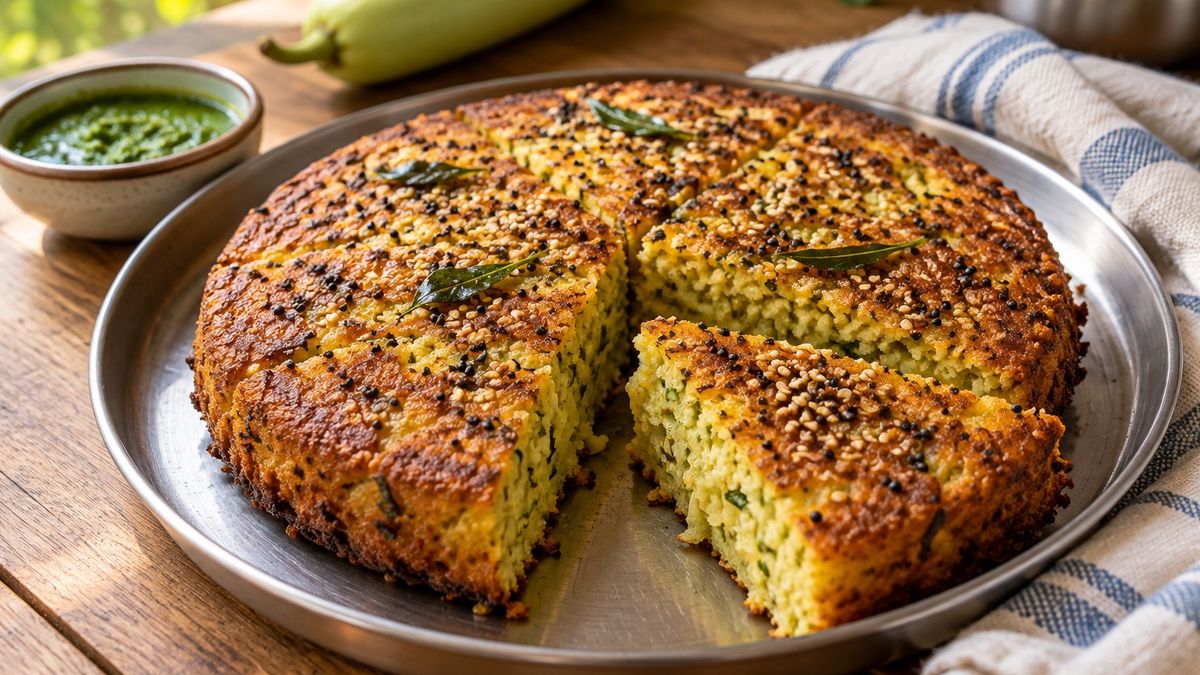 HandvoBakedNo tava needed — it bakes at 180°C in 35-40 minutes
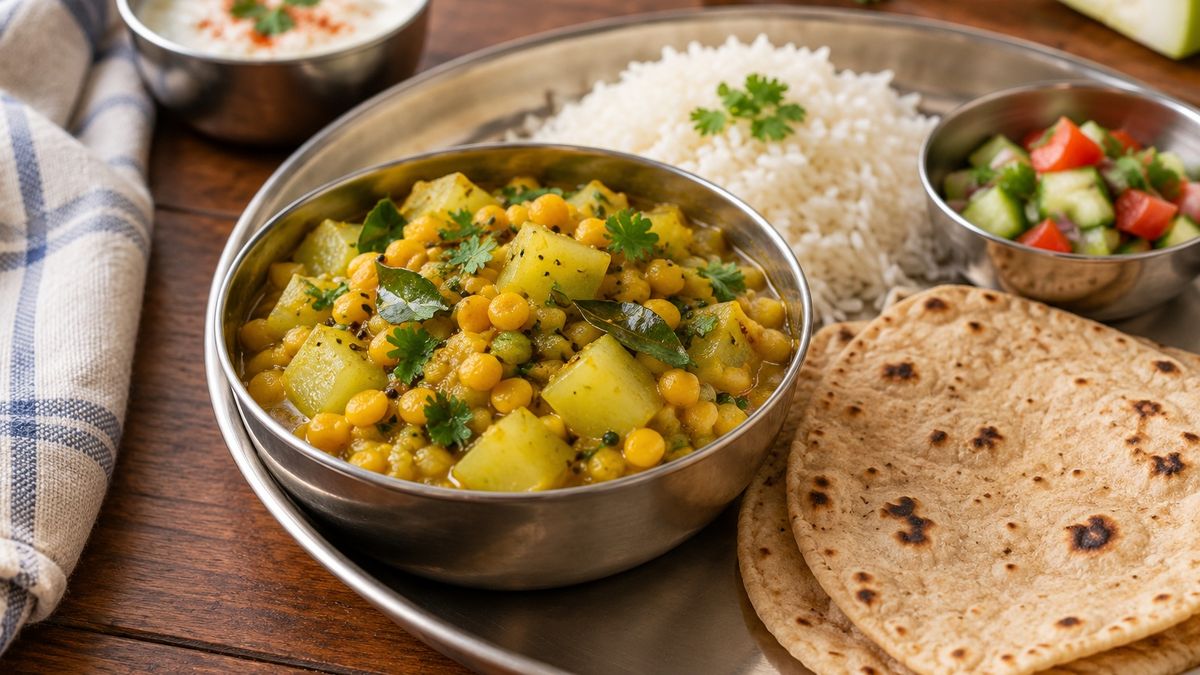 Dudhi Chana nu ShaakLightTaste a sliver of the dudhi first — a bitter one ruins it
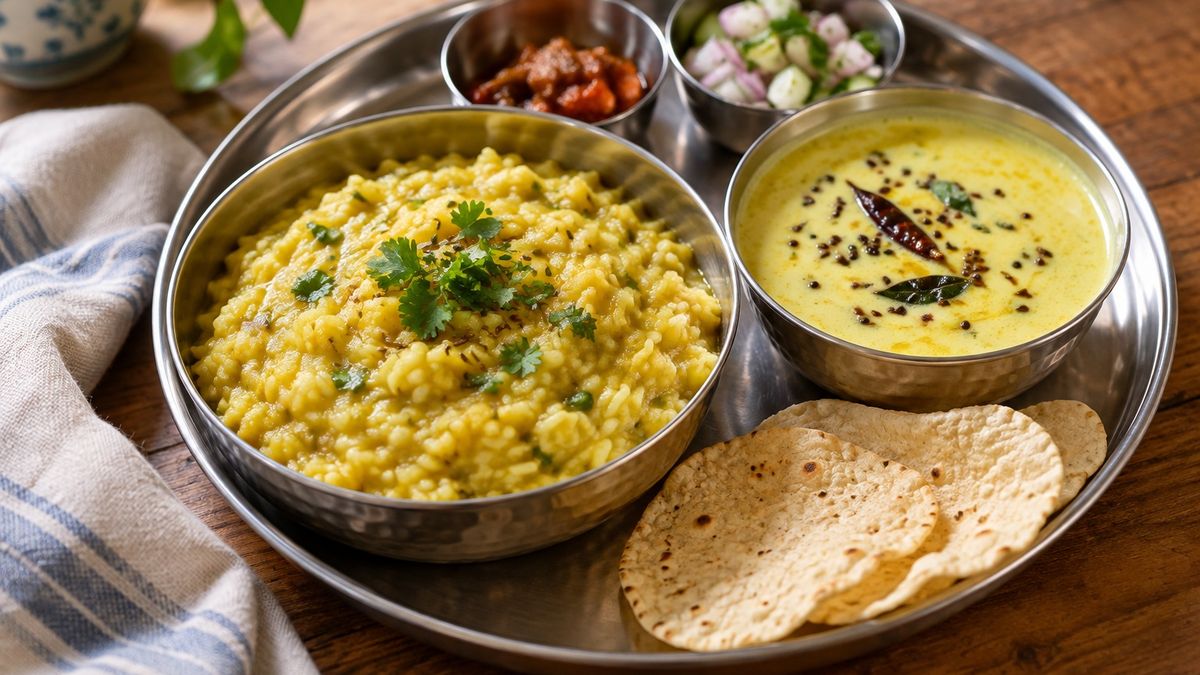 Khichdi KadhiLightStir the kadhi until it boils or the yoghurt splits
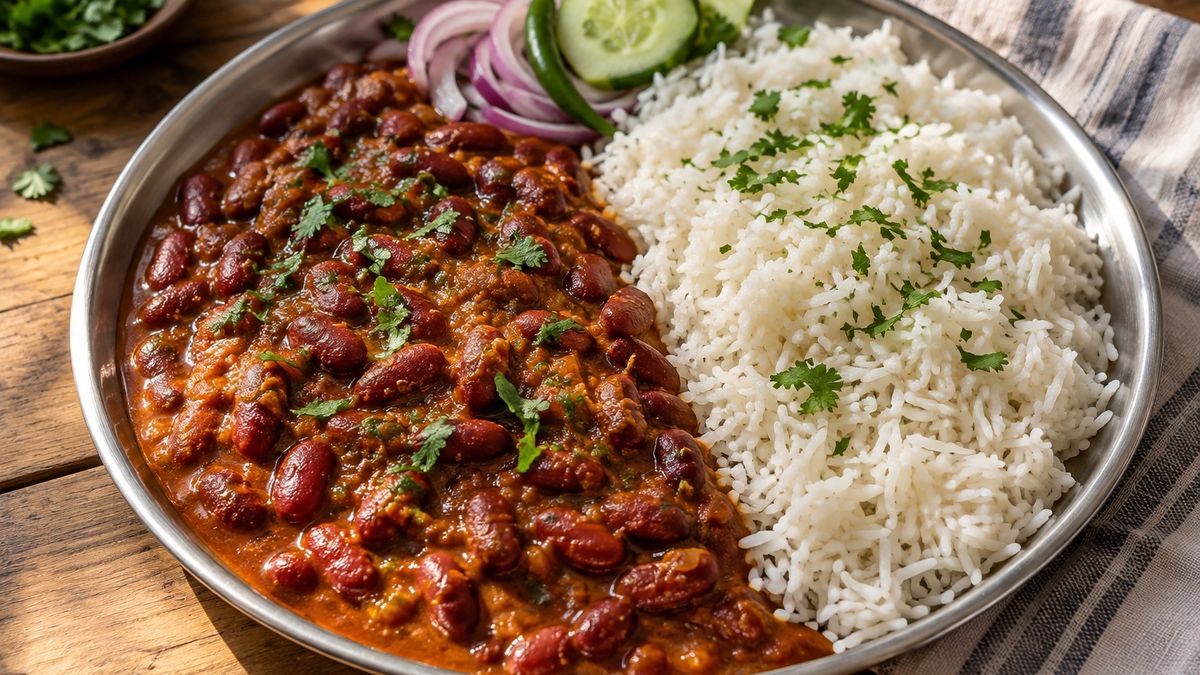 Rajma ChavalLightA few beans mashed into the pot is what thickens it
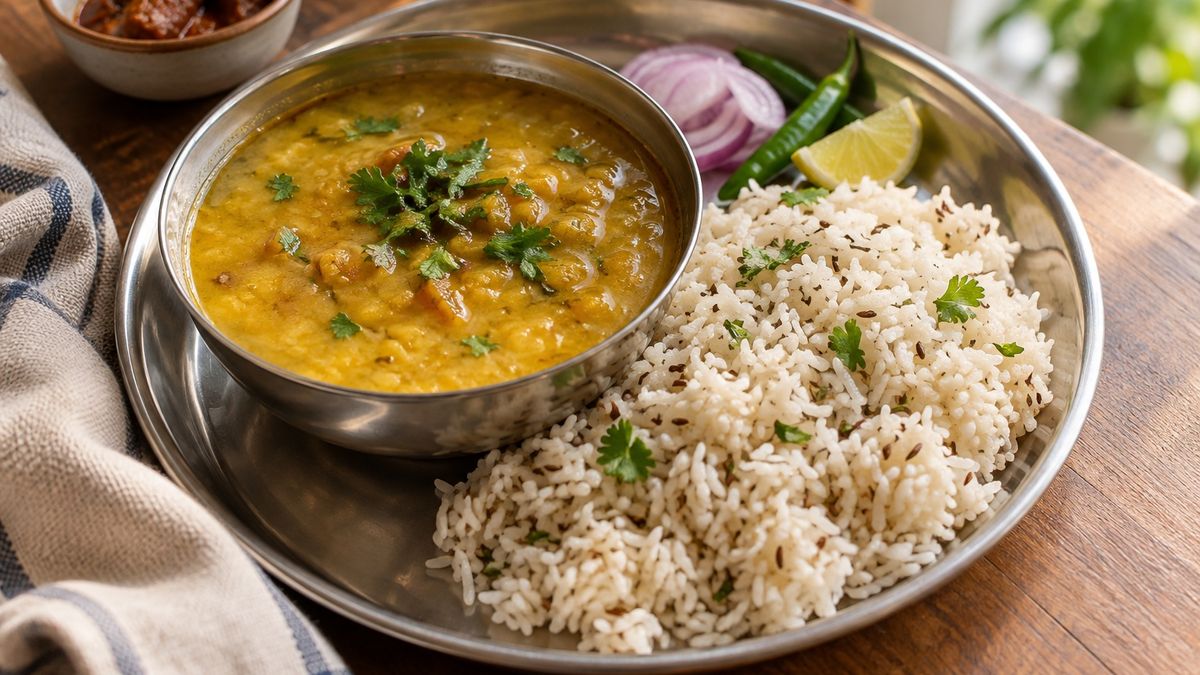 Tuvar Dal & Jeera RiceLightWhisk the boiled dal smooth — that is the silky dal
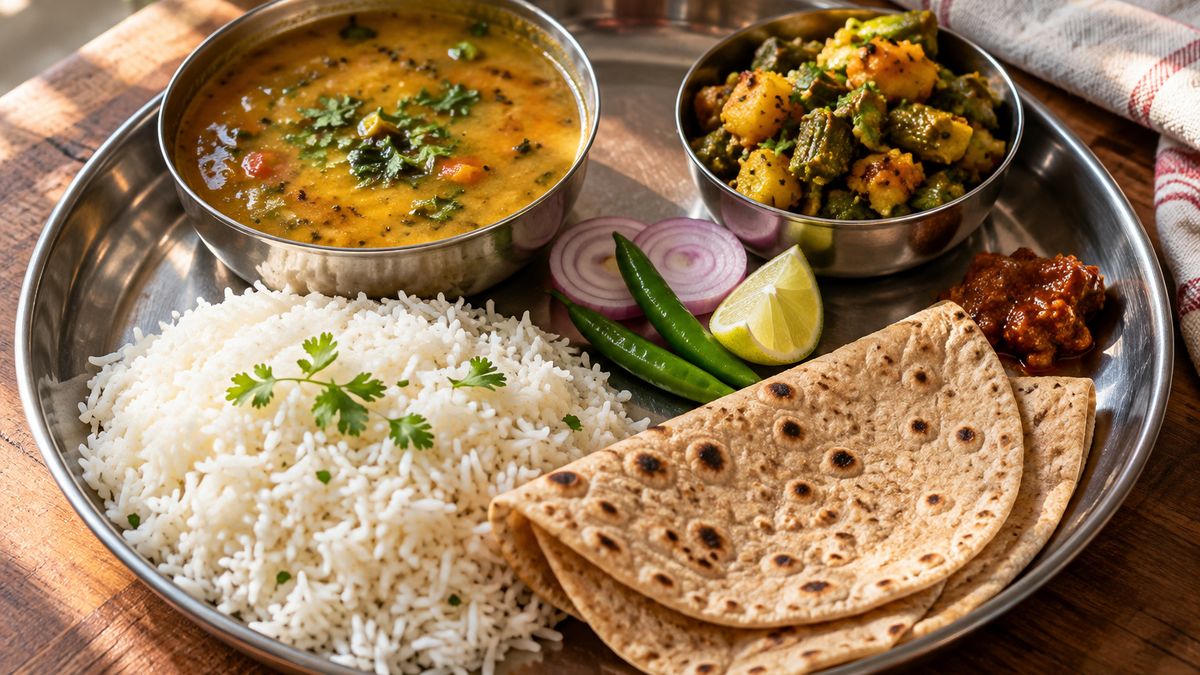 Dal Bhaat Rotli ShaakLightJaggery and tamarind, tasted and adjusted right at the end
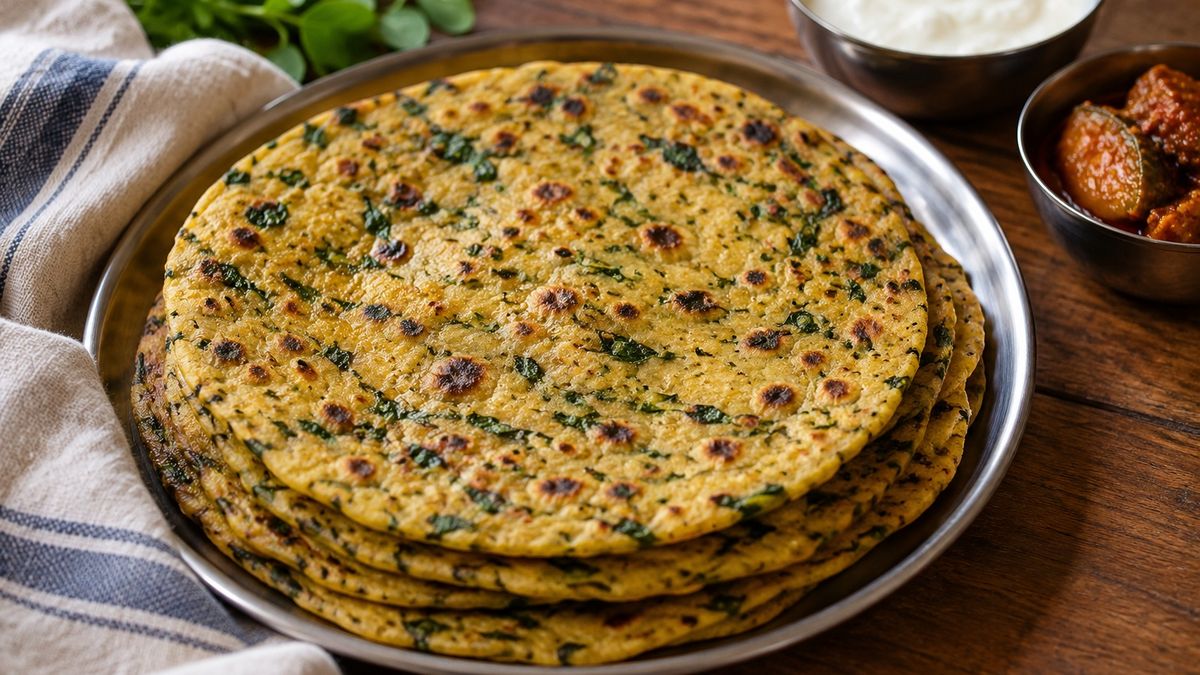 Methi TheplaLightA quarter cup of yoghurt in the dough keeps them soft for days
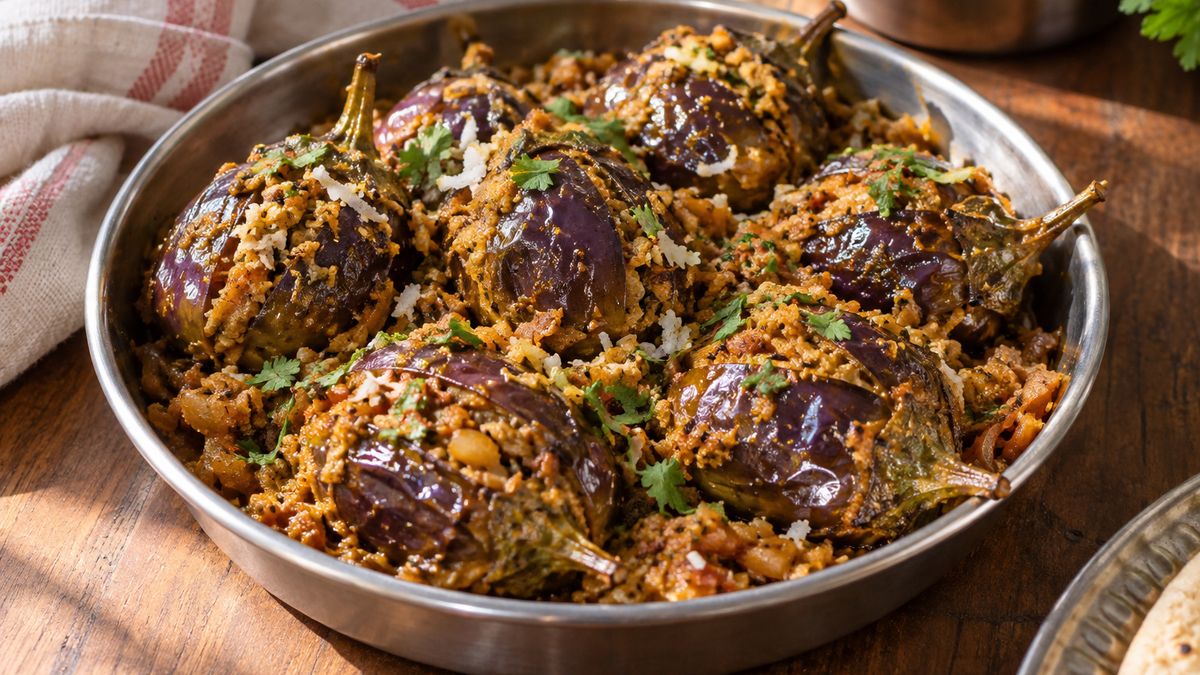 Bharela RinganLightRoast the gram flour first or the stuffing tastes raw
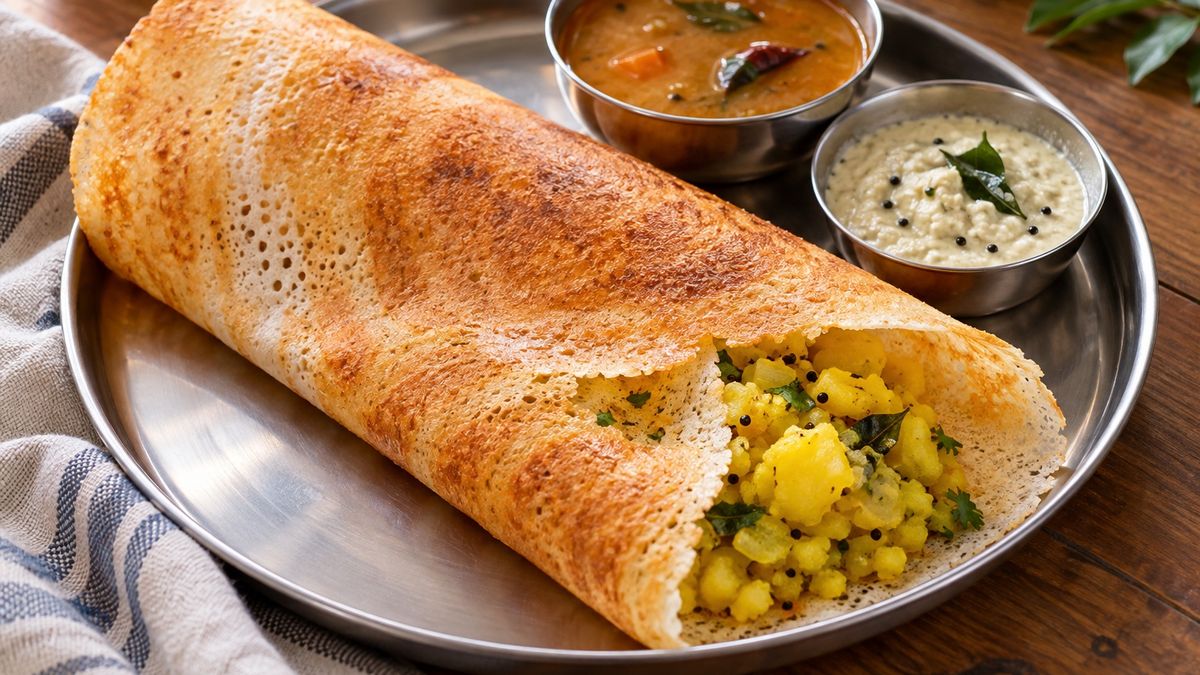 Masala DosaLightSplash water on the hot tawa and wipe it before each dosa
Small changes that keep a thali from sitting heavy
- Keep dal or a pulse on the thali. Moong, tuvar, chana and rajma are what a Gujarati thali is built around, and they make a meal filling without anything going into hot oil.
- Serve chaas alongside. A glass of buttermilk is the usual accompaniment to a Gujarati meal, and it cuts through a thali that has had a generous hand with the ghee.
- Steam instead of frying. Khaman, dhokla, idada and muthiya are all steamed — the only oil in them is the vaghar poured over the top at the end.
- Go lighter on the vaghar. The tempering is where most of the oil in a Gujarati dish actually goes. A teaspoon less there changes the dish more than anything else you can do.
- Mix the flours for rotli. Bajri, juvar or besan worked in with the wheat changes both the taste and the way the rotli rolls.
- More dal, less rice. The same thali, with the proportions shifted.
This page used to print a protein and calorie figure for each dish. Nobody had measured them and nothing here could have produced them, so they have been taken off. The dishes are grouped by how they are cooked instead, which is something you can check for yourself.